
They say that January is a time of new beginnings, but it’s really the spring – proper spring, when the wind blows warmly from the south and freshly-minted leaves deck the hedgerows – when us humans begin shaking off the household dust of hibernation and searching for new challenges. If you’re feeling the call of the unexpected this month, read on for alternative ways to get a mountain fix and scroll to the bottom for our bumper list of 40 new outdoor skills you could try today!
Gill scrambling
What is it?
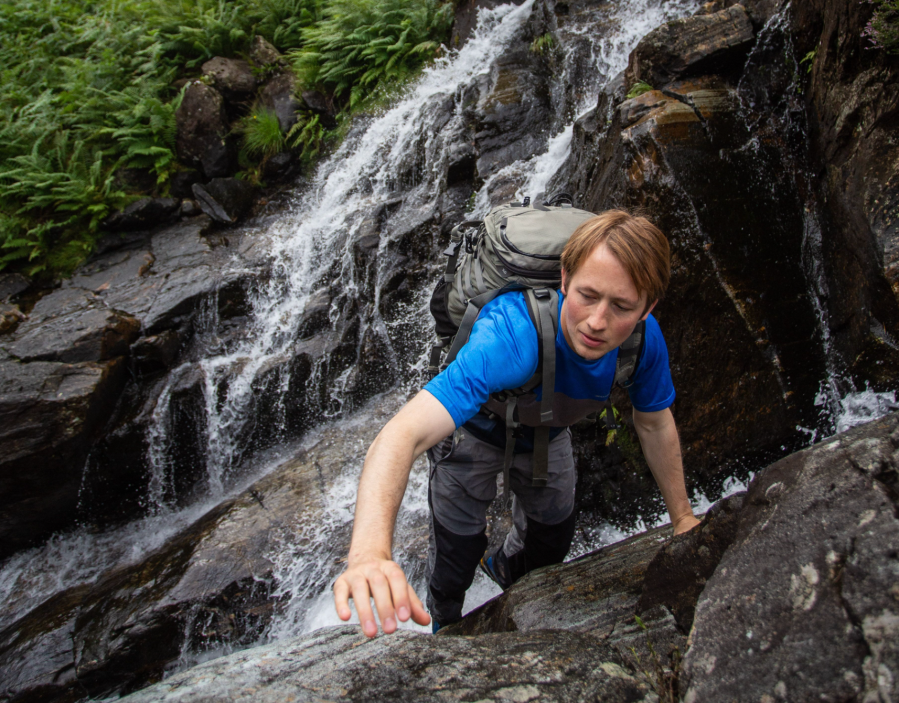
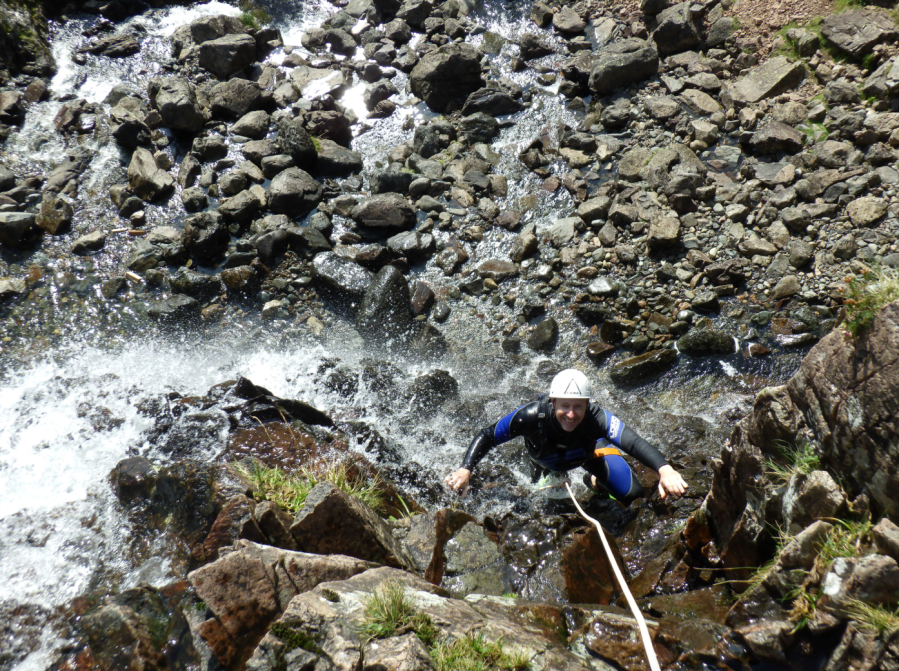
Lakes-based guide Mark Eddy describes ghyll scrambling as “a fun way of getting up into the mountains whilst staying away from the crowds.” He explains: “A gill is a rocky ravine, sometimes with steep sides – this allows us to get hands on rock and clamber upwards rather than sticking to the walkers’ path.” Why try it? “Every trip into a gill will be an adventure,” says Mark. “Gills are home to many plants, including some rare ones. These are always a privilege to see close up, but we must keep in mind not to disturb any of them – simply enjoy their beauty.”
Getting started
According to Mark, you can take either a ‘wet’ or a ‘dry’ approach to gill scrambling. “Dry (hopefully!) scrambling is the traditional form of gill scrambling; and for many a hill walker and mountaineer, it’s the absolute best way to get up into the high mountains with minimal effort and maximum fun. The aim is to use as much rock as possible to scramble along the sides of the watercourse. All the while trying to remain dry, and yes that includes footwear.” His top tip for dealing with slippery rocks is to put your socks on top of your boots to add grip. Wet gill scrambling is a different proposition. It’s something that many people sample for the first time under the aegis of a guide; “but there is no requirement to use a commercial outlet, so don’t feel that this is necessary,” says Mark. “Just go with a little more preparedness, and a sense of adventure.”
Mark Eddy offers guiding through mountain-journeys.co.uk
Orienteering
What is it?
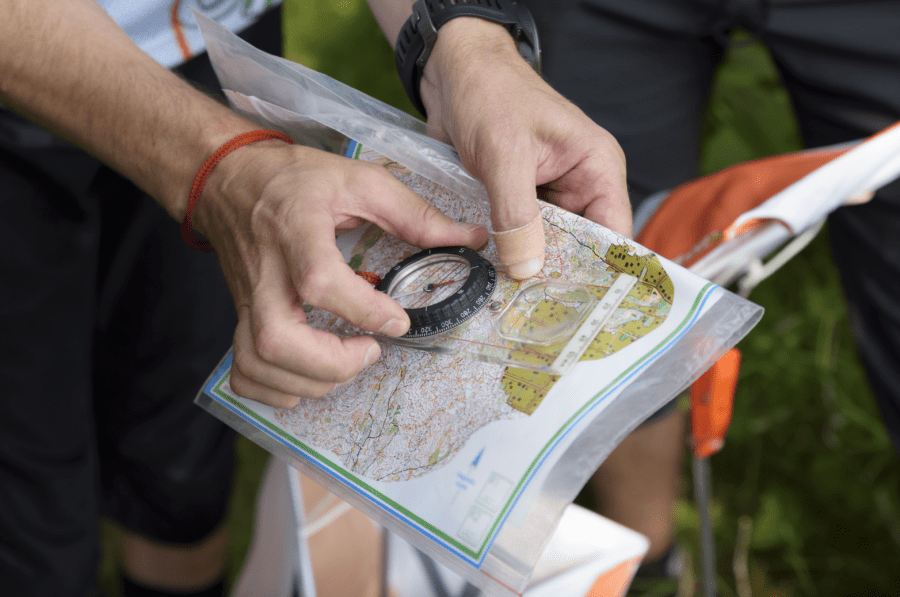
“Orienteering combines running and land navigation,” says Will Heap, member of Southdowns Orienteers (www.southdowns-orienteers.org.uk). “We’re running through the landscape as fast as we can trying to find controls that are put out. It’s great for all abilities and ages – some people do it with walking sticks and at the top end there are elite runners representing the sport at national level.” Why try it? “There’s been a massive surge in adventure racing and expensive challenges, but what really appeals to me about orienteering is that it’s a really cheap sport,” says Will. “You can get club membership from about £30 and then it costs maybe £5 to go to an event. You’re usually navigating your way from one point to another in a forest with many different ways you can go – and, as far as I’m concerned, it’s much more gnarly running through woods full of bracken and jumping streams than going over obstacles on a pre-determined course!”
Getting started
All you need is a pair of shoes that you don’t mind getting a little bit muddy,” explains Kate Turner, Will’s partner. “When you join a club and go to an event, the club can provide you with the only other piece of equipment you need, which is a dibber [a timing chip used to record your visits to each checkpoint on a course]. There’s always someone at a club who will be able to help you, even show you how to read a map if needed. It’s very sociable and there’s a real community of orienteers – we travel all over Europe doing it.” Will adds: “If you don’t want to go to an event and race against other people there are also permanent orienteering courses (POCs) dotted around the country. They are just there for anybody to explore and use – just print the map and turn up. There are virtual orienteering challenges as well, which you can download onto your phone and when you get to a ‘control’ your phone will beep.”
Barefoot hillwalking
What is it?
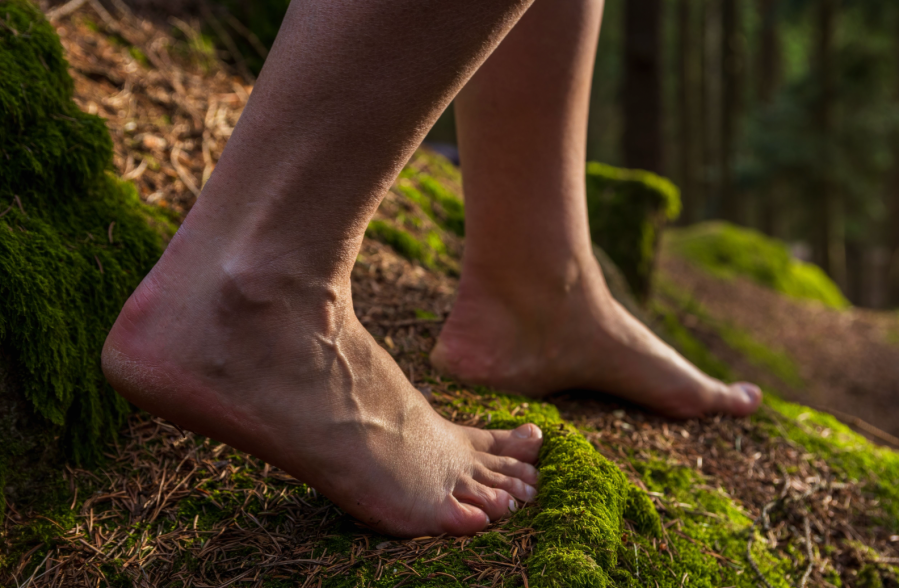
“Truly barefoot means skin-to-earth contact, maximum sensory feedback, zero barrier,” says Galahad Clark, CEO at Vivobarefoot. Barefoot shoes, he adds, can be used as a practical and safer bridge when walking in rocky terrain, but it is possible to go skin-to-earth with gradual adaptation and experience. “The skin toughens and technique improves.” Why try it? “We’ve spent millions of years evolving to move barefoot,” explains Galahad. “Modern shoes are a very recent invention, and in cushioning and restricting the foot, we’ve inadvertently reduced its natural strength and sensory intelligence.” Going barefoot, he says, can improve balance and strengthen the foot muscles. “Psychologically, there’s something even more powerful. Direct contact with nature — what some call ‘grounding’ — has been linked to reductions in stress and improved mood.”
Getting started
“Start small,” Galahad advises. “The biggest mistake people make is doing too much too soon. Begin on forgiving terrain: grass, sand, forest paths. Keep sessions short, 20-30 minutes at first. Focus on landing lightly, under your centre of mass. And allow time for adaptation – your foot muscles will wake up. Studies suggest it can take 8–12 weeks for meaningful muscular adaptation.” The Barefoot Fundamentals course at vivobarefoot.com offer a more in-depth introduction.
Peak bagging
What is it?
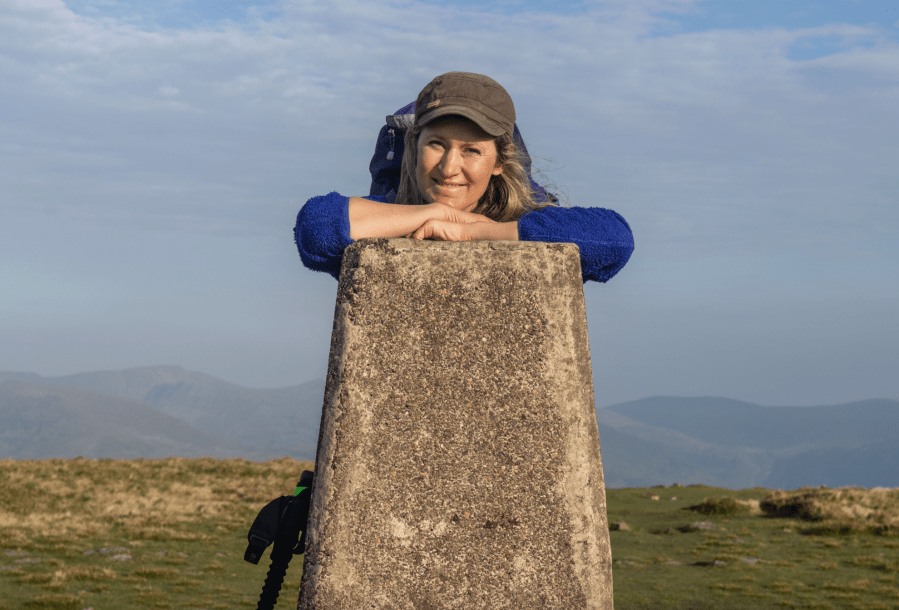
The practice of ticking off lists of summits such as Munros, Wainwrights or Grahams. In the word of committed bagger James Forrest: “Peak bagging is a strange subculture; an underground world that seems to simultaneously bemuse, fascinate, amuse and inspire others.” Why try it? James says: “My stance is that peak-bagging is a double-edged sword. The positives are that it gives you purpose, an overarching mission to bring structure and meaning to your hillwalking; it encourages you to explore new places and have new experiences; and it offers a wonderful sense of achievement when you reach a milestone, or indeed the finish. But the negatives are that you can easily become a slave to the list, an unhinged fanatic slogging up a boring mountain in a loveless box-ticking exercise. It is a fine line between intrepid mountain-lover and deranged oddball.”
Getting started
“Don’t get fixated on one particular list,” advises Anne Butler, one of Scotland’s most prolific peak baggers. “Just because someone you know has done the Munros in 6 months, that doesn’t have to be your goal. You have to pick something you can do. If you can only walk one weekend a month, you’re not going to do a record Munro round. One thing I’ve learned is that planning is important, and that if you’re intent on finishing a round then you shouldn’t do all of the ones nearest to home first and leave the hard ones to the end. You’ll think you’ve only got 20 hills left – then realise you’ve got 3,000 miles of driving to do and all the overnight bothy ones!”
Foraging
What is it?
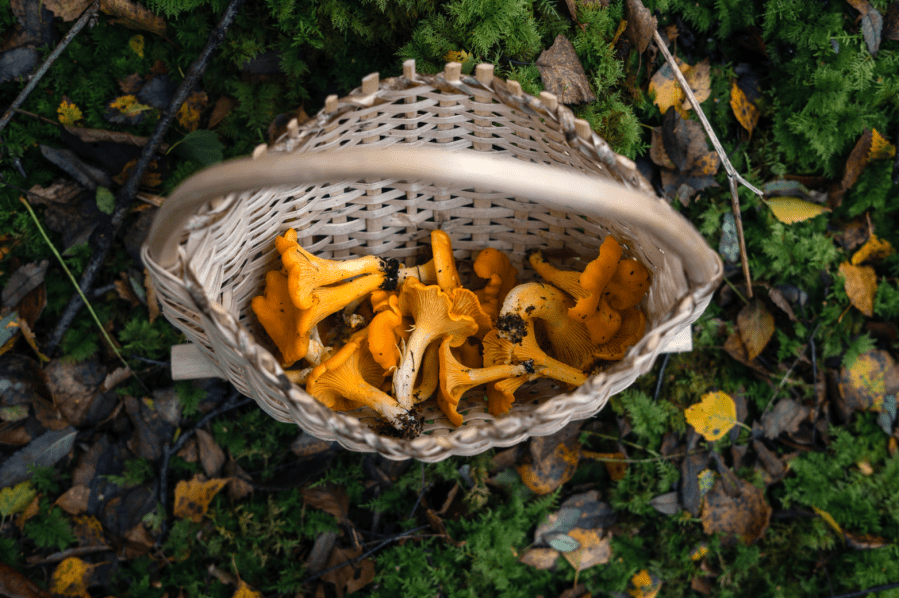
Mushrooming, distilling rare botanicals, even munching blackberries straight from the hedgerow – foraging is the act of sourcing food directly from nature. Why try it? Emma Groves at Miscellaneous Adventures says the greatest benefit of foraging is that it strengthens your connection to nature. “When out foraging, you need to know what plants to look for, where to find them and understand their seasonality. This forces you to slow down, to pay more attention to your surroundings, and to notice. Foraging adds a whole new dimension to hiking and hillwalking; places that were once familiar can hold new treasures once you start looking.”
Getting started
We’d definitely recommend going on a course and learning from an expert – you’ll come away with lots of new plant knowledge that you can put to use on your next adventure,” says Emma. “Making wild teas from common edible plants such as yarrow, nettles and plantain is a good way to introduce foraging into your hikes – simply gather a few leaves and steep in hot water for a few minutes for a delicious brew. Knowledge is key however, so only forage things when you can be 100% sure they are edible. We recommend field guides and books over apps as a way of learning plant ID skills. It’s also very important to forage responsibly, taking only what you need, leaving a light footprint on the land and avoiding sensitive habitats.”
- Follow Miscellaneous Adventures on Instagram @misc_adventures or subscribe to their Substack at miscellaneousadventures.substack.com.
These new outdoor skill ideas not doing it for you? Why not try….
- Bog snorkelling
- Hang-gliding
- Packrafting
- A hanging bivvy
- Scrambling circuits
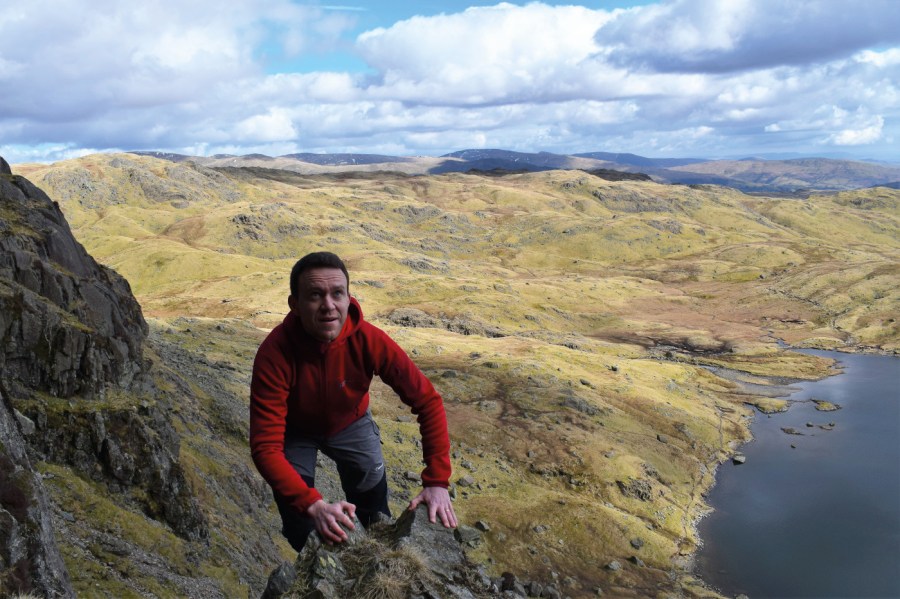
- Sport climbing
- Via ferrata
- Slacklining
- Fastpacking
- Mountain yoga
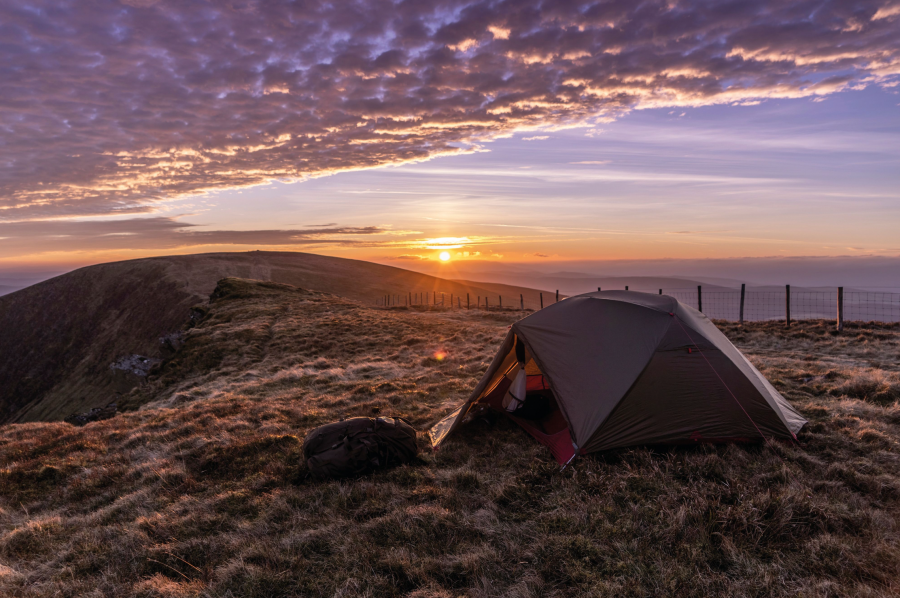
- Outdoor sketch journalling
- Thru-hiking
- Hammocking
- Survival challenges
- Wildlife tracking
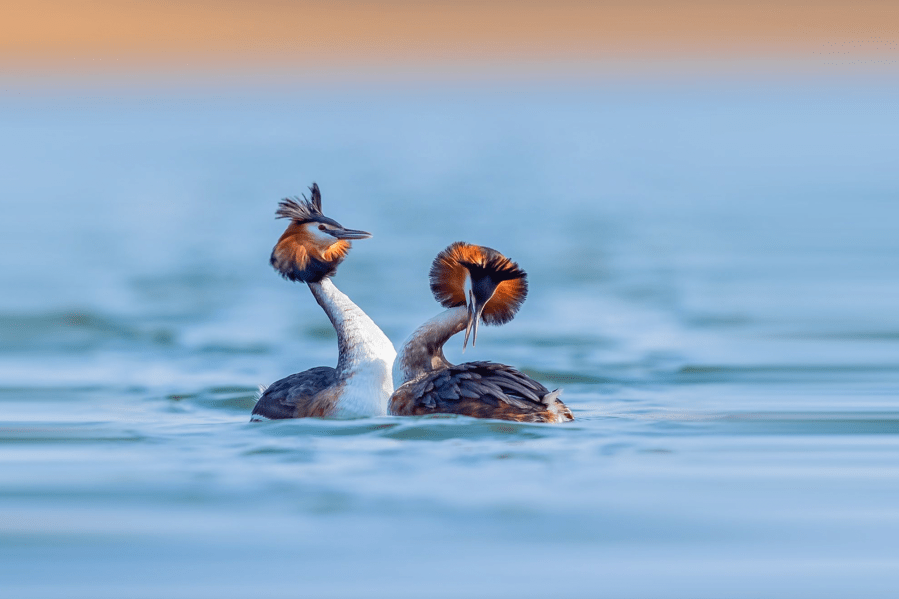
- Forest bathing
- Summit stargazing
- Storm chasing
- Hut-to-hut
- Inversion-chasing

- Geology exploration
- Lake hopping
- Birdwatching
- Landscape painting
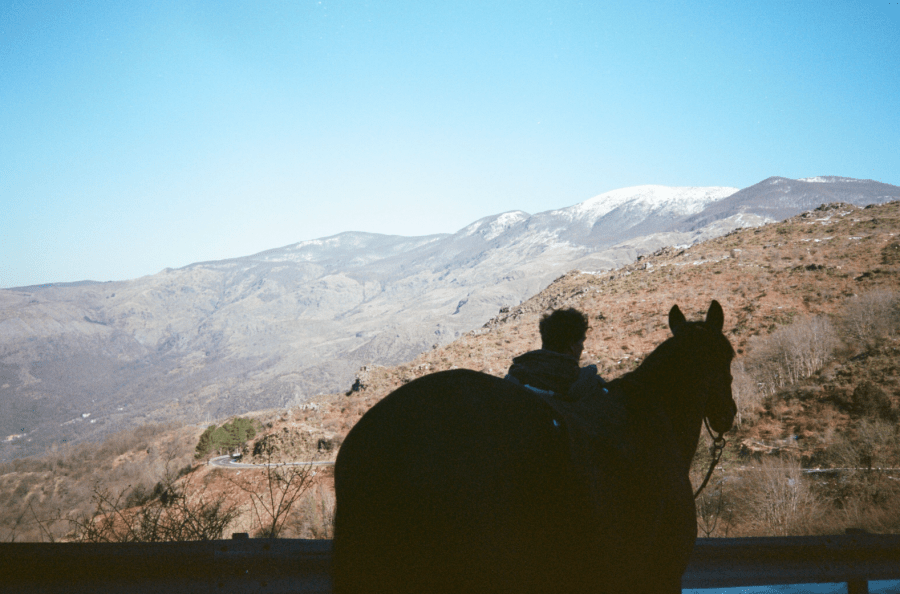
- Horse trekking
- Alpine photography
- Trail journalling
- Ridge kite flying
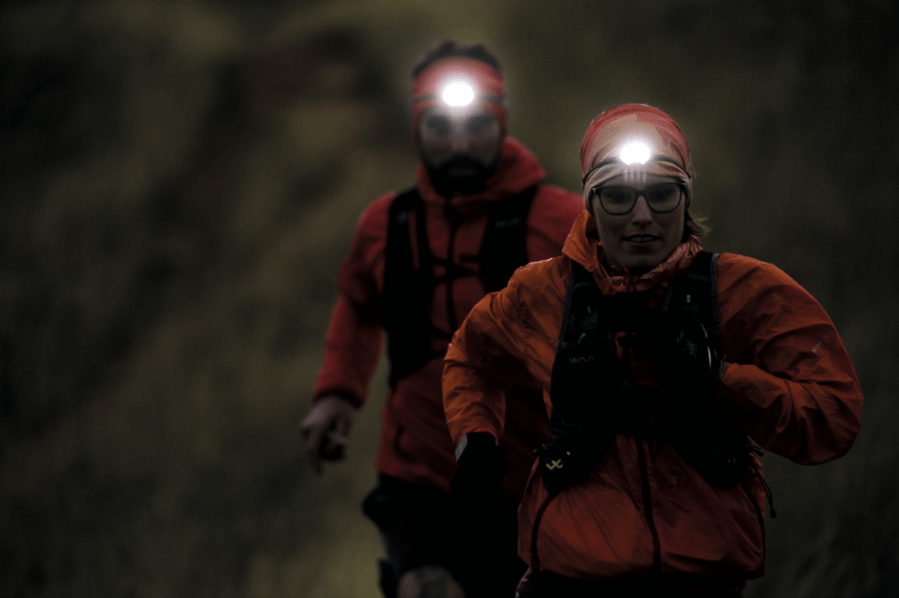
- Night hiking
- Whitewater kayaking
- Downhill mountain biking
- Fossil hunting
- Mountain botany
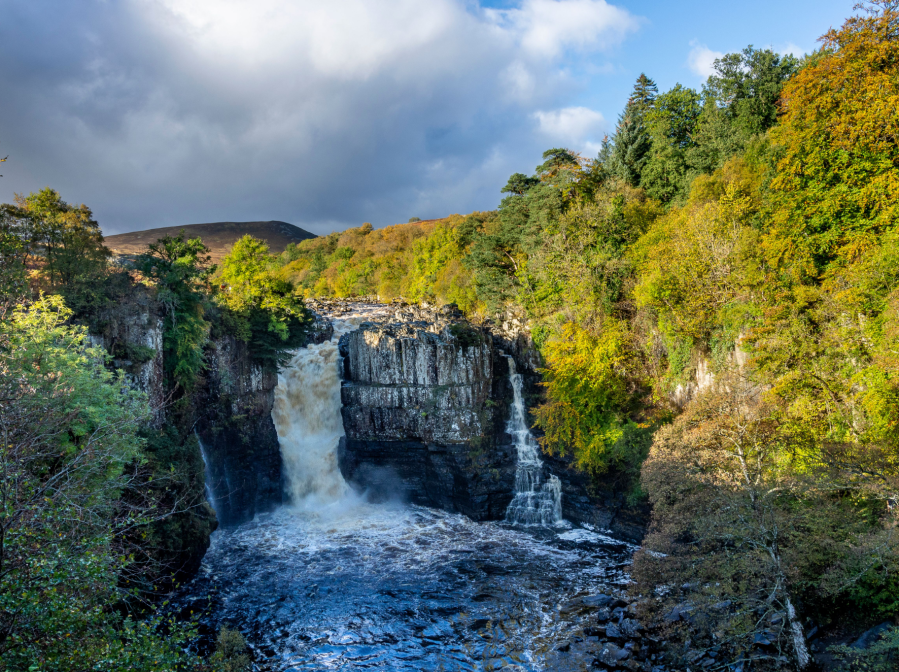
- Waterfall chasing
- Tarn swimming
- Geocaching
- Mountain unicycling