
“We made it to the top in the mist. The wind was colder than expected. Our break was short because there was no shelter, so we soon agreed to head down. The summit area was all quite worn, with lots of paths leading in different directions. When we started, we all headed away from the cairn in different directions. Each of us thought we were going the right way. I checked my phone, and it told me where I was but not which way to go. After three tries, we found the right route. It was steeper than the way up and I was tired. I slipped and cut my hand. Our first aid kit had obviously got wet at some point, because everything was mouldy and stuck together. It was too much effort to find and get my spare warm layer on whilst digging for plasters, so by the time my hand was fixed I was really cold and wet – my hoody was soaked! I was probably rushing to warm up, because I slipped again. I felt something go in my ankle and couldn’t walk any more. We only had one bar of signal, so my friend had to leave to call Mountain Rescue. Then it took them quite a while to find me, as we weren’t exactly sure where we were. I wanted to use my head torch, but I hadn’t remembered to recharge it and the battery on my phone ran out too soon. I was really glad when they found me and helped us down the rest of the way.”
This is an amalgamation of personal experiences and a not unlikely scenario. Let’s have a look at some simple things that might have made the day better – even if some parts of it had still gone wrong.
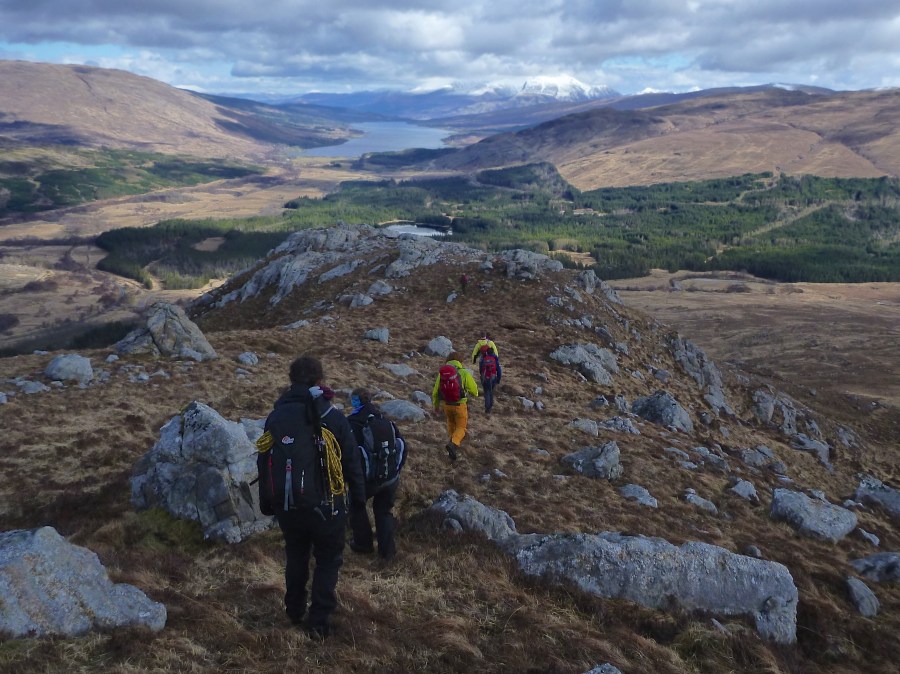
Hiking preparation 101
Plan the whole day. Use a process like Adventure Smart (adventuresmart.uk). Ask yourself:
- Do I have the right knowledge and skills: navigation, fitness, ability on steep ground, knowledge of emergency procedures?
- Do I know what the weather forecast is and how that will affect us, especially up on the tops?
- Do I have the right kit both for a day that goes as planned and one that doesn’t?
Make sure you picture every stage of the day, including the way down. Will there be a headwind or tailwind? Is the wind constant or changing – and how about when rain is due? When do you want to be on the steeper, slippery ground relative to the weather and how tired you will feel?
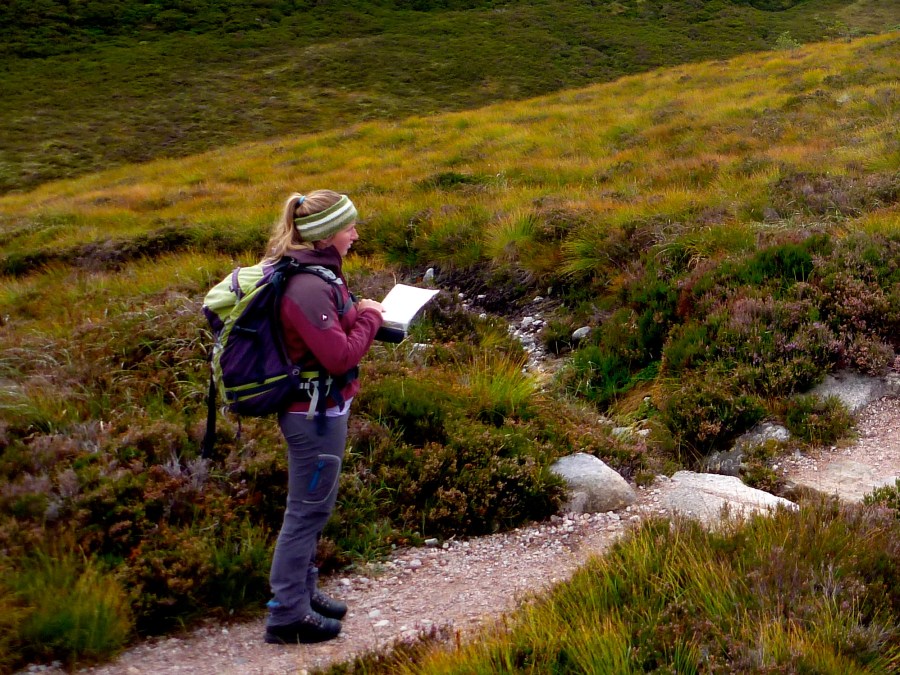
Navigation
Anyone who dismisses electronic navigation aids out of hand is missing a trick. But how we use them is important. Apps are great for showing you where you are, but they often only make a small area clear and they are less good at indicating which way you should go. You also still need to ‘read’ the map to know what the terrain will be like. My own experience is that direction is sometimes easier to establish with a map and compass; and that learning to understand maps is a skill often best acquired with paper maps. Paper maps don’t need to be downloaded and they don’t run out of battery – just don’t let them blow away or get too soggy!
Many apps will give you a grid reference to let you share your location with emergency services if needed. You can use What3Words if you must (watch out for plurals, accents and similar words) but there’s a reason many Mountain Rescue teams would rather have a grid reference.
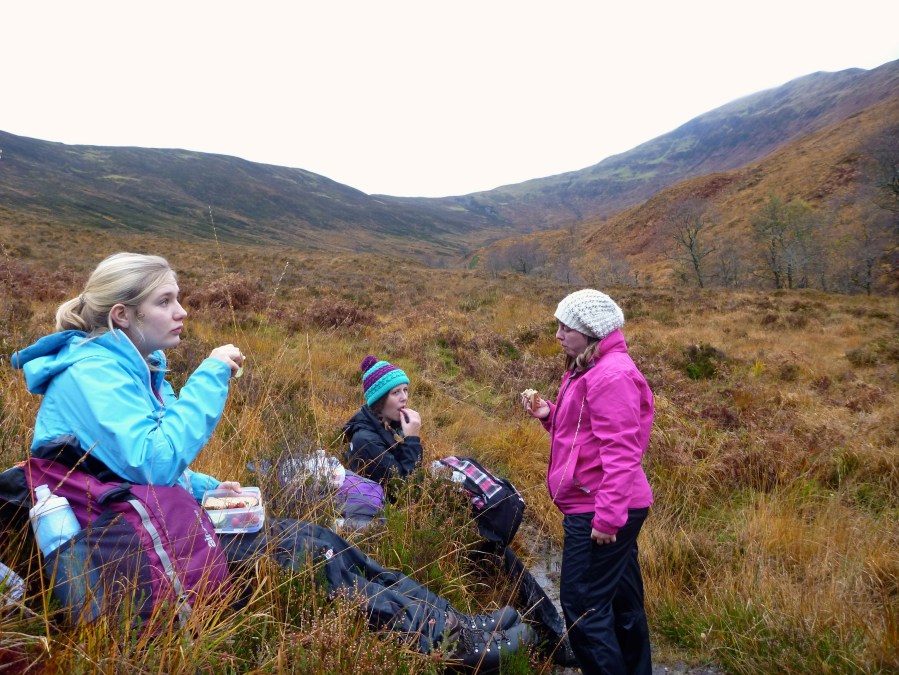
Clothing and Equipment
‘Cotton kills’ sounds a bit alarmist – but it does absorb and hold water. It won’t dry on the hill and can lead to you getting and staying very cold. Even cheap outdoor-specific clothing that carries moisture away from the skin and doesn’t hold as much water / retains insulation when wet is better.
Be bothered
‘Short cuts lead to long delays’. That’s true of behaviour as much as journeys. Always be bothered to do things well. If you are feeling the cold or going to stop, add a layer. If you are stopping for a while, do get into shelter. Carry and make use of group shelters or bothy bags. These allow parties to share warmth and morale for breaks and in emergencies. Check, dry and recharge kit after each use so that that it is good to go when you need it. The things you didn’t bother doing at the time are the things that will cost you more time and effort later.
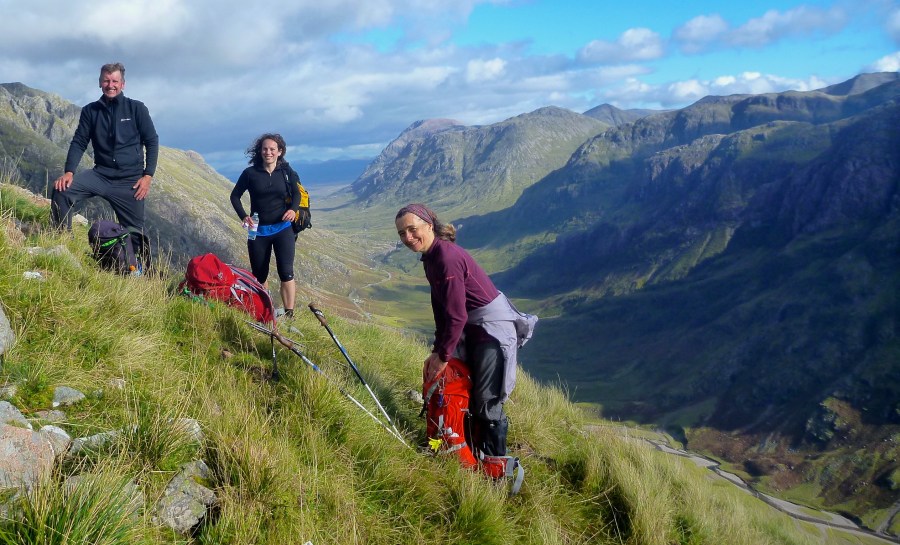
Emergencies: Hiking preparation
Pack your bag for common emergencies, not just days when it all goes right. It’s not uncommon to have to sit on the hill with a casualty. Do you have the clothing and shelter to do this? If have to contact mountain rescue and have a poor signal, are you registered with the Emergency SMS Service (scottishmountainrescue.org/registering-for-999-text-services)?
Now reread the story. Could a few simple things have changed it for the better?