
Chris Townsend gives the Highlander Refuge 1 tent his Best Value award. Find out why.
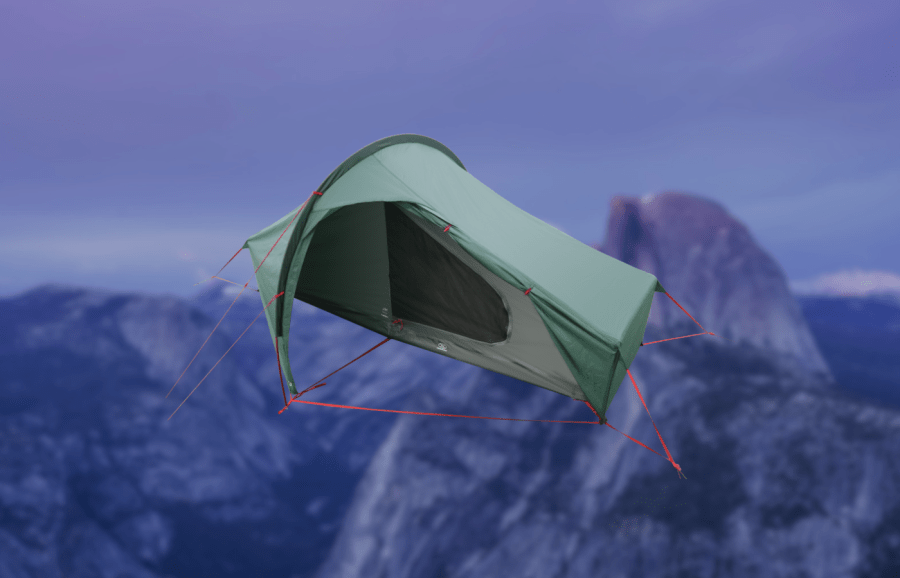
The Highlander Refuge 1 is a solidly built tent that’s great value for money. It’s made from polyester that doesn’t stretch much when wet and the flysheet and groundsheet have good hydrostatic heads.
Chris Townsend’s Best Value
The porch is roomy with space for a pack on one side and for cooking and getting in and out on the other. Storm resistance is excellent.- cost
- tough fabrics
- easy to pitch
- heavy
- minimal ventilation options
| Quick specs |
|---|
| Price: £130 (available from Mountain Warehouse) Weight: 2.09kg Pitching: unit Flysheet: 75D polyester ripstop, 4000mm hydrostatic head, taped seams Inner: breathable polyester Groundsheet: polyester, 5000mm hydrostatic head Poles: aluminium 7001 Pegs: 9 x 18cm aluminium Y-beam Porches: 1 Inner Dimensions: 218cm L x 90/60cm w x 90cm h www.highlander-outdoor.com |
The design is a well-established one for solo tents, a single hoop design with two in situ short poles at each end. It pitches as a unit and can be erected easily in a few minutes. It’s not the roomiest of solo tents and best suited to someone not that big. The inner is only just wide enough at each end at 60cm for a standard 51cm wide mat but it does widen in the middle allowing for some gear to be stored inside. Headroom is okay unless you’re tall or have a very thick mat. The porch is roomy with space for a pack on one side and for cooking and getting in and out on the other. Storm resistance is excellent.
The Highlander Refuge 1 has stood up well to heavy rain and strong winds. It’s not so good with ventilation. The flysheet zip can be opened at the top – there’s a hood covering it here to keep out rain – but there are no other external vents. The flysheet comes right down to the ground all round, which is good in storms but means there’s little airflow under it. The inner tent door is solid but can be unzipped for mesh. The latter does allow some coolness if it gets stuffy inside. The rest of the inner is solid fabric with no vents. In storms the tent gives great protection. On calm nights it’s best to leave the doors open to reduce condensation. The penalty for the low cost is the higher weight – 2kg for a solo tent isn’t the lightest, but it does give good storm protection.
How Chris tested
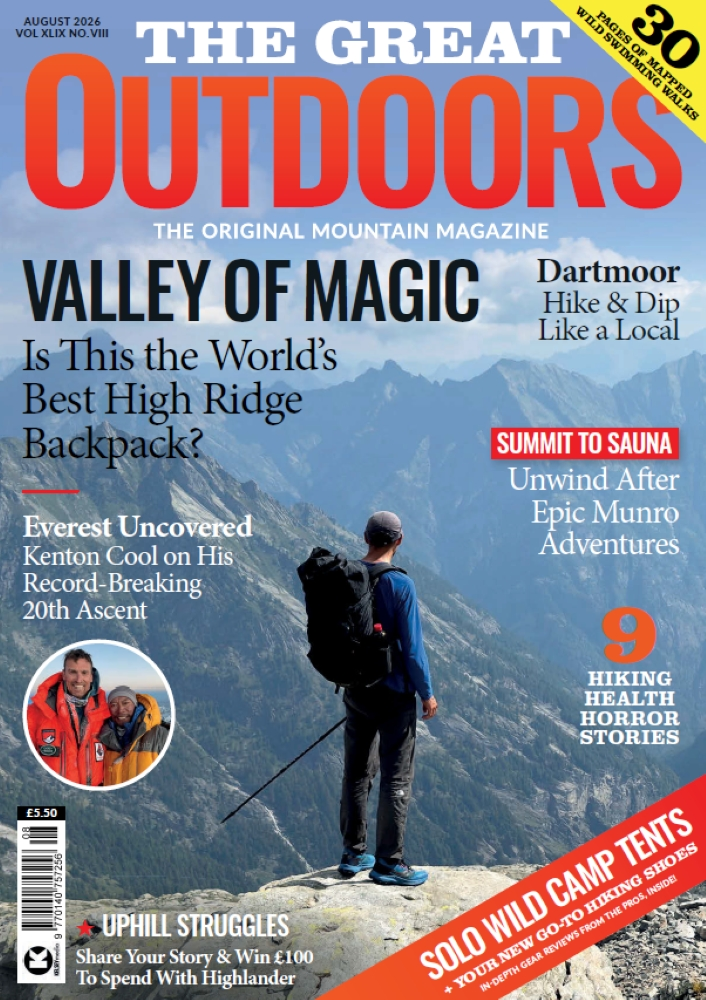
TGO is exceptionally thorough when testing tents in particular and these were used in the Scottish Highlands in all weather conditions – heavy rain, strong winds, frosty nights, snow, humid nights, sunshine – on sites ranging from exposed high mountain to deep forest. All tents were weighed on Chris’ digital scales and the weights are for all components including stuffsacks. This review was first published in the August 2026 issue of The Great Outdoors. You can compare it with other in our guide to the best solo backpacking tents.