
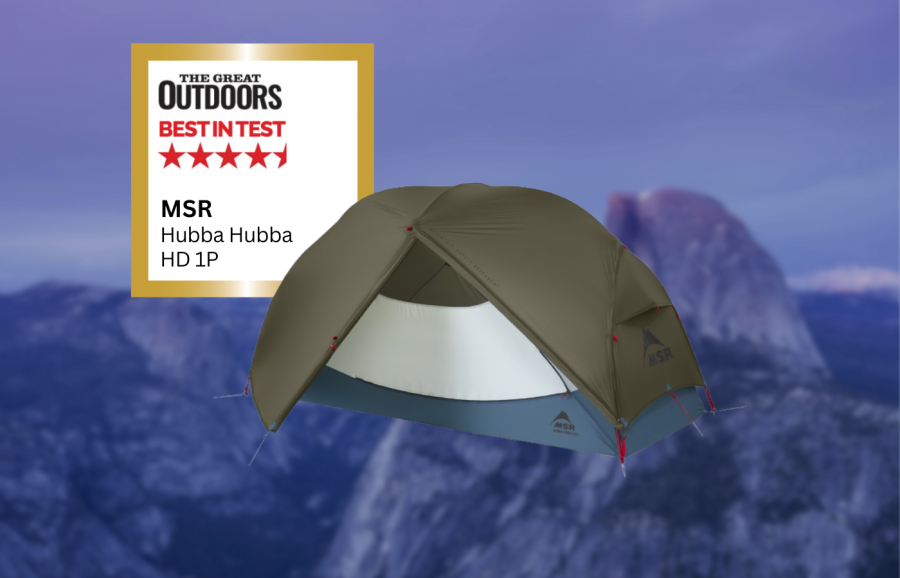
Chris Townsend rates the updates to a classic in this MSR Hubba Hubba HD 1P tent. Find out more.
MSR’s long-established Hubba Hubba tents have major updates this year. There are now two versions, LT (lightweight) and HD (heavy duty). The basic design hasn’t changed but the new tents – including the MSR Hubba Hubba HD 1P I test here – are roomier and lighter than previous versions.
Chris Townsend’s Best in Test
Roomier and lighter than previous versions, the Hubba Hubba HD is best suited to UK conditions.- tough fabrics
- spacious
- good headroom
- large porch
- lightweight
- fiddly if pitching flysheet first
| Quick specs |
|---|
| Price: $519.95 / £550 (available from Ellis Brigham) Weight: 1.37kg Pitching: inner first Flysheet Materials: solution-dyed polyether urethane & PFAS-free silicone 20D ripstop nylon, 3000mm hydrostatic head, taped seams Inner Materials: ripstop nylon, polyester micromesh panels Groundsheet Materials: solution-dyed polyether urethane 30D nylon, 6000mm hydrostatic head Poles: DAC NFL 8.7mm Pegs: 8 x 15cm MSR Mini Groundhog aluminium Y-beam Porches: 1 Inner Dimensions: 224cm l x 81cm w x 99cm www.cascadedesigns.com |
The fabrics are environmentally friendly solution-dyed, which reduces carbon emissions by at least 80%. The HD is the one I think best suited to UK conditions. The 3000mm hydrostatic head of the flysheet is good for long-term waterproofness. The groundsheet is even better with a hefty 6000mm hydrostatic head. No need for a footprint here! The rectangular inner is wider, longer and higher. The extra headroom is particularly welcome when using a thick inflatable mat. The floorspace is big enough for storing items next to your sleeping mat. There are double pockets at each end and one in the top, along with a drying line.
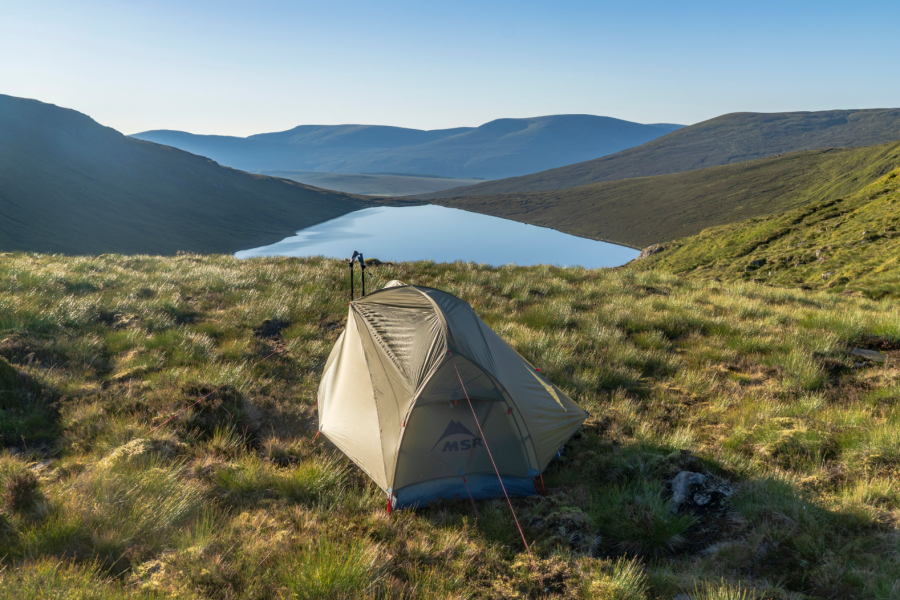
The inner is solid fabric with mesh panels at each end. The flysheet has a large porch along one side and closable vents at each end. It’s designed to pitch inner first which is quick and easy to do with the hub-connected pole. The flysheet is then thrown over the top and clipped into place. The inner will resist light rain but if it’s pouring down it can get soaked. You can pitch the tent flysheet first by attaching the pole ends to the metal corner loops. The inner can then be attached, starting at one end. It is fiddlier than inner first pitching but it does keep the inner dry. The vents work well when there’s a breeze. Condensation does form on calm humid nights but I haven’t had any dampness in the inner tent. The high groundsheet walls have prevented any rain getting in under the flysheet, which doesn’t come down to the ground. The tent is quite stable in strong winds.
How Chris tested
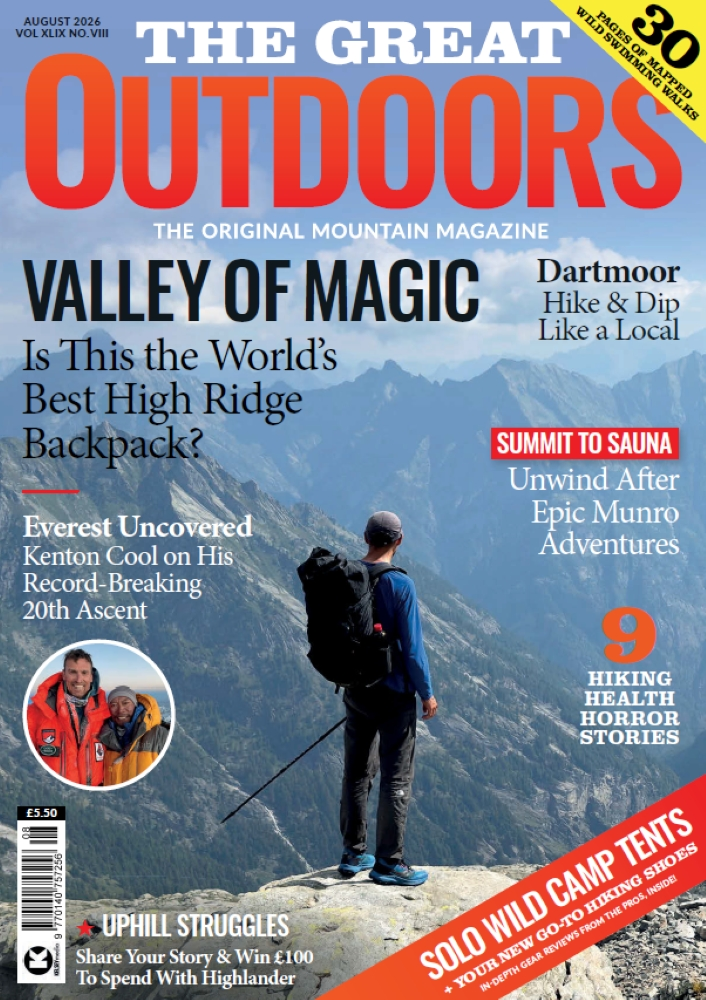
TGO is exceptionally thorough when testing tents in particular and these were used in the Scottish Highlands in all weather conditions – heavy rain, strong winds, frosty nights, snow, humid nights, sunshine – on sites ranging from exposed high mountain to deep forest. All tents were weighed on Chris’ digital scales and the weights are for all components including stuffsacks. This review was first published in the August 2026 issue of The Great Outdoors. You can compare it with other in our guide to the best solo backpacking tents.