
For those who choose to not listen or understand, the Right to Roam campaign is much-maligned. The new film, OUR LAND, is a timely and penetrating call to action that clears up any confusion: there is a burgeoning swathe of folks in England who peacefully and reasonably advocate for a Scottish-style right of responsible access to nature.
The film, directed by Orban Wallace, combines revealing documentary-style interviews with serene, animated storytelling, and spectacular landscape videography from the Cairngorms to High Force by way of The Great Ridge, humble bluebell woods and Devonian beaches. OUR LAND manages to be both rousing and soothing – much like nature itself.
You can watch the trailer for OUR LAND here:
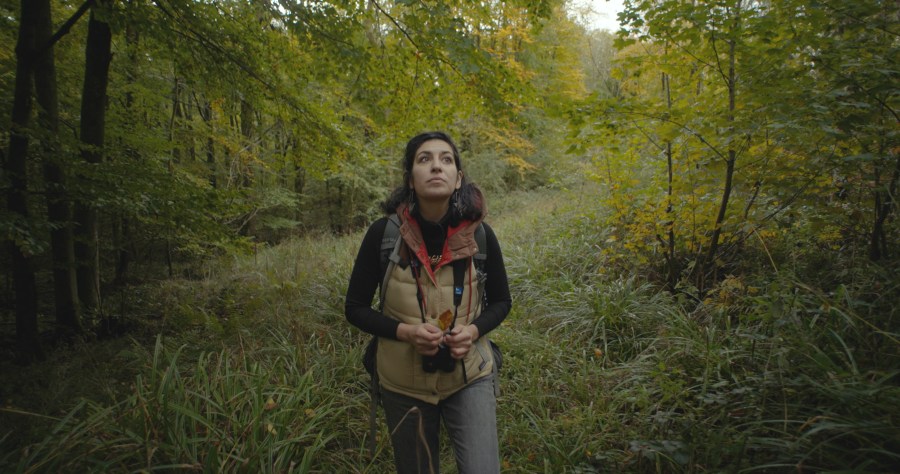
It’s simple really, explains land justice campaigner, co-director of the Right to Roam campaign (and The Great Outdoors‘ very own On The Lookout nature columnist) Nadia Shaikh in one of many eloquent confabs to camera: “Just because you have property does not mean you have the right to exclude.”
Though championing a simple goal, the Right to Roam campaigners have been busy – beyond the headline-inducing battle for the right to wild camp on Dartmoor. If you missed some of the team’s work towards a responsible right of access in England, this film is a swift but deeply thought-provoking summation, an unpicking of the complex debates that plague an ‘us and them’ narrative that holds nature to ransom, as well as a hopeful look to the future.
But we begin in the past. In an opening sequence penned by renowned nature writer Robert Macfarlane and animated by May Kindred Boothby, we meet an old oak – a centuries-old witness to the story of land ownership dating back to William the Conqueror. We learn how England became “patchworked, fenced, bounded and frontiered”, eventually leading to the enclosures of common land in the name of agriculture and private ownership. Our witness tree observes the “great thinning” of all who call these green and blue spaces home, from the curlew to the glow worm, and declares OUR LAND‘s purpose: to cross the lines that divide us with kindness from both sides.
So, we meet Francis Fulford on his 3000-acre Great Fulford estate. “This is my garden and it’s f*cking big,” the stockbroker-cum-reality-TV-star declares. It’s one of a handful of cringe-inducing statements this controversial interviewee makes alongside a lack of respect for most of the general public whom he deems “thick, stupid…and completely ignorant of rural ways of life”.
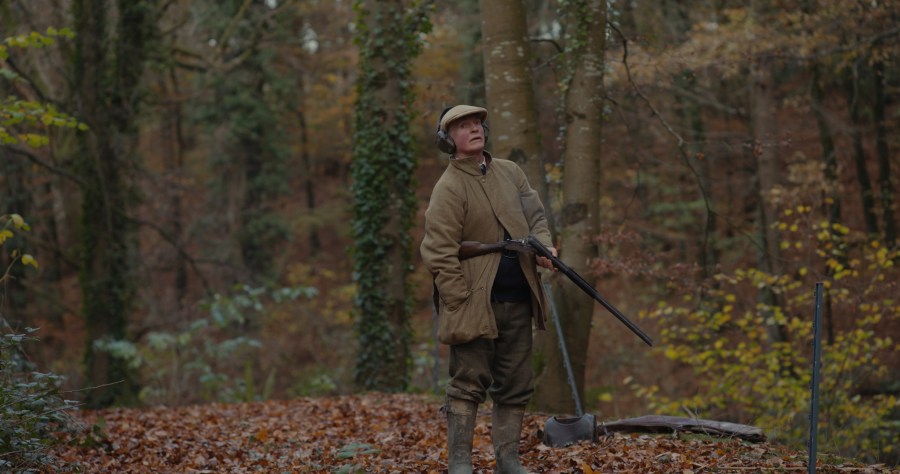
Yet, the narrative rhythm of OUR LAND is impeccable, never resorting to shock tactics. Moments of levity are spliced into the urgent issues which weigh heavy on nature-lovers in this era of its depletion. I didn’t expect to but I laughed – at times with recognition, joy and relief, and others in sheer disbelief. Fulford’s dog Sheba is a star of the silver screen, repeatedly refusing to be recalled to her master. Eye-rolls and contradictions aside, the medium of film – unlike snippets of discourse you’ll see on social media – allows humanisation from both sides of the literal fence.
Refreshingly, neither is painted as perfect. Nadia is delightfully real throughout the film – ironing her trespass banner, drinking a tinnie by a campfire. The bashfully triple-barrelled Hugh Inge-Innes-Lillingston, self-titled guardian of the Thorpe Estate in Staffordshire, talks of stewardship, unpicking enclosure and an “evolution of consciousness” with grace and empathy.
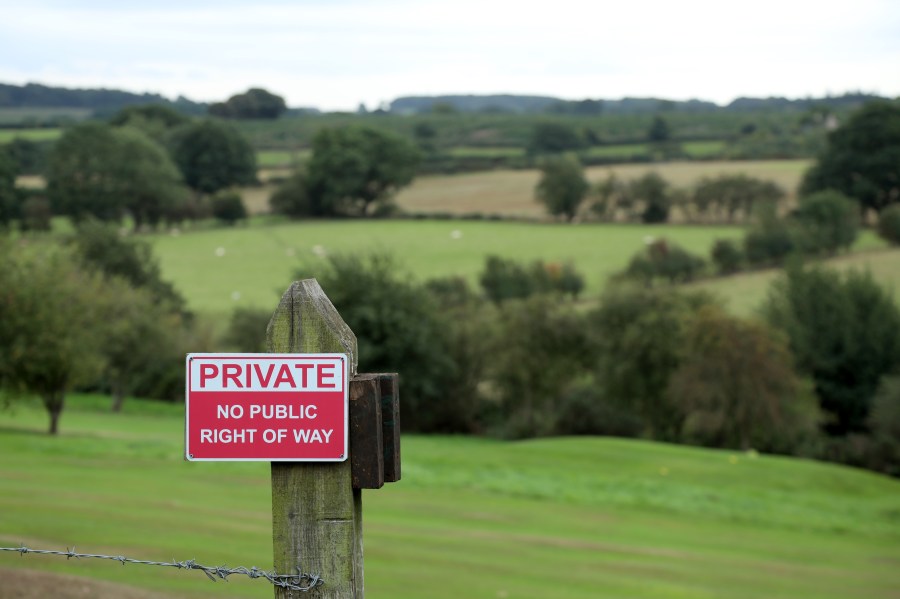
John Mildmay-White of the Devonshire Flete Estate – a man who gives managed access to his gardens one day a week while confronting those “moral questions about why [he has] that privilege” – watches his two eldest sons scamper around the land with scrapes on their elbows and joy in their hearts. It’s play that is not available to every child in this country – or every adult for that matter!
OUR LAND makes riveting watching out of a nuanced conversation, crafting an illuminating back-and-forth between participants. Many are sympathetic, even to Shaikh herself, who accepts that “landowners believe in their heart that they’re doing the right thing.” Just as we know there’s no cookie-cutter hillwalker, the film demonstrates that not all land owners are made equal – and some are starting to open the door just a crack to harmonious discussions on how to protect the very same nature we all want to preserve for generations to come.
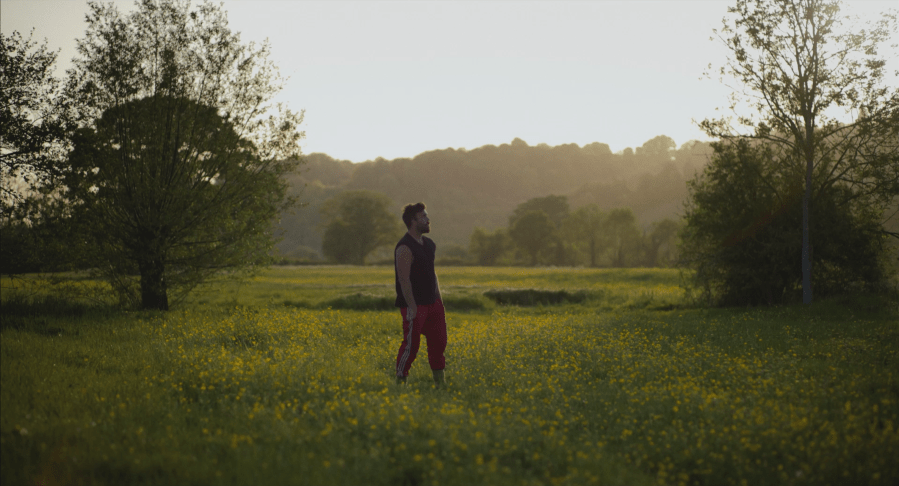
And here’s the punchline: “Nature doesn’t need protecting from individuals, it needs protecting from systems” that result in habitat fragmentation, global warming – plus class and patriarchy, “the myths that have been taught in order to keep this status quo.”
Challenging the status quo is at the heart of OUR LAND. At a mass trespass on the Sussex Downs, we hear from Guy Shrubsole, Wainwright Prize-winning author of Who Owns England? and The Lie of the Land, about how the ownership has been concentrated in fewer and fewer hands. Just 1% of the population own half of England, we have access to just 8% of our country, and 97% of our rivers have no right of access at all.
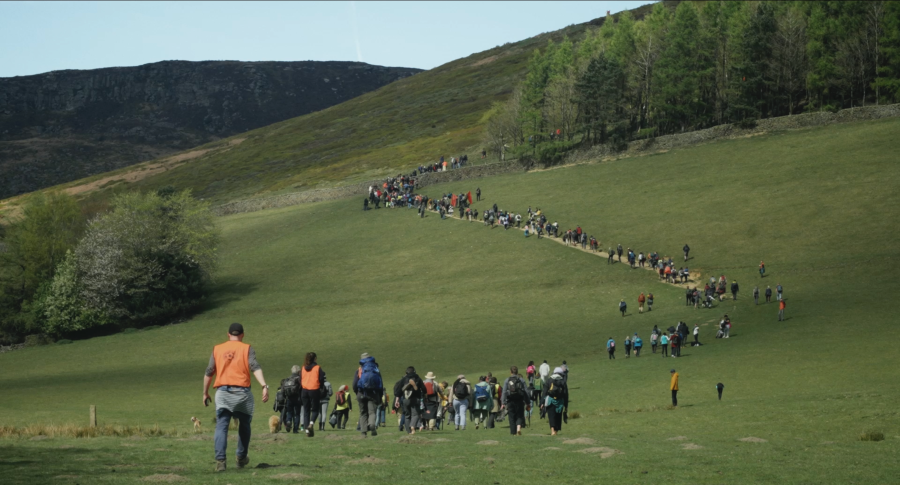
The film follows a pleasingly hopeful trajectory as we travel generally northwards from the southern estates, where we’re invited behind the scenes on pheasant shoots that still represent an “us and them story of segregation”, up through the Peak District on an historic Kinder in Colour Mass Trespass exploring the impacts of colonialism on our countryside, and into the heart of the Cairngorms, where enabling people to make responsible decisions results in a population that really does care for the land.
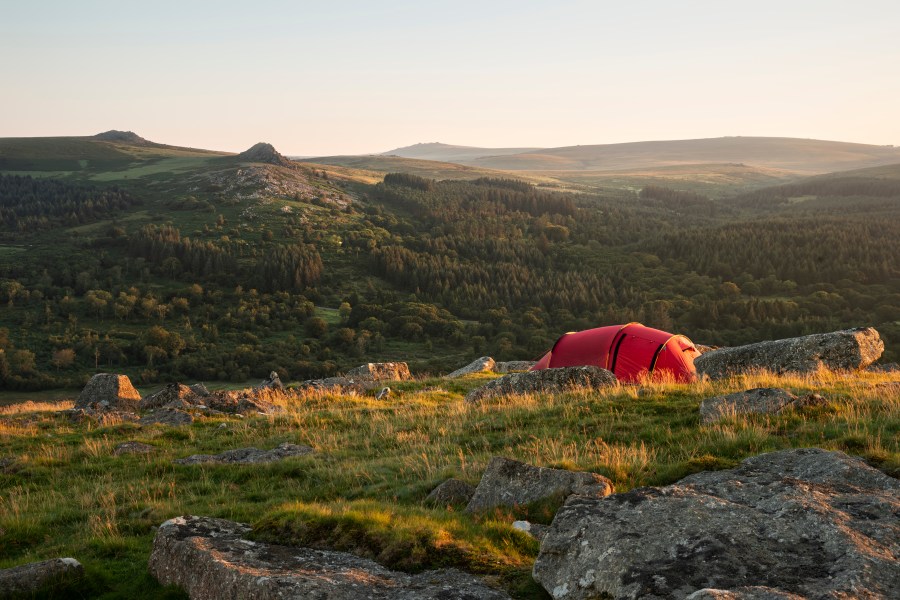
Scotland is held up as an aspirational system – but Scottish land ownership division speaks to tensions north of the border, too. It’s not perfect. Nothing is. There’s so much more to be said on access to nature across Britain and how it can benefit our natural spaces – citizen science is briefly touched upon while the topic of sustainable farming isn’t well represented – but OUR LAND is a good place to start and dares to tread where many haven’t before.
OUR LAND opens in cinemas on 8 May 2026, with a series of special preview screenings across the UK in March and April.
When contributors to The Great Outdoors aren’t hillwalking, some like to relax indoors with a good book or film. Browse their outdoor book and film reviews to discover your next adventurous tale.