
In a time of geopolitical turmoil – as orange men eye Greenland and a cod-faced dictator stalks Europe’s borders – it’s no surprise access reform has slipped down the political agenda. Still, the scale of access reform failure in the past five years has been impressive. Since 2020 we’ve had no fewer than nine policy announcements, commitments, or “reviews” relating to public access; nearly all of which have since been shelved, abandoned, diluted, or otherwise vanished into the ether.
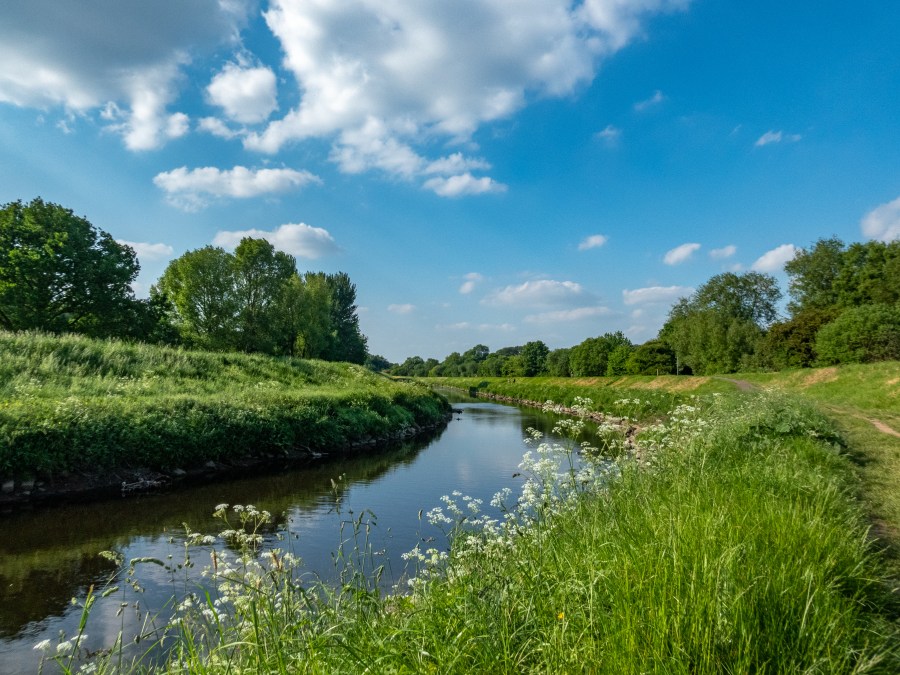
Main image: Summertime along the River Mersey near Chorlton Water Park, Manchester | Credit: Toby Howard / Shutterstock
The river finds a way
The latest of these – a Boxing Day splash announcing the first of ‘nine national river walks’ – was a classic of this genre. It turns out that the Mersey, the river selected as the pilot (and which is already one of the more accessible rivers in England) will not be seeing any new access at all. Instead the existing path will be getting some accessibility upgrades. No bad thing. But a level of ambition worthy of a parish council, not central government.
The future eight ‘national river walks’ will be identified through ‘competition bids’ throughout 2026, meaning a handful of local communities will be given the opportunity to fight each other for scraps of investment, while the overwhelming majority of rivers remain off-limits.
Kicked into the long grass
This might be forgivable if the government was pressing forward on the big stuff. But progress has stalled there too. Prior to the election, Labour committed to a Scottish-style Right to Roam, then U-turned under pressure from landowner bodies. They said they’d expand the existing Countryside and Rights of Way Act. That got dropped. Next they stated they’d introduce a ‘White Paper’ – usually the preparatory step for the introduction of legislation. After they took power that was diluted to a so-called ‘Green Paper’, an initial consultation on the issues and outline of potential options for reform.
This did, at least, begin to happen: Right to Roam joined the scoping discussions last summer, with a public release scheduled for autumn 2025. That is until Angela Rayner’s stamp duty debacle triggered a reshuffle resulting in yet another new DEFRA minister being put in charge (the tenth in as many years). With a new minister to bring up to speed the Green Paper was kicked into the long grass, “to be published during this Parliament” – a timetable so vague that it may prove too late to lead to legislation.
CRoW at 25
It is now 25 years since the previous Labour government introduced the Countryside and Rights of Way Act; a welcome if complex and limited intervention which extended access rights to around 8% of England. This has brought real benefits. But the reality is that the access it confers is miles from where most of us actually live, often in remote uplands and national parks a long journey away.
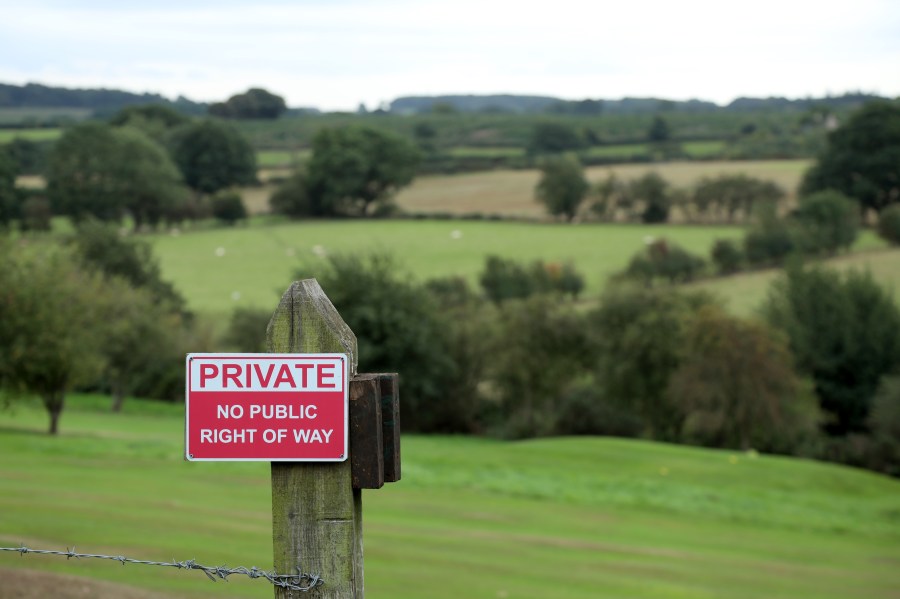
Yet if the pandemic taught us anything, it is the injustice and social cost of being excluded from much of the land and water on our doorstep. We are also seeing more and more informal access being lost, as much loved areas with no statutory protection are increasingly fenced off – in some cases, as at Cirencester Park, in order to charge people for the pleasure of being allowed back in.
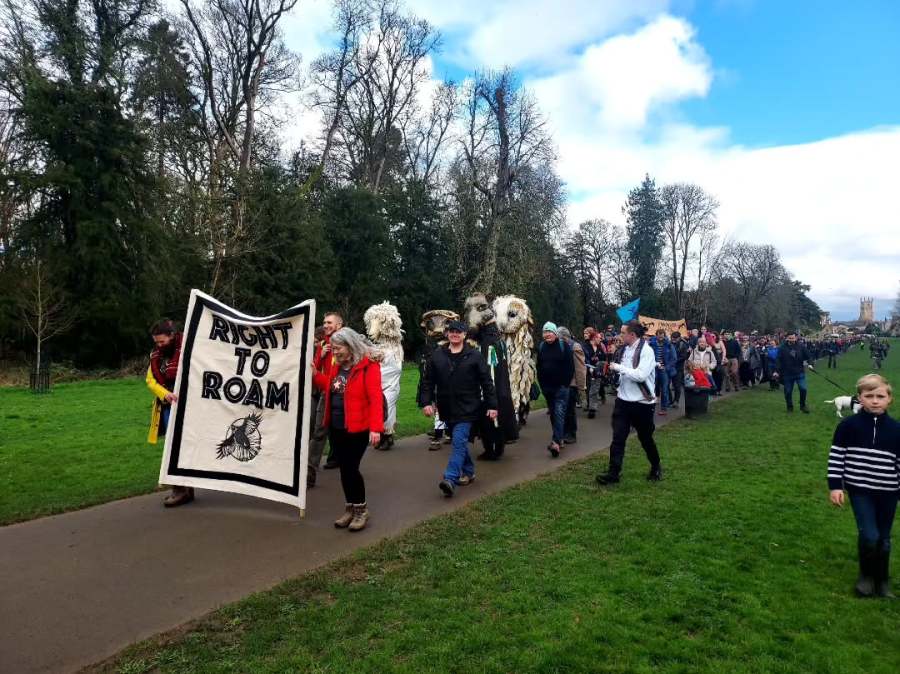
The sacrifices of the pandemic must not be allowed to go without redress. Labour must not be allowed to backtrack on its commitments to the people of Britain, all in an effort to appease some of the wealthiest landowners in the country. As a party it exists to shift the balance of power in favour of ordinary people and drag a still-feudal country into the condition of a modern democracy. The longer it fails to achieve this, the more its voters will seek out those who can.
Steps towards access reform
So, readers of The Great Outdoors, the access movement needs you. We need to apply pressure on the government from within and without to ensure access reform does not fall by the wayside and the government ceases its prevarication.
Please contact your MP, whatever their persuasion (you can find their email at members.parliament.uk/members/Commons) and ask them to contact DEFRA asking why it has so far failed to launch the access to nature Green Paper.
If you need help drafting a letter, visit righttoroam.org.uk/takeaction for a template and guide on writing to your MP.