

Main image: Frogspawn might seem a bit ‘primary school’, but so what?! | Credit: Rafal Kwiatkowski / Shutterstock
How we anchor ourselves to the world around us is often as a result of revisiting memories in nature. Finding new places to explore is great, sure; but the gentle re-walking of familiar paths and places is deeply grounding. This is what underpins our sense of ‘nature connectedness’, or belonging. For me at least, it is familiarity and repetition that is bonding and generates a sense of ‘home’. The seasons changing in particular is fundamental to recalibrating to our wildness. Most of the time it happens with subconscious subtle cues: a shift in daylength, warmth, the natural perfume of decomposing leaves or evening honeysuckle, even when the winds shift to gentle breezes. I’d like to think nature gets to us before Tesco begins to sell pumpkins or stock Easter eggs on the shelves. In each month we find familiarity, returning memories, tingles of expectation.
But February. February is the month that people want to skip. It holds nothing but relentlessness. Neverending grey. We pull up our hoods and hunker forward like a storm we’re trying to get through quickly. This is simply not fair to February, the month that is the teaser for spring. Let it tickle your tastebuds with… well, buds. This February, ask nature what stories it has to show you. For now, I have three wee tales of nature you can look out for outdoors this month.
I’ll start with the most familiar: frogspawn. In recent years frogspawn has been spotted as early as December in the South-West. However, by February these jellied eggs will have reached Scotland. It might seem a bit ‘primary school’, but so what?! We’re noticing the best of February and it would be silly not to poke a finger in this wobbly joy. Look in ponds and ditches with standing water. When frogs start laying, they just keep going.
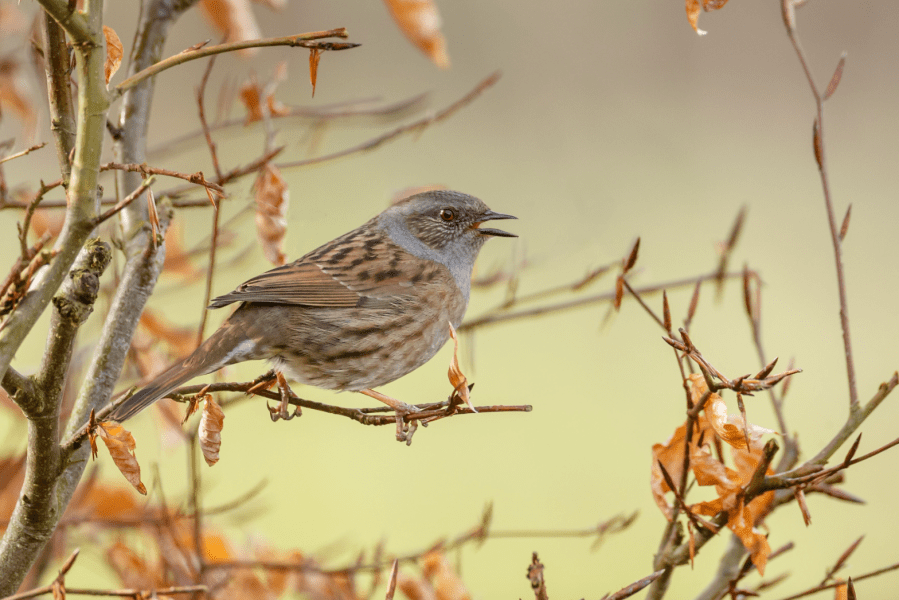
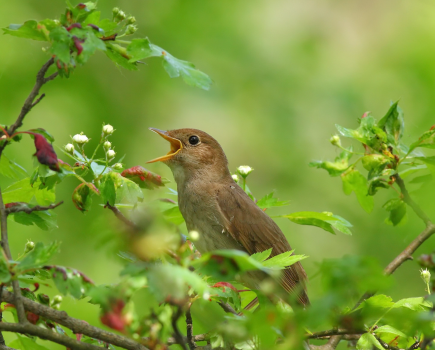
The next tale might be a bit harder. But this is one of our most underrated birdsongs. Dunnocks will have begun to sing this month. I remember as though it was yesterday the very first time I noticed one sing. It was a cold February morning, I was feeling low, I was trudging to work reluctantly. The clouds broke and the winter sun caught every water droplet on the silver birch tree next to me. The world sparkled and a dunnock began to sing as though it had been waiting for that exact moment. It was such a simple moment, but it was everything. Dunnocks are about sparrow-sized, and brown and grey; their song is only short but it’s happily uplifting.
Lastly, hazel flowers flip the script entirely. The duality of them is mind-blowing. Small yet extravagant, hot pink set against slate skies. You’ll need to find a hazel tree first. These are relatively common, but trees in winter can be tricky. The first thing you’ll notice are the catkins, which look like dangly butter-yellow caterpillars that jiggle satisfyingly in the wind. Just above them on the branch and only a couple of millimetres in size is a bud with tiny magenta pink flowers – these are actually the stigmas of the flower. I always look out for them when winter feels endless.
So, there you have it: February’s film trailer of spring things to come.