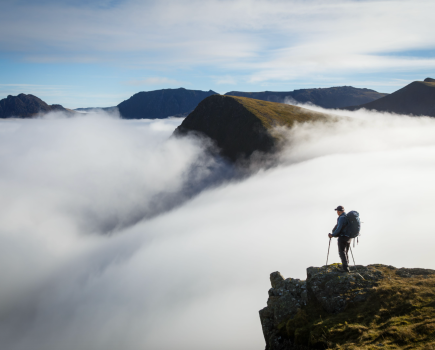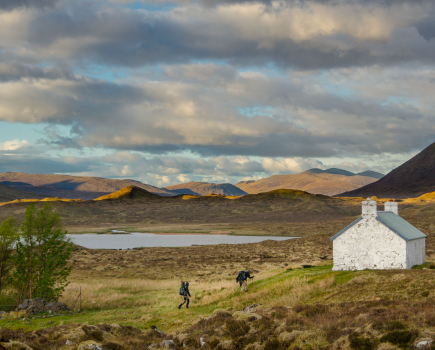

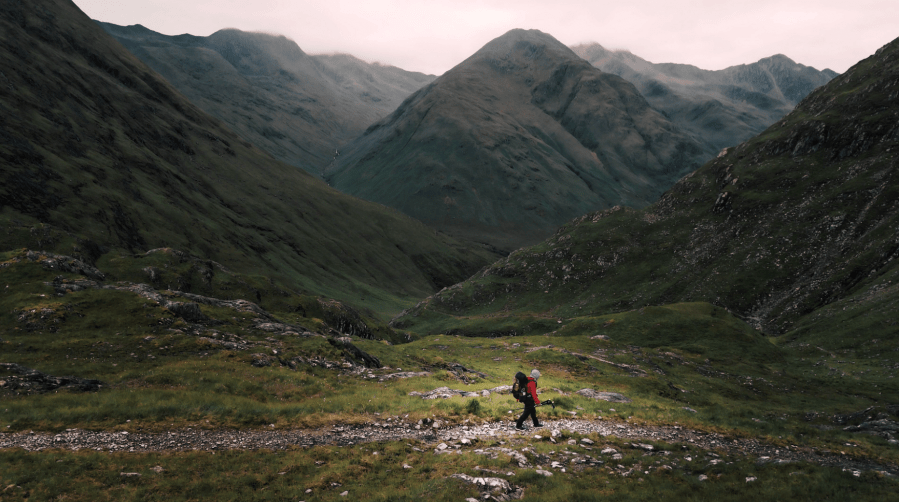
Under the combined influence of winter and bad news overload, it’s easy to forget that the world is – by and large – a pretty incredible place. Perhaps the reason walking is so strongly linked to happiness is because it pulls us out of the social media echo chamber and reconnects us with the joys of exploration. Even the most ordinary backdoor ramble can be a source of the new, the surprising and the sublime. The walks here have extra SAD-busting power: they might vary in length and location, but all of these – the world’s happiest hikes – share inspirational back stories.
From celebrating access and conservation wins to encouraging mindful reconnection with nature, there’s plenty about these happiness pilgrimages to feel positive about.
The happiest hikes around the world
Willing to travel in pursuit of happiness? Try one of these glorious global treks.

Trans Bhutan Trail (Bhutan)
This recently restored path connects the east and west of a country which famously measures its success using Gross National Happiness (GNH). The trail’s bar-raising standards of sustainability (including zero single-use plastics, eco-friendly trail materials and one tree planted for each international visitor) adds to the smile factor.
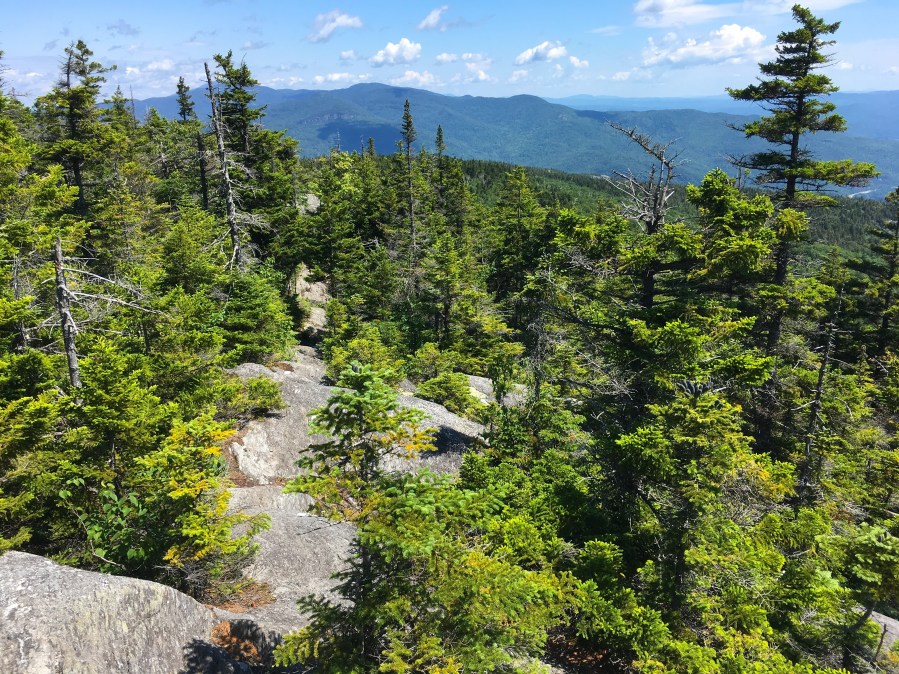
Long Trail (USA)
The remarkable thing about the USA’s oldest trail is that it’s maintained by a membership charity which relies largely on volunteers. For over a century, volunteers have acted as path maintainers, patrollers and caretakers on the 272-mile traverse of the Green Mountains. Walkers on the trail become a temporary part of this large, public-minded community.
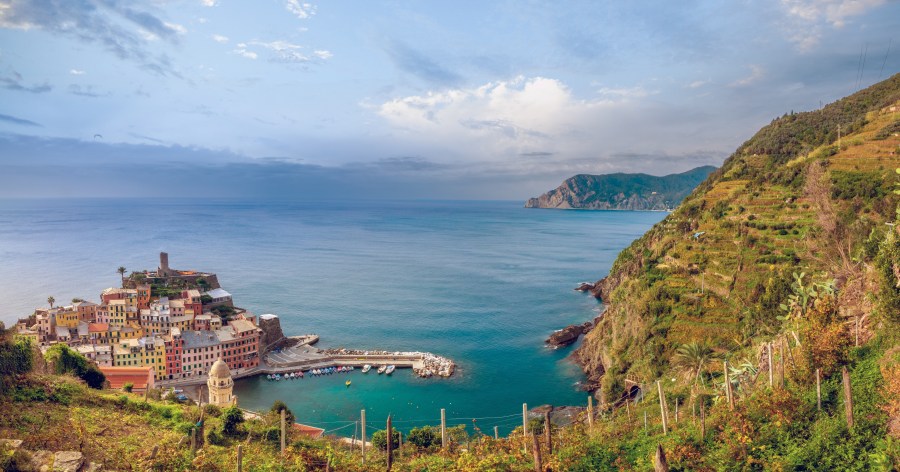
Sentiero Italia (Italy)
Created back in the 1980s – largely by huge groups of volunteers – this long-distance expedition (between 4,350 and 5,000 miles depending on how it’s approached) was modelled on the USA’s Triple Crown routes. The remote areas of Italy it crosses are plagued by depopulation. By drawing in visitors, the trail is breathing life back into rural communities – so expect a warm welcome from the locals.

Kumano Kodo (Japan)
This network of Japanese pilgrimage routes offers a mindful experience to walkers, with the opportunity to bathe in hot springs, participate in ancient shrine rituals and visit modern meditation hubs along the way. Take the opportunity to participate in the popular Japanese sport of spogomi (competitive litter picking).
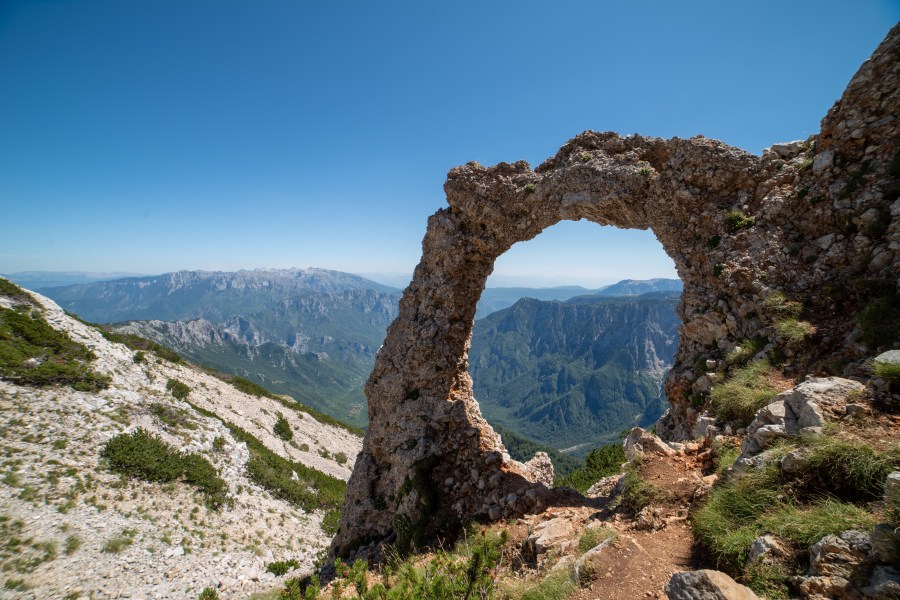
Via Dinarica White Trail (Balkans)
Created across former front lines in the Western Balkans, this 783-mile trail unites countries in peace that were once divided by war. It takes in the scenery and cultural heritage of Slovenia, Croatia, Bosnia and Herzegovina, Montenegro and Albania.
The happiest hikes in Britain
Clwydian Way
Start / finish: Prestatyn | Length: 196km / 122 miles | Feel good factor: A new national park?
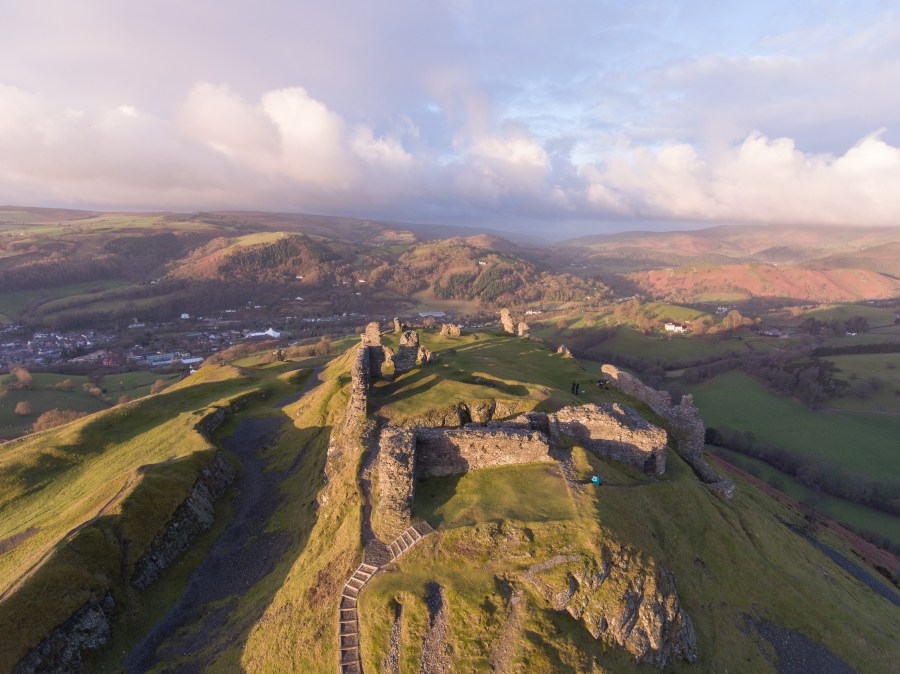
A circular ramble through the forests, heaths and uplands of Denbighshire, the Clwdyian Way brings together the best of the Clwydian Range and the Dee Valley. It’s been quietly introducing walkers to the scenic joys of northeast Wales since the millennium – but this year it could win new fame as the best way to explore Wales’s newest national park.
The idea of a ‘Glyndŵr National Park’ that would cover the Clwdyian Range and Dee Valley National Landscape has been under discussion since 2023. December marked the end of a public consultation – the penultimate step in the decision-making process.
John Elwyn Williams, Chair of the North Wales Area of the Ramblers, said that Ramblers Cymru support the proposal. “There have been extensive consultations with the local communities during the last few months,” he added. “We welcome that the Welsh Government is committed to properly funding the new park that will be the first since 1957. There can be many benefits that could include the improved physical and mental well-being that walking often brings.”
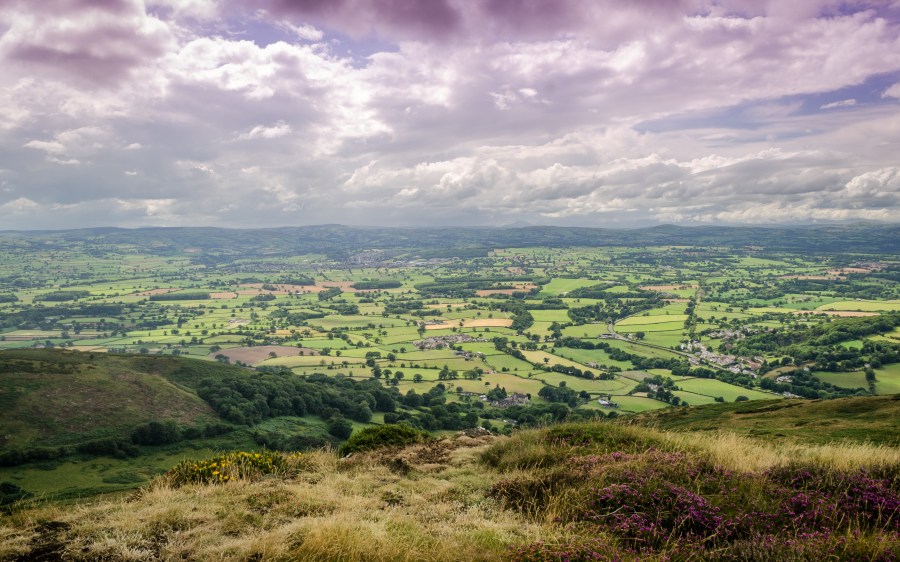
Want to get in there before National Park status brings more visitors to the area? You’ll need to set aside between seven and 14 days to walk the Clwydian Way, which is 117 miles long and traverses both the rounded heights of the Clwydian Hills and the fertile lowlands of the Dee Valley and Vale of Clwyd.
Devil’s Beef Tub circuit
Start / finish: Moffat | Length: 22.5km / 14 miles | Feel-good factor: Community-funded nature restoration
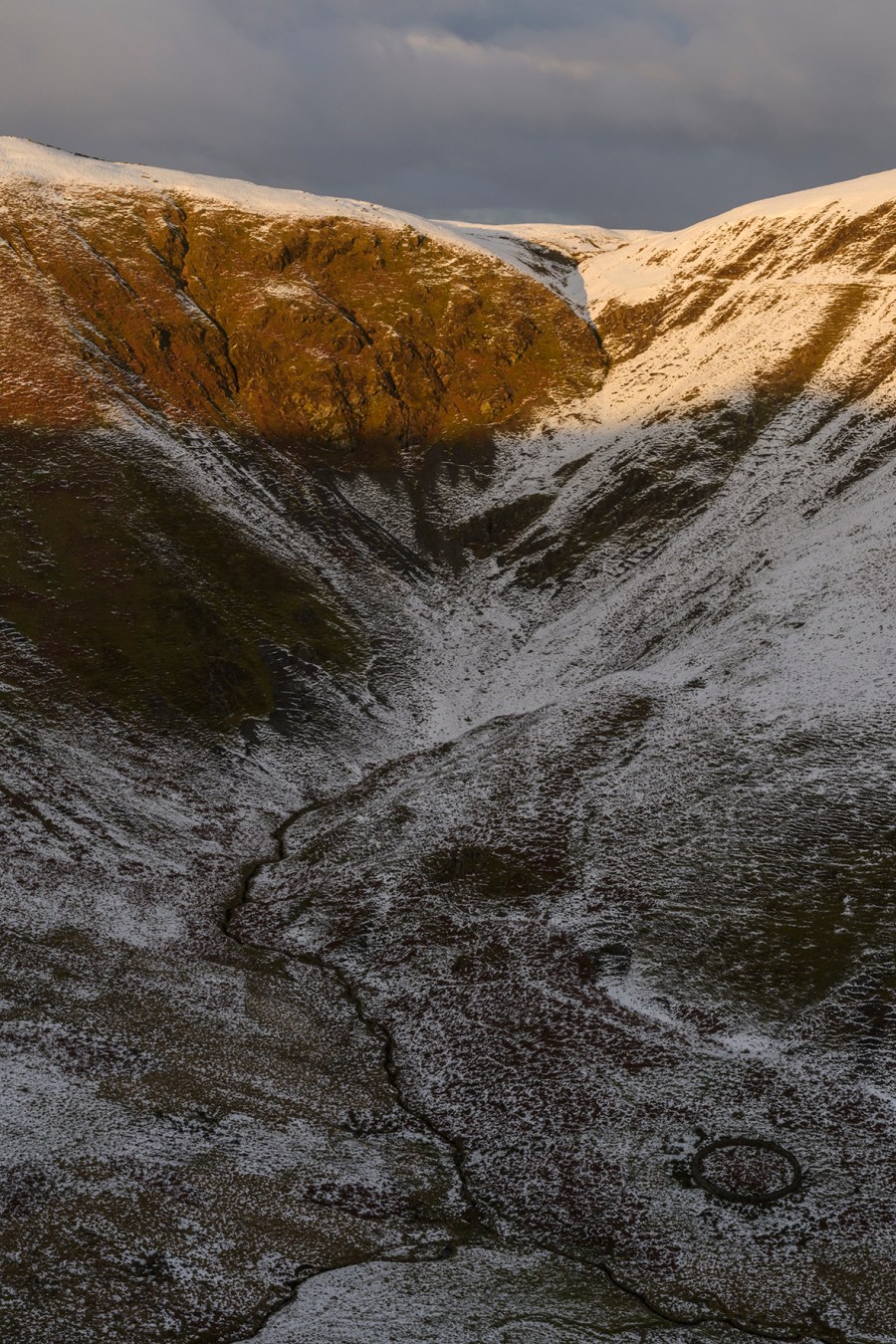
Follow the first stage of the Annandale Way from Moffat to Annandale Head and you’ll pass through one of Scotland’s newest and most heartwarming rewilding projects. Ericstane, a historic upland sheep farm, was acquired by the Borders Forest Trust in 2023 after a public fundraising appeal that raised nearly £1 million. Now 49 hectares of bare hillside – which adjoin an existing network of Borders Forest Trust restoration sites – are being planted with over 70,000 trees in a bid to create a native Scottish woodland habitat.
“The site in its entirety is about 700 acres and it’s one big rewilding project,” says Site Officer Adrian Kershaw. “As well as planting trees we’ve restored wetland and created a wildflower meadow and an orchard – there are lots of different things going on. “We’re in the process of planting Ericstane as a native Scottish woodland, with species like oak, alder, holly, aspen and juniper.”
Within five years, says Adrian, the metre-high saplings should have grown to feel like an establishing woodland. Thanks to the non-linear planting, with space left around water sources and archaeological sites, it should resemble a natural established forest within 15 years. In the meantime, though, it’s well worth a visit to check out positive change in progress. The circular walk from Moffat loops around the Devil’s Beef Tub and returns via Ericstane, where you’ll find new publicly accessible routes in place together with interpretation boards. Allow 6 hours for the full 14-mile circuit, plus extra nature-contemplation time!
Stall Moor loop
Start / finish: Ivybridge | Length: 28km / 17 miles | Feel-good factor: Legal wild camping
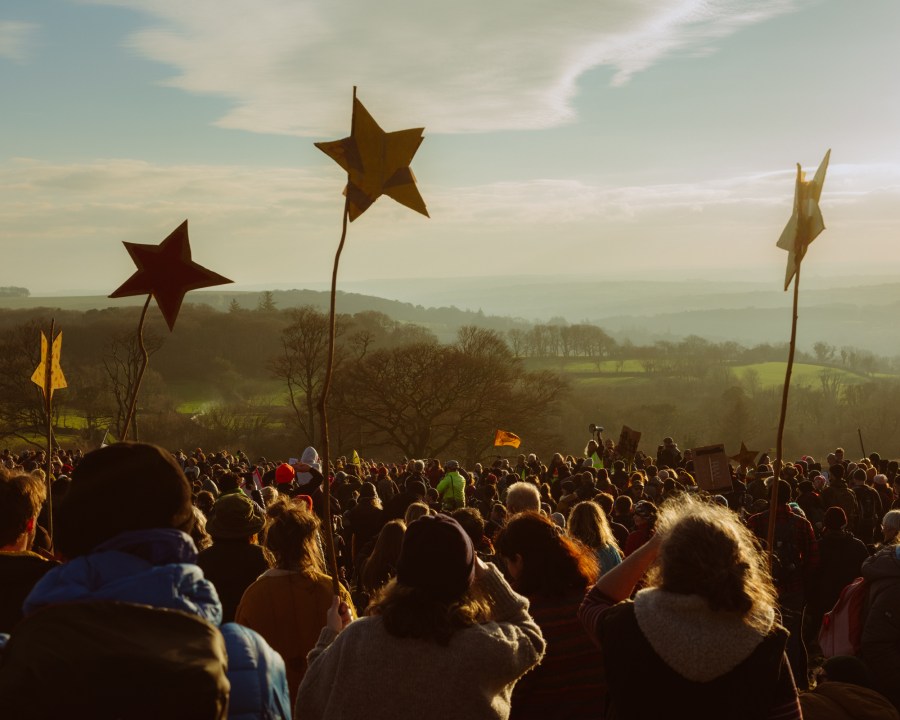
Perhaps the greatest access win of 2025 was the Supreme Court’s decision on the legality of wild camping on Dartmoor. Bottom line: it’s now legal (with caveats around responsibility), and that warrants some serious celebration. What better place to revel in this win for the walking masses than Stall Moor, the epicentre of the original controversy? This lonely southern reach of Dartmoor became notorious in 2023, when its owners won a High Court ruling allowing them to remove wild campers from their 4,000-acre moorland estate. But it was also the place where access campaigners decided to fight back.
“When we heard that the legal right to wild camp on Dartmoor was going to be challenged, a few of us gathered to camp up on Stall Moor,” says Lewis Winks from The Stars Are For Everyone campaign. “We shared stories and folktales of Dartmoor and we talked about the joy of wild camping and what it meant to us. And we said: ‘we should have a campaign around this; we should fight to defend these rights’. In January 2023, 3,500 people took to Stall Moor, on the same spot where we’d camped, in a defiant celebration of people’s ability to get out and enjoy Dartmoor by sleeping under the stars.”
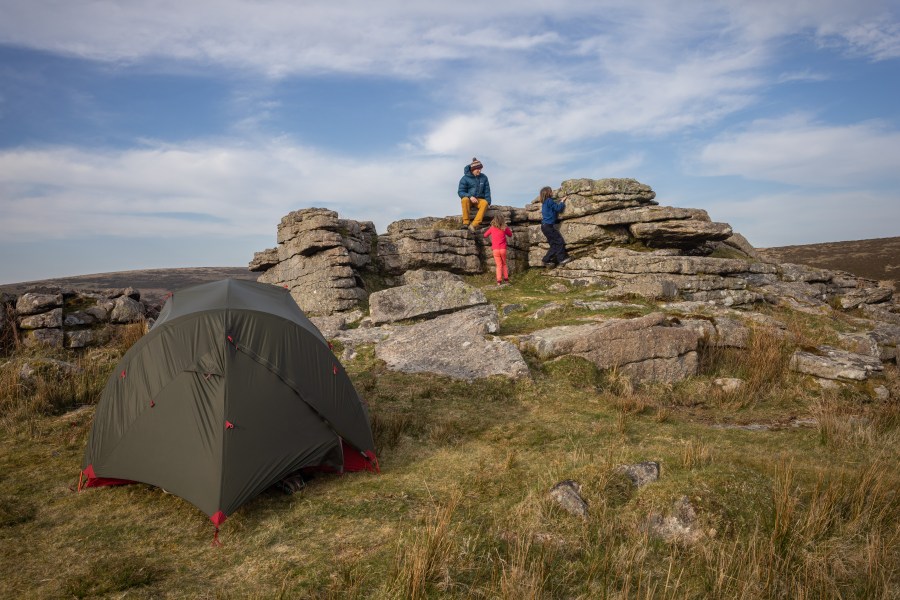
Stall Moor can be approached in a 28km circuit from Ivybridge, which takes the Two Moors Way up to Erme Plains before crossing the River Erme and looping back for a night of blissfully legal wild camping on the original protest site.
Affric Kintail Way
Start: Drumnadrochit | Finish: Morvich | Length: 70km / 44 miles | Feel-good factor: Cute, furry critters
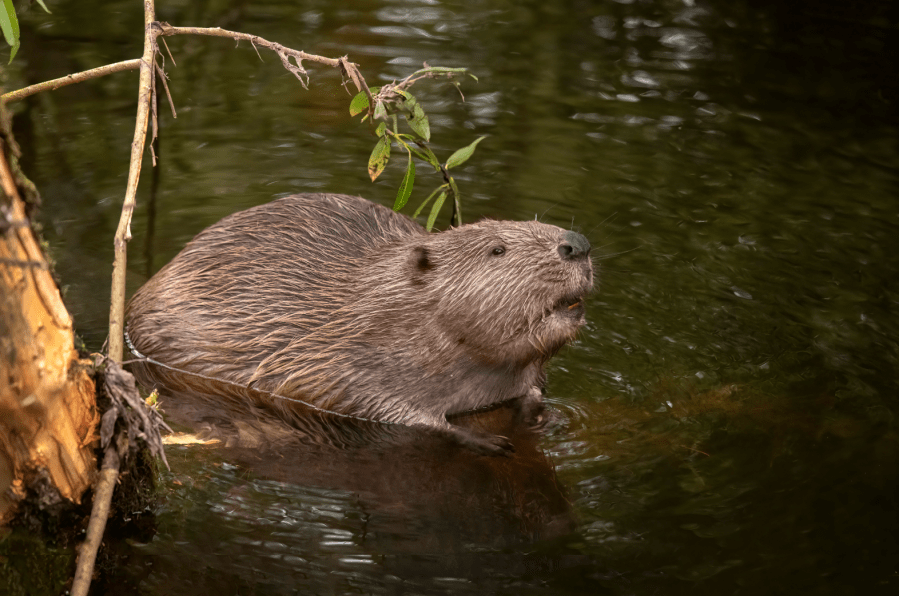
Studies have shown that watching cute animal videos can lift your mood – well, in Glen Affric you can experience the natural equivalent (and without the screen-linked dopamine comedown). In October 2025, seven beavers were released into the glen after a long public consultation. Steve Micklewright, Chief Executive of Trees for Life, says that the release offers “hope for tackling the nature and climate emergencies, and a better future for biodiversity and people.”
There’s no guarantee that walkers will see Glen Affric’s newest residents, of course, particularly as beavers are nocturnal; but you might spot signs of their presence, such as chewed trees and stripped bark. For a bigger adventure, squeeze some beaver-sleuthing into a long-distance tramp along the 44-mile Affric Kintail Way. Cinematographer Leigh van der Byl, who made a non-narrative film of her walk from Cannich to Morvich last year, describes it as ‘the perfect bite-sized detox from our hurried lives’.
“The Affric Kintail Way may be one of the shorter routes in Scotland, but perhaps that’s one of its strengths as there’s no need to take a long break from work or commitments, and there’s a lot packed into that distance,” she adds.
“There aren’t many places in the UK where you can so easily reach an area that feels so truly remote and wild, and if you walk it east to west, then the views just get better with each day, from the early stages on forestry track, gradually opening up onto broader glens and lochs before reaching the spectacular Kintail Mountains. You’re never far from the gentle gurgle of a river or the sound of the wind whistling amongst trees or crags.”
South West Coast Path
Start: Minehead | Finish: Poole | Length: 1,014km / 630 miles | Feel-good factor: The world’s biggest smiles (and longest coast path)
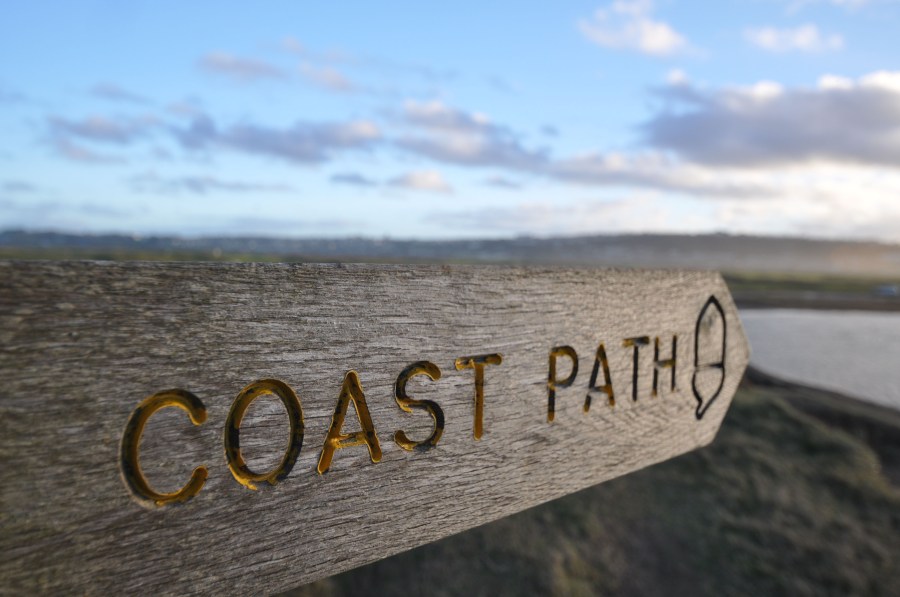
How do you go about finding the ‘happiest’ walk in the world? Walking holiday provider Inghams came up with a light-hearted solution: ask a computer. The company used facial-recognition software to analyse social media images taken on popular walking trails around the world. The software compared the size of the smiles captured in the posts to generate a happiness score and come up with a winner… Britain’s very own South West Coast Path.
The real aim of the study, says Laura Mason of Inghams was to emphasise the link between walking and joy: “Walking is one of the simplest and most enjoyable ways to reconnect with nature and with yourself, wherever you choose to explore.” But coastal routes do have strong anecdotal links to happiness.
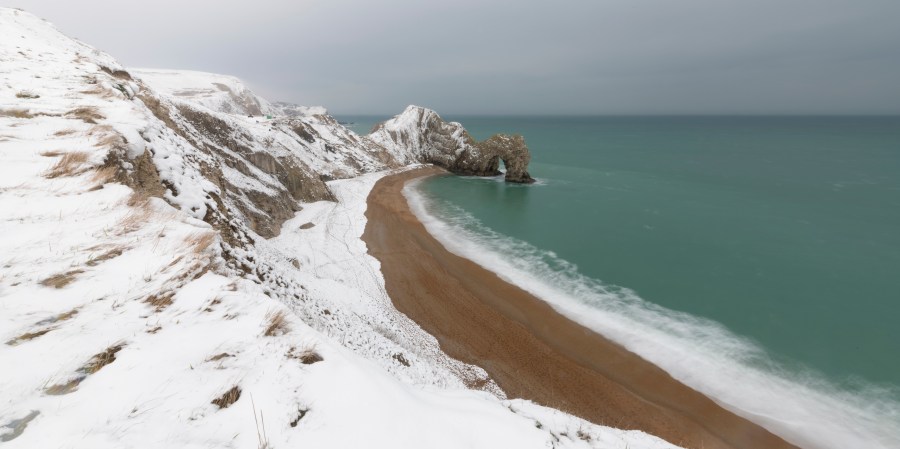
Jake Tyler, author of The Wild Edge, credits a 3,000-mile circuit of Britain – beginning with the south coast – for lifting him out of depression. And Christian Lewis famously begun a circuit of Britain’s perimeter homeless and suicidal, ending six years later with a family, a career and a new sense of purpose.
Take a coastal ramble this year, and you’ll also be celebrating the completion of the England Coast Path. The 2,700-mile-long route, which has been 16 years in the making, will be fully opened in spring 2026. It’s going to be the longest managed coastal path on the planet – something to feel patriotic about.
Howgills circuit
Start / finish: Tebay | Length: 10km / 6 miles | Feel-good factor: Life returning to ‘ghost woodlands’
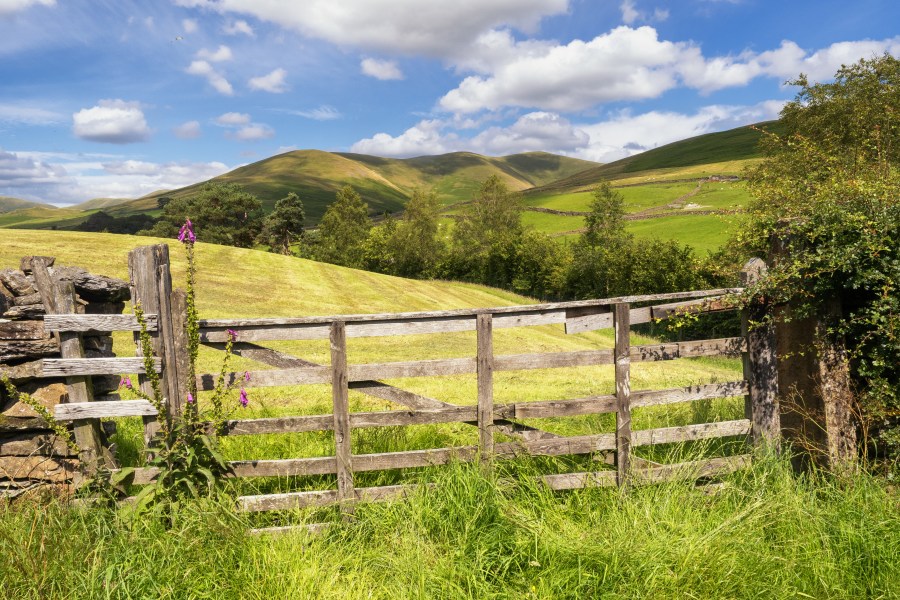
Wainwright described the Howgills as a “herd of sleeping elephants”; a play both on the rounded profile of these Cumbrian hills and their smooth appearance. But parts of the range are getting a wild makeover, thanks to the united efforts of farmers and conservationists. On Tebay common – an area of ‘ghost woodland’ where the woods are long gone but the soil and the seedbanks have clung on – a restoration agreement made 12 years ago between farmers, owners and Natural England has resulted in the planting of 300,000 native trees in sheep-free enclosures.
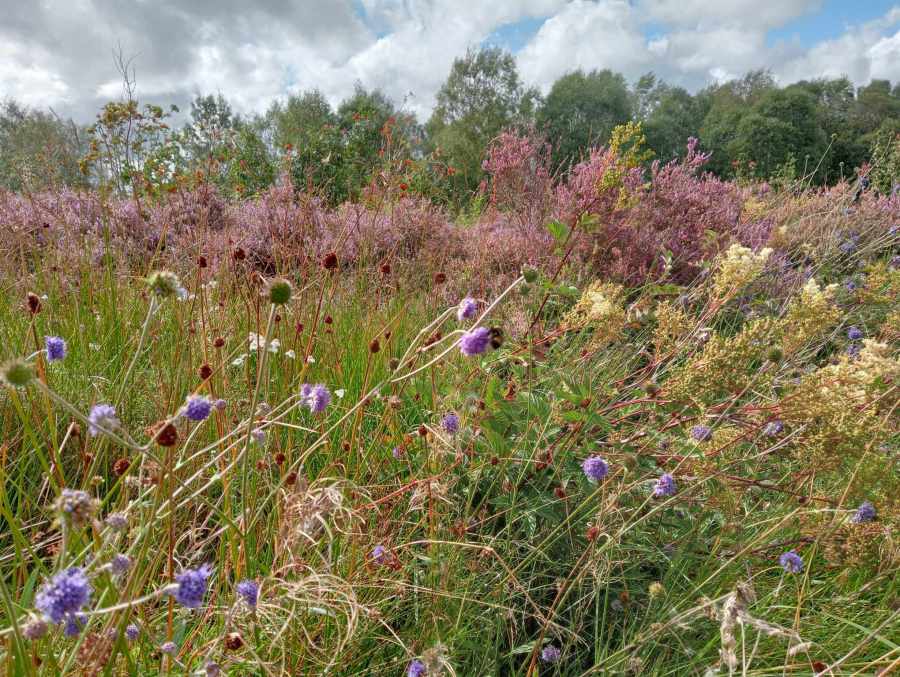
Pete Leeson of the Woodland Trust, which has supported and monitored the project, says that the results are amazing. “Walkers on this common can see a great deal of change. The trees are the most obvious bit but underneath them we have a fantastic array of plants coming back – heather, bilberry, crowberry along with scabious, yarrow and bedstraw. With these plants we are recovering insect mass which is now feeding more birds and bats.
“The beautiful Green Hairstreak butterfly – a bilberry specialist – has returned to Tebay and is visible by the dozen on a warm day in May. Where we once found only five species of breeding bird in Tebay Gill we now have fourteen, including rarities like Lesser Redpoll, Willow Warbler and Stonechat. To our great excitement this year, we had our first attempt at breeding by a pair of black grouse for the first time in possibly 100 years. On top of all of this, the ‘tree’ areas now store more water and slow the flow of flood water meaning that the village of Tebay no longer floods as often.”
Try the six-mile walk that lassoes Tebay Fell from Tebay, reaching Blease Fell before returning via Waskew Head. As well as visiting the five fenced areas, it offers up views of the smooth surrounding fells that throw the contrast into sharp relief. For something a little longer in the area, the 188-mile Roof of England walk was launched in September and takes in some of the highlights of the North Pennines national landscape.
Listen to Pete Leeson’s podcast at treeamble.podbean.com
Highmeadow Trail, Symonds Yat
Start / finish: Symonds Yat Rock car park | Length: 18km / 11 miles | Feel good factor: Mindfulness boost
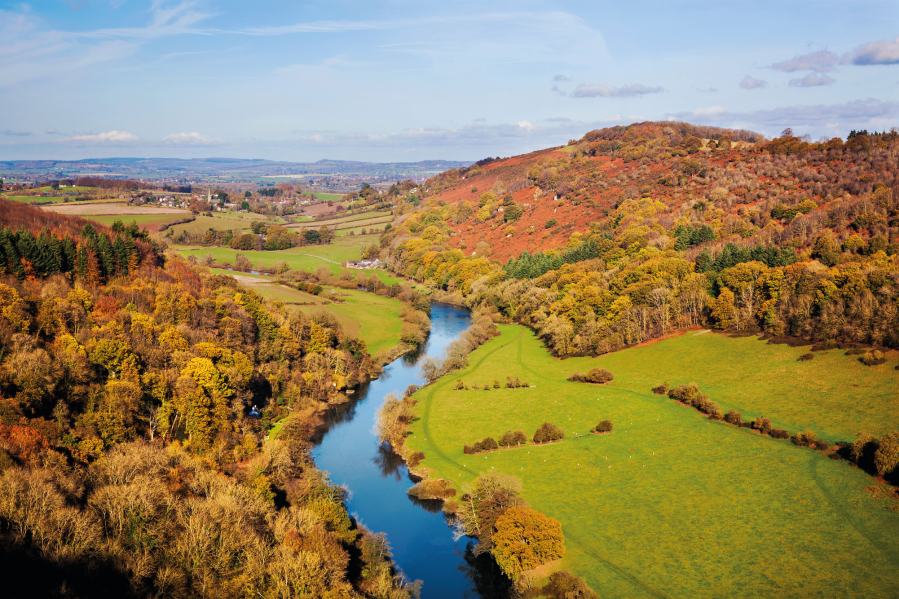
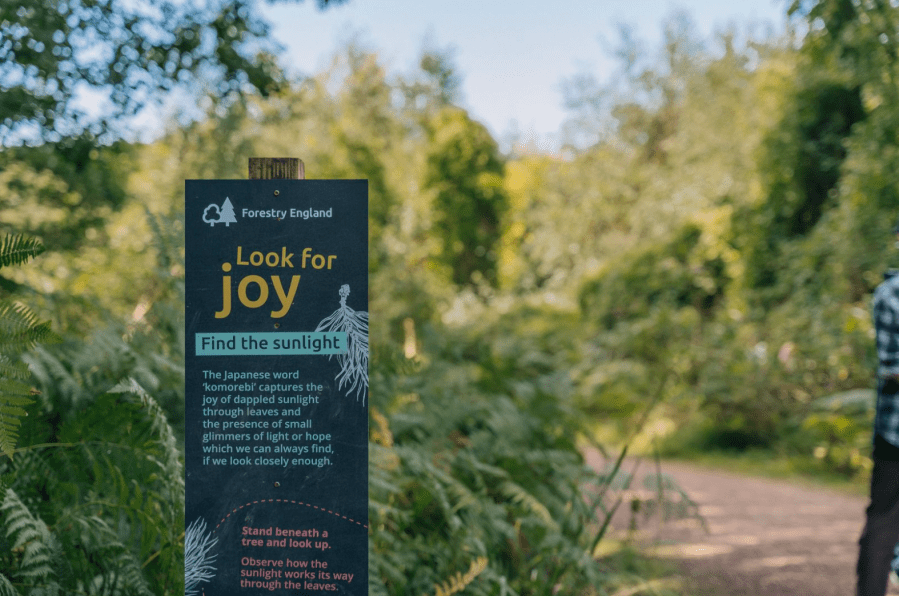
A new ‘wellbeing trail’ in the Wye Valley aims to combine two activities proven to promote happiness: walking and mindfulness. Designed by mindfulness experts at Forestry England, it’s based around themed panels that give walkers exercises to practice as they explore the forest. This is one of 22 routes that have been mapped across the nation’s woodlands since 2023; and it’s all about encouraging walkers to slow down and notice their surroundings.
Of course, you don’t need physical prompts to experiment with mindfulness. The trail’s creators have some advice you can practice on any walk: “The key to enjoying movement and reaping the wellbeing benefits is to be mindful, in a non-judgemental way, of how it feels to be moving your body, and to make a special effort to connect with your surroundings. As you move, ask yourself: can I feel the breeze on my cheeks? What does the ground beneath my feet feel like?”
The marked section of the trail is just over a mile long, but it can be woven into a longer 11-mile circular designed by the Forest of Dean Ramblers, which combines high views over the Wye Valley with forest trails and a fun ferry crossing.
Good news nuggets
It’s not all bad news – these recent wins from the outdoors world might help lift your mood.
Mountains of enthusiasm: According to Sport England, the number of regular hillwalkers in England rose 40% between 2016 and 2025. That makes hillwalking one of Britain’s fastest-growing physical activities.
Active old age: Eight-eight-year-old William hiked the Thames Path last year to raise money for MacMillan Cancer Support. He was the oldest person to participate in Macmillan Mighty Hikes 2025, which altogether raised £14.5 million to help support people living with cancer.
Volunteering victories: The BMC’s Get Stuck In volunteering initiative clocked up 1,843 volunteering hours in 2025. Achievements included fixing 246m of footpaths, planting 13,100 sphagnum plugs, 3,240 acorns and 500 trees, and building the Lake District largest rainwater-diverting earthwork. Other volunteering wins of 2025: the removal of 4,000 items of litter from Yr Wyddfa, large-scale restoration on Mam Tor, and the completion of Fix the Fells path repairs on three popular Lake District routes.

App-y exploring: A new, free app aims to connect more people with the nature on their doorstep. Wildling (wildling.app) features over 1,500 locations around the country together with all the info you need to access them. It also offers “moments of connection through soundscapes, stories, and simple ideas that help build your bond with the natural world.”
Continental ambition: Kit Birks is aiming to be the first person to travel on foot from Europe’s northernmost point in Norway to its southernmost point on the Greek island of Gavdos. She’s a former addict who’s undertaking the 5,280-mile journey to raise awareness around suicide prevention.
Rising diversity: There’s a long way to go both in Britain and globally when it comes to diversity in the outdoors (a recent survey by international collective Opening Up the Outdoors looked at the lived experiences of People of Colour in Germany’s outdoor spaces and found alarming levels of racism) but there are signs of positive progress. One promising programme is the Walk Together Pathway, a funded pilot scheme aiming to increase the number of walk leaders on offer to under-served communities by supporting People of the Global Majority to access Mountain Training courses.