
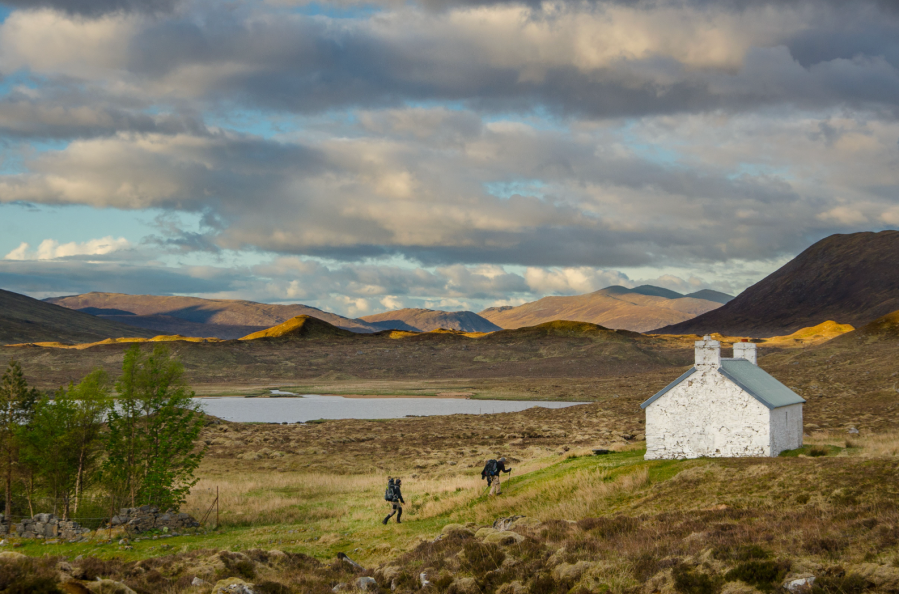
It’s often said that walking is free. True – but only if you do it from your back door, on an empty stomach, devoid of mountain skills and naked. If you’re hoping to travel to your nearest hilly place, stay for a night or two and be at least semi-protected from the elements, then walking costs money. Often quite a lot of it. In the belief that the hills should be open to everyone, no matter what their budget, we’ve put together a 50-point manifesto for saving cash while indulging in your favourite pastime, broken down by these expensive aspects of adventure and professional budget hiking hacks for each.
Main image: For a free night in the hills, you can’t beat bothying | Credit: Michal Szymanski / Shutterstock
Budget hiking hacks
- Budget gear hacks – save money on your adventure wardrobe
- Travel – how to get yourself into the great outdoors on a shoestring
- …Even when you’re going overseas!
- Get out, stay out – budget hiking accommodation hacks
- Eat well outdoors – for less
- BONUS BUDGET HIKING HACKS

Gear
- Use charity shops. “You’ll get better kit on a budget, and you’re putting your pennies into a good cause,” says Kris Roach of SUP Hike Explore. “I see loads of techy clothes making their way through our local shops – base layers, tech fleece and so on. My most recent purchase was a Mammut Gore-Tex jacket for only £7, and I’ve just picked up a North Face t-shirt for £3.50.”
- Visit a library: Maps, guidebooks, walking histories and travel literature can all be borrowed rather than bought. Some libraries will even let you request that they buy a specific title.

- Discover your local Library of Things (libraryofthings.co.uk). Items you can borrow for free include tents and bike repair kits. Try Share Shed (sharesheduk.lend-engine.com) for sleeping bags, roll mats, tarps, cooking gear, bike racks and more.
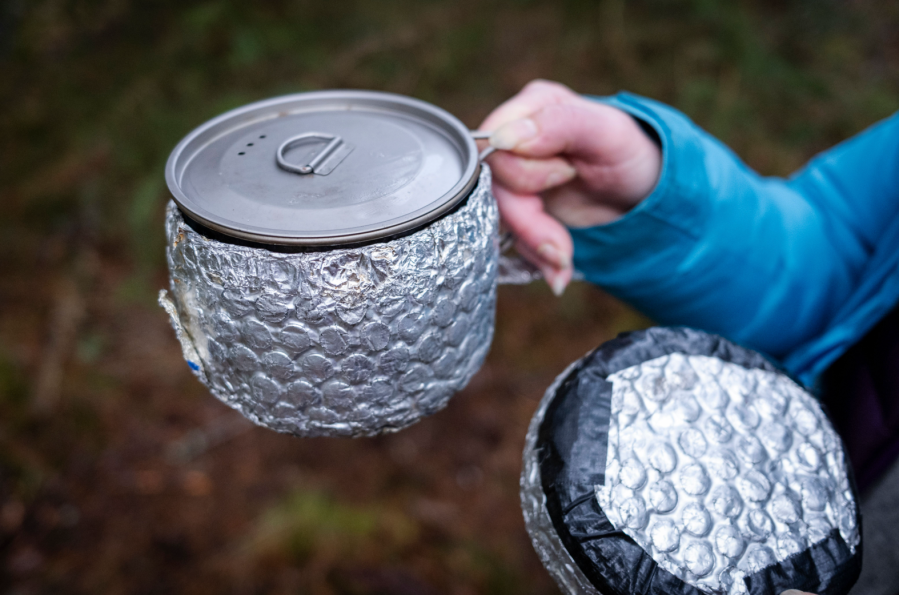
- Make a bubble wrap pot cosy. “Some all-in-one cook ‘systems’ incorporate a thin layer of fabric or cork insulation in the pot,” says The Great Outdoors editor David Lintern, “but for plain aluminium or titanium pots, fuel cost and weight can be saved by making a pot cosy from aluminium bubble wrap. Available in rolls from supermarkets, DIY stores or online, this is sometimes sold as ‘radiator wrap’ and will allow you to boil water once and then rehydrate your meal while you wait, rather than attempt to simmer. The one pictured cost less than a pound to make, has lasted several years and will have saved several tenners worth of fuel, not to mention the weight and bulk of additional canisters. Cut to size and stick together with gaffer or aluminium foil tape.”
- Hold a swap party. Not just for fashion-obsessed city folk, swap parties are an excellent way to benefit from your outdoorsy mates’ hand-me-downs.
- Swap your microfibre towel for a J cloth. “Why carry an expensive, stinky and slow to dry microfibre towel when you can pick up a dozen of these for less than a quid?” says David. “Beloved of TGO challengers, the humble J cloth is massively absorbent, can be wrung almost dry and then air dries in an hour or less. It costs next to nothing and weighs less, and when it gets mucky can be easily replaced. Cut in two and keep one half for your face and one for everywhere else.”
- Buy staples, rent everything else. It’s worth investing in kit you use day-to-day, but if you fancy trying something new then it might be cheaper to rent. Some brands have rental schemes you can sign up for – Finisterre, for instance, offers cold water swim kit rental, and Rab lets you rent everything from tents to expedition clothing. For mountaineering missions, check out expeditionkithire.co.uk (10% discount with BMC membership).
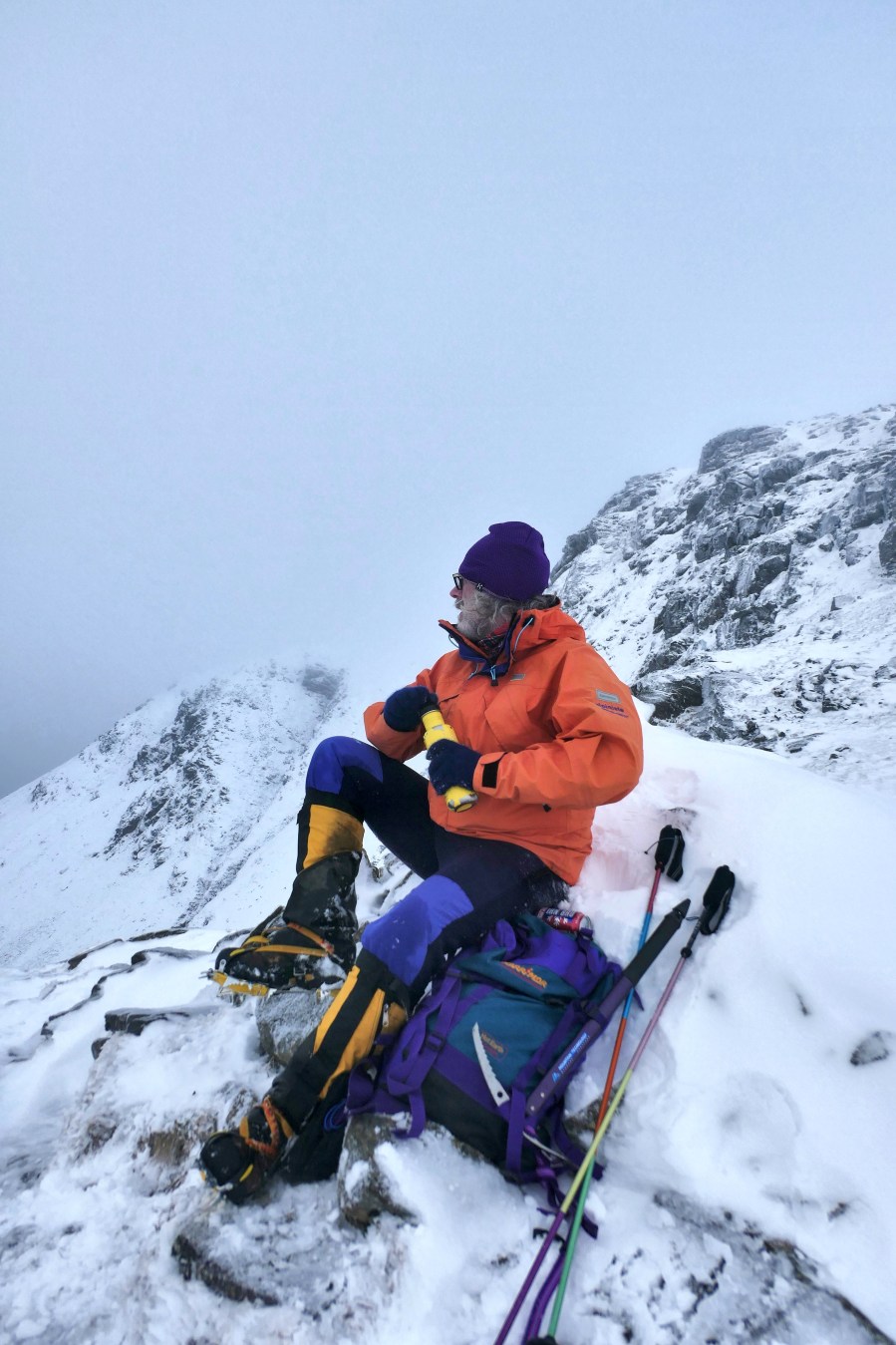
- Know when to cut corners. Some things – climbing rope, helmets, boots, waterproofs – can vary in condition and reliability if you buy second hand. On the other hand, books, baselayers, rucksacks, mid-layers and down / synthetic jackets are generally safe to buy used. Highland Ranger and TGO kit tester PTC kitted himself out head-to-toe for under £100, for example!
- Invest in maintenance. It’s the best way to stop your kit from breaking – see page 64 for tips on maintaining and repairing your old gear.
Accommodation
- Reach for the phone. If you’re booking a hotel, hostel or guesthouse, sometimes the best deals aren’t available online. “Most hostels now offer online booking, but if you have time to enquire by email or phone, you will sometimes uncover an under-booked gem,” says Sam Dalley of Independent Hostels. You can pick up a free 2026 Independent Hostels Guidebook here.
- Opt for self-catering accommodation. “Bring your own food or pick up locally-sourced ingredients to save money on eating out,” advises Sam “Preparing your own breakfasts in self-catering kitchens and eating together in communal dining rooms is also a great way to get chatting with fellow guests. There’s often free tea and coffee available, and some hostels also offer DIY breakfasts or have a spare food box if you’re travelling on a tight budget.”
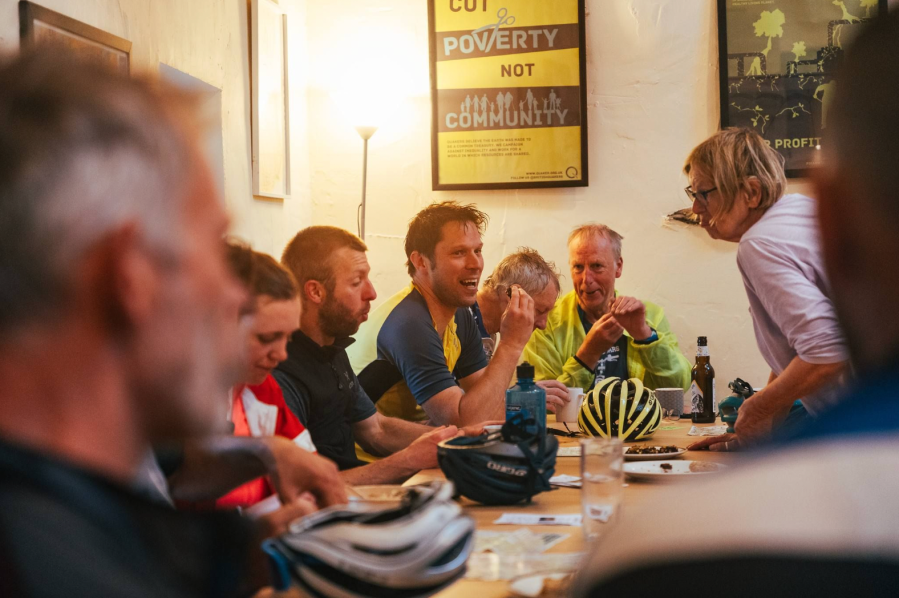
- Check for promo codes before you book. A quick search shows that Hostelling Scotland, for example, are offering 3 nights for 2 on all stays before 31st March with the promotional code WINTER25.
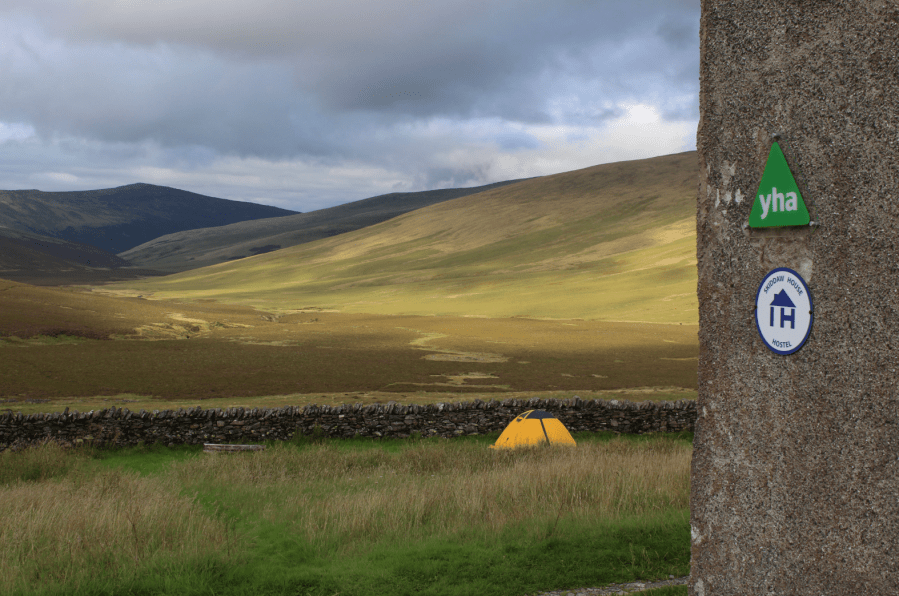
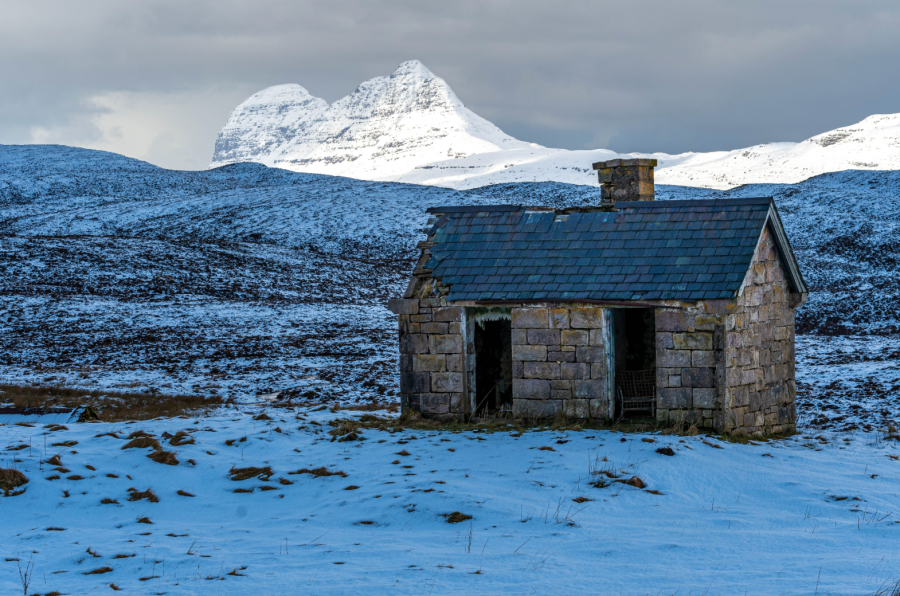
- Embrace bothying. “Can’t afford a tent? Try a bothy night instead,” says TGO editor Francesca Donovan, “but be prepared to walk back if there’s not enough room for you to spend the night – and make sure you follow the Bothy Code while there.” Some bothies can rival bunkhouses in terms of facilities – Claerddu Bothy, for example, even has a flushing toilet (the height of bothy luxury).
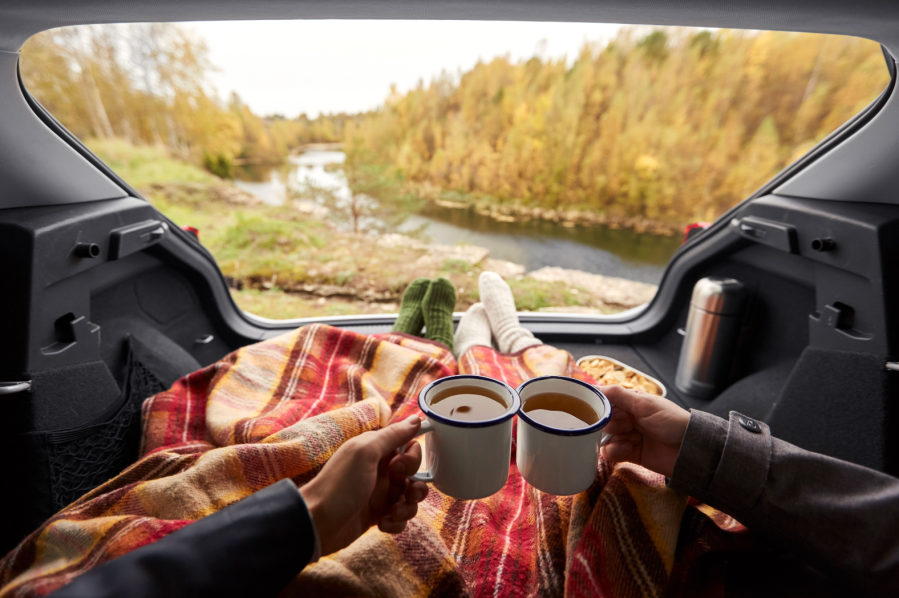
- Car camp. No campervan needed! Use heat reflectors cut to size and attached to the windows with suctions cups for privacy, and your most comfortable roll mat. Websites such as park4night.com will help you find places to park up and sleep cheaply or free.
- Swap or sit. While initially pricey, sites such as trustedhousesitters.com and homeexchange.com allow you to build long-term relationships with hill-based home-owners.
- Joining a local walking or climbing club. These often offer heavily subsidised stays in club huts – plus you can car-pool to save even more.
Transport
- Try car sharing. Mountain Rideshare (app.mountainrideshare.com) is a new Scottish car-sharing platform aimed at hillwalkers, skiers and anybody looking to access Scotland’s mountains on a budget.
- Get the right railcard. “Once there’s more than one person, I would invest in a Two Together or Family & Friends railcard,” says Drew Whitworth, who completed a Wainwright round using only public transport. The Trainline website (thetrainline.com) has a service which allows you to compare railcards and find the right one for your age and travel habits.
- Go by coach. Coach travel is one of the cheapest ways to make long-distance trips around the UK and beyond. Look out for offers from Flix Bus (flixbus.co.uk), which sometimes offers deals for as little as £3 each way.

- Buy train tickets in advance. It’s cheaper (which everyone knows) and often only costs a few quid to cancel when your plans change (less commonly realised). “Buying advance tickets reduces the cost though also the flexibility,” points out Drew; “however, my advice is just to leave plenty of time.”
- Compare prices from different local train stations. It can sometimes be worth driving or bussing a slightly longer distance to take advantage of cheaper prices. “For example, a return to London from my local station – Lewes – costs £33.30,” says TGO’s deputy editor Hanna Lindon. “But if I drive 5 minutes further to get to Uckfield (which is on a different line), the return costs £16.20. If I’m travelling to the Lake District, that’s a really decent saving on my tickets.”
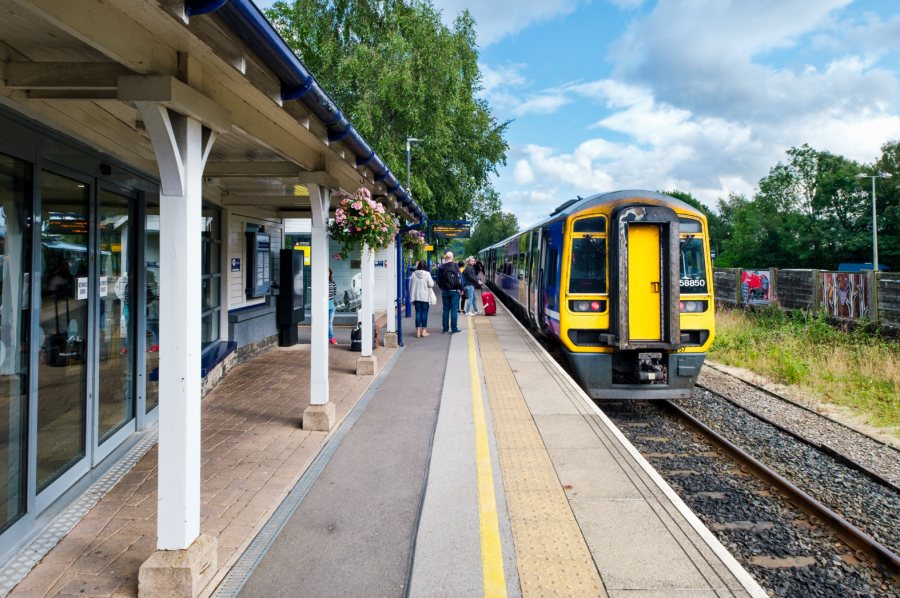
- Stay local. TGO editor Francesca Donovan says: “exploring your local area ultimately saves more money on travel”.
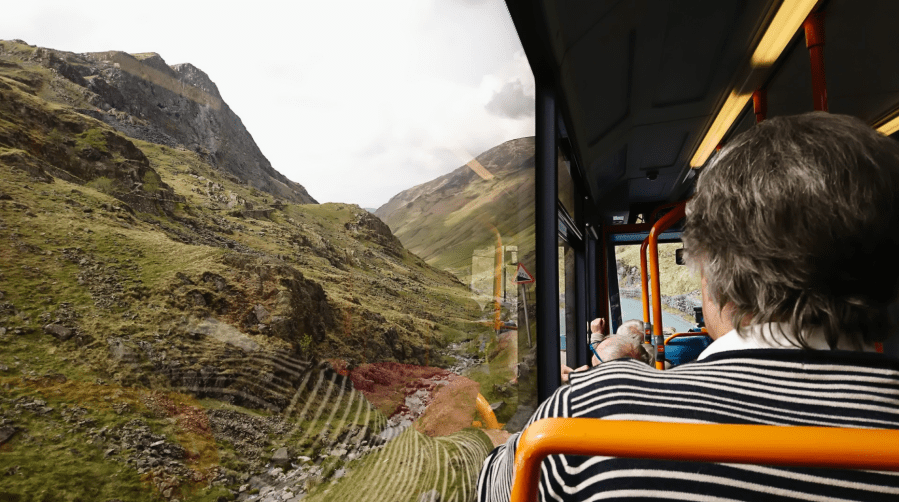
- Plan walks around rural bus services. Often that means picking your time and day carefully, due to the sporadic nature of rural services – but it’s worth it. Excellent hillwalker-friendly services include Stagecoach route 555 (‘The Lakes Connection’) which links Keswick, Windermere, Ambleside and Kendal; DaleBus, with its weekend and bank holiday services in the Yorkshire Dales; the Snowdon-circling Sherpa’r Wyddffa; and the T10 TrawsCymru service linking Snowdonia’s larger towns to its beauty spots. “Get bus information from bustimes.org — a remarkably useful site,” advises Drew. “Try to have information in advance as there’s no guarantee of a decent mobile signal up on the hills.”
- Save on parking. If you frequently park in upland areas, it could be worth taking out a membership with the National Trust (nationaltrust.org.uk) or Forestry England (forestryengland.uk) to reduce your costs.
- Use a fair-splitting app to cut train costs. TrainSplit, SplitMyFare and Railway Mission will all help you reduce the cost of a standard single or return train ticket.
- On your bike. Taking public transport and then using a bike to reach remote trailheads can be more cost-effective than driving.
Travelling overseas
- Avoid service stations. “If we’re driving to the Alps or Scandinavia, we’ll never stop at service stations,” says seasoned European traveller and adventurer Piers Arthur-Crow. “We look at the route in advance and try to find big supermarkets with petrol stations that don’t involve much of a diversion. It’s a far cheaper way to stock up on fuel and food.”
- Collect points to pay for travel. Tesco Clubcard points, Nectar points and Avios points can all be exchanged in return for ferry, EuroTunnel or plane tickets.
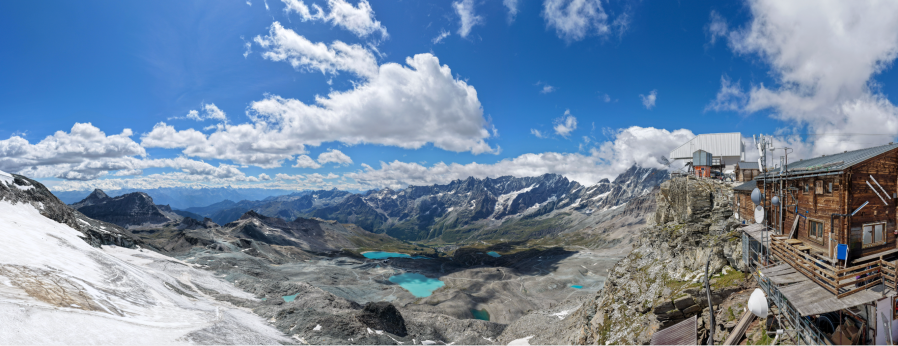
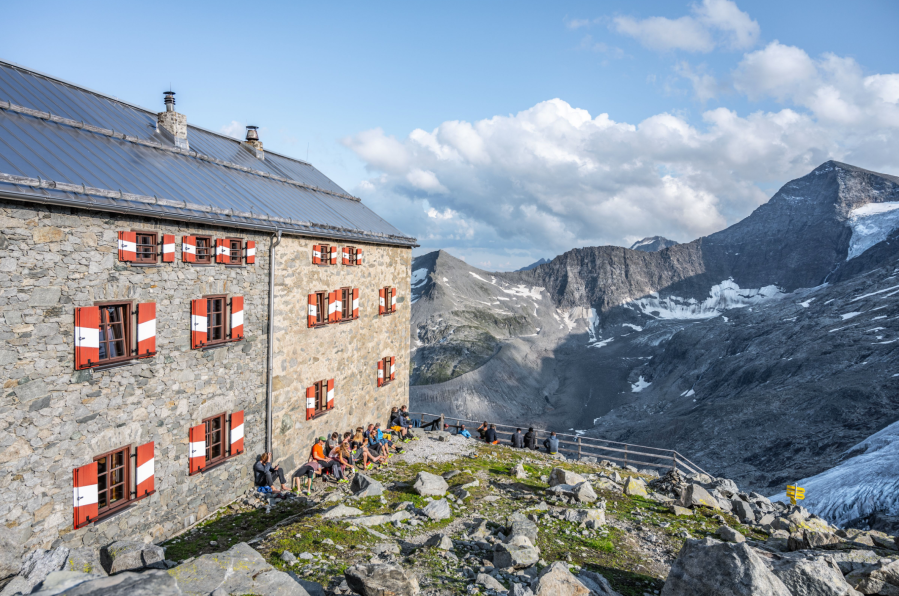
- Join a club. Depending on how often you use mountain huts, it might be worth joining a European alpine club. The Austrian Alpine Club (AAC), for instance, costs around £65 per year for standard membership and gives you discounts of at least €10 per night in beds across AAC huts and many German Alpine Club (GAC) huts. Swiss Alpine Club (SAC) membership starts at around £75 with 50% off overnight stays in SAC huts. And buying a BMC Reciprocal Rights Card on top of standard membership (from £82 per year for both) gives you access to 20-50% discounts plus plenty of other benefits (see below).
- Sleep on the hills, eat in the valley. Sleeping in a hut is cheap; eating in a hut is not. Consider packing dehydrated suppers / breakfasts and timing valley descents for lunch and snack stops.
- Pick a destination that supports free camping. “In Sweden, for example, every council runs multiple ‘badplats’ swimming places,” says Piers. “They have a bin and a toilet, a place to swim (hence the name) and most allow free camping overnight (though look out for signs). It’s all part of the Swedish “allemansrätt” (every person’s right) to access nature and camp with minimal restrictions, and it’s great if you’re road-tripping. We take a little bottle of Sea to Summit Wilderness Wash and just use the lake as a shower.”
- Night trains are cheaper in Europe. And will often deliver you right into the heart of the mountains, as in the case of the Paris – Briancon route. You’ll find an excellent map of European night train routes at back-on-track.eu/night-train-map.
- Compare the best exchange rates. Use a site such as travelmoney.moneysavingexpert.com (or get a travel-friendly credit card – they usually beat bureau exchange rates).
- Stay in unmanned huts. Many Alpine huts are unmanned and free to stay in during the off season. Provided your winter skills are up to scratch, it’s a great way to save on overseas hill trips.
Food
- Invest in a really good cool box. Or, alternatively, a car fridge. “Our car fridge has saved us a lot over multiple base camp trips,” says Piers. “It means we don’t have to constantly buy fresh, pre-packaged stuff, so it paid for itself pretty quickly.”
- Carry glove box snacks. They’ll save you a service station purchase when you’re heading home with the munchies.
- Plan routes that finish before the pub. Because who can withstand that kind of temptation?
- Pack non-squashables. Taking a banana on a wild camping trip? Kind of pointless. Only pack food that can withstand a bit of rough handling.
- Make your own dehydrated meals. According to Monica Shaw, who publishes her own recipes and tips at eatsleepwild.com, a dehydrator can both save you money long-term and improve your hill menu. “Chillis, tagines, Bolognese and daal all dehydrate really well,” she says. ““For snacks, you can make your own meat- or vegetable-based jerky, or combine dehydrated fruit like apples and bananas with nuts for trail mix.”
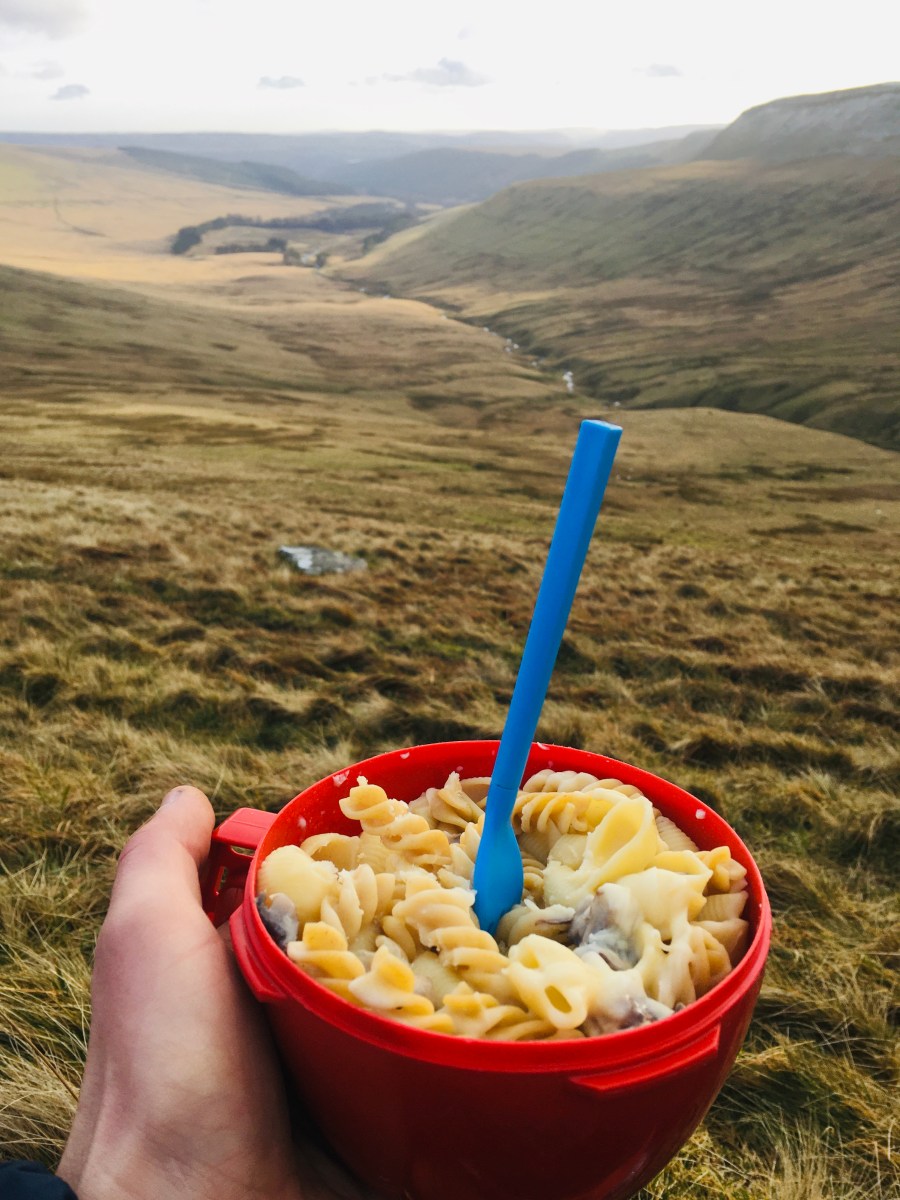
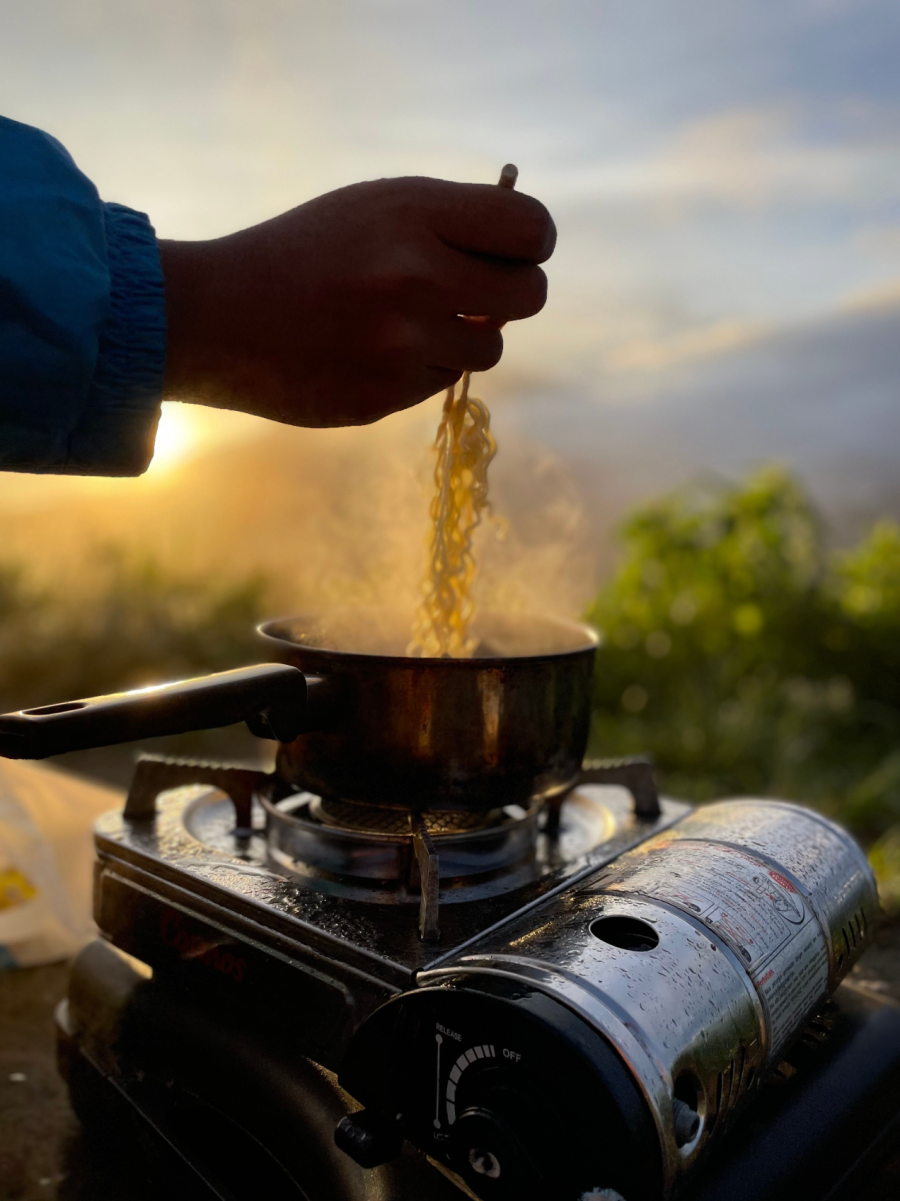
- Learn to love noodles. They’re cheap, filling, and they last for ages. Other cheap, lightweight and high-calorie options include instant porridge, tacos with powdered peanut butter, crackers and jerky.
- Learn the basics of foraging. It’s easier than you think – you’ll find a starter guide in the next issue of this magazine.
- Chips, not crisps. If you really want the pub experience, chips are usually the best value for calories. Can’t resist the draught ale? Ask for tap water as well – you’ll be able to hang out in the warm for longer without feeling awkward.
More tips
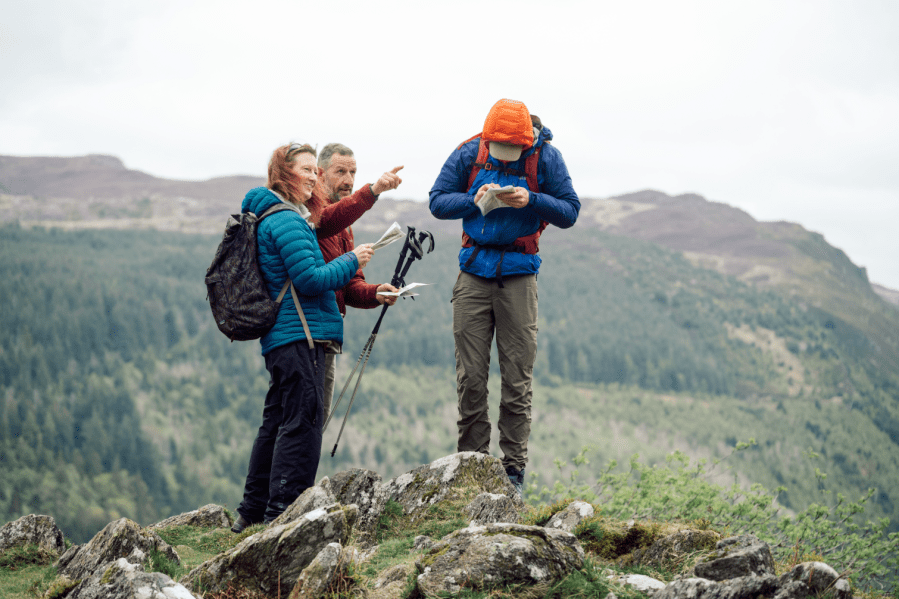
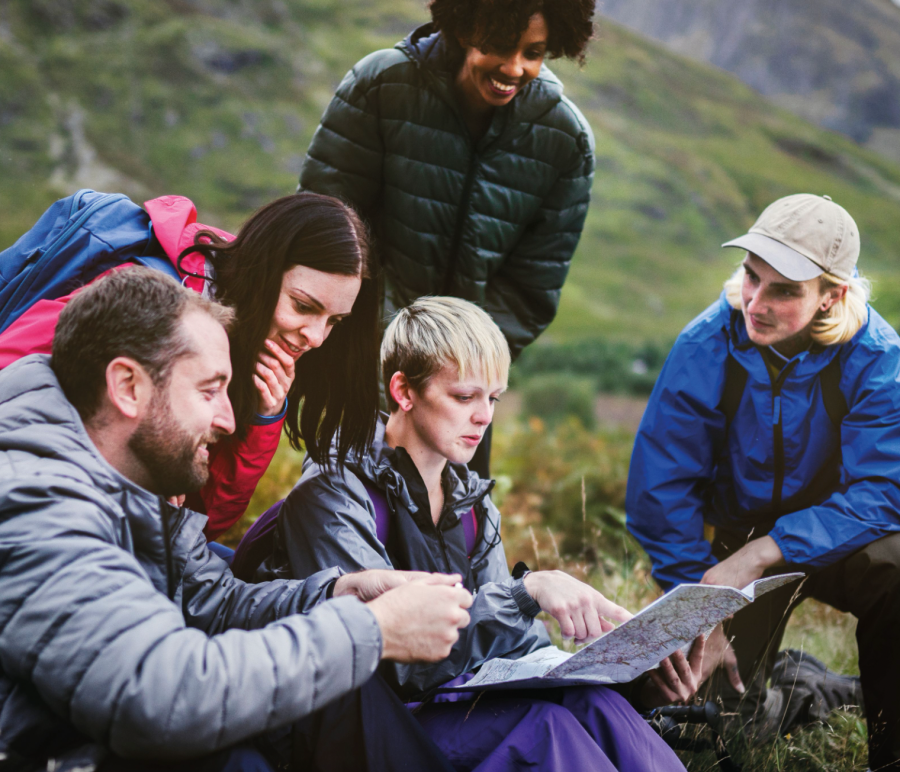
- Find your people. Making hillwalking friends isn’t just a nice thing to do, it can also mean shared savings in accommodation, transport and food. “Are the tickets for community hikes pricing you out of meeting new people outdoors?” asks Francesca. “Why not join a (free) trespass with Right to Roam or spend some time outdoors volunteering with Trash Free Trails or the BMC? Some walking festivals also feature free walks – check out the TGO events page for our pick.
- Take up a low kit requirement activity like swimming. “It gets you into new places for the price of a cossie (by far the cheapest singular bit of clothing kit I’ve come across),” adds Francesca.
- Use cash on walking trips. setting yourself physical limits can help curb impulse spending.
- Track your costs. Boring, but effective. If you know you’ll have to enter the cost of that pint in a spreadsheet when you get home, you’ll be more likely to opt for the chips-only approach.
- Apply for a grant. You don’t have to be a boundary-shifting explorer to get your plans funded – there’s plenty on offer for less ambitious adventures, including the Adventure Queens Grant, YesGrant, Trash Free Trails Purposeful Adventure Fund and the Adventure Mind grant.
- Investigate outdoor memberships. Some can save you money – BMC membership, for instance, gets you discounts for accommodation, courses, gear and hire; YHA membership includes 10% off stays plus low-cost gear (e.g. 20% off OS), and Ramblers membership offers 15% off many outdoor retailers.
- Over 65? Make sure you’re taking advantage of all the benefits. That doesn’t just include free bus travel – there are other bonuses, such as free or discounted rail travel across Scotland with a National Entitlement Card, free lift passes in areas of the Alps for over 75s, and even 10% off food at Iceland!
- Get cashback on everything. The best way to make your money work harder when buying anything from gear and guidebooks to insurance and accommodation. Join a site such as topcashback.co.uk to earn while you spend.