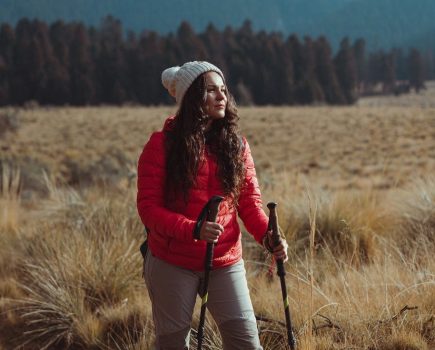

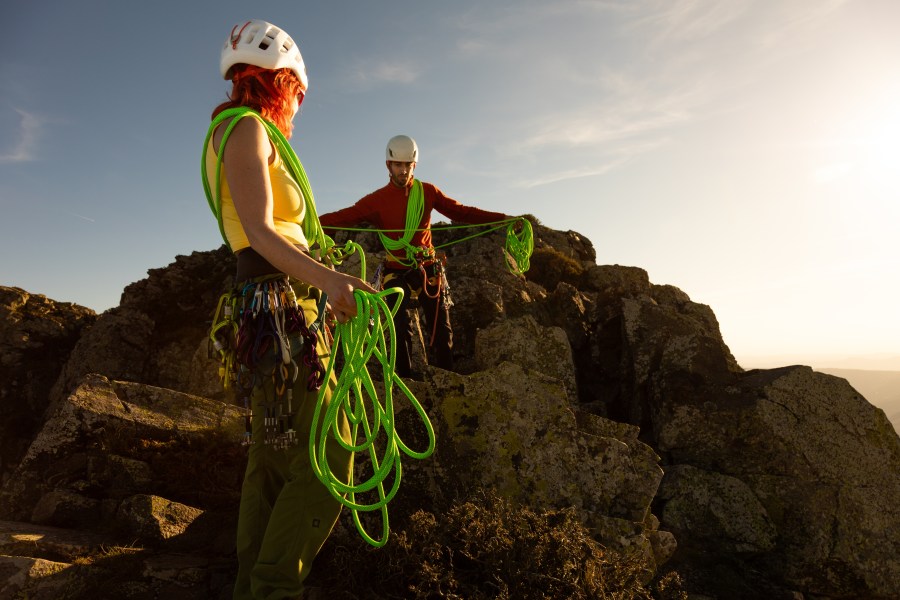
Main image: Could you climb the career ladder as an outdoors instructor? | Credit: Victor Guerrero Diez / Shuttterstock
What if you could spend weekdays bagging summits, tinkering with gear, wildlife watching or sharing adventure stories with others… and get paid for it? Retraining for a career in the outdoors might be the answer. Okay, you may never enjoy an Elon Musk-style income: “but if you can make your hobby your profession,” as Olympian Cadel Evans once said, “you never have to work another day in your life.” Although there are some roles you can segway into without a huge amount of prior experience, most will require re-training. Here, industry experts ranging from gear designers to ecologists share their advice on securing your dream job outdoors.
Gear design
Sam Stephenson, Head of Design & Development at Mountain Equipment
Most of the designers we hire come from formal design education. This is usually a fashion design, product design, or textiles-focused degree. Some take more specialist routes, such as Sports Technology at Loughborough or Sportswear Design at Falmouth, but most apparel designers still come from broader design pathways and then build outdoor expertise over time.
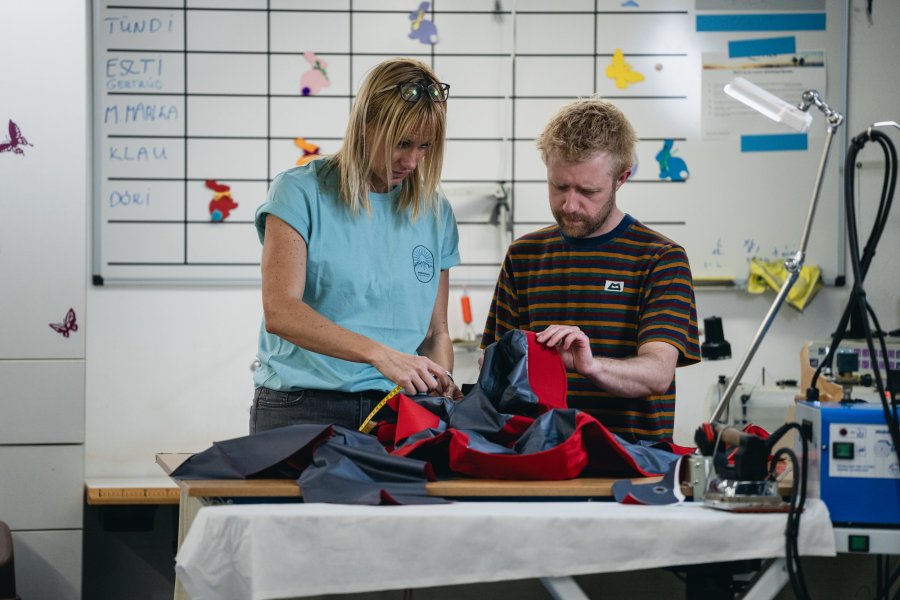
A grounding in pattern cutting, garment construction and materials is essential. An interest in making things, whether sewing clothing or modifying equipment, is very useful. However, I have rarely hired someone without some form of structured design training. The main challenge for fully self-taught designers is proving that they understand the wider considerations of design. This includes designing for a range of users, recognising that others’ needs may differ from their own, and understanding commercial and technical constraints.
When choosing a course, the most important thing is understanding its ethos and whether it aligns with your own interests. If a student is in a course where the tutors have a very different view of what fashion or design should be, it can be difficult for that student to express themselves in a way that is relevant to an outdoor brand. For example, a course that focuses heavily on fabric texture and couture influences will produce a very different portfolio than one centred on utilitywear, technical pattern cutting and performance textiles.
It is also important to recognise that design is only one part of the product creation process. Fabric technologists specialise in material development, which is fundamental to performance garments. Garment and equipment technologists work closely with designers and factories to realise design intent, which requires imagination, strong communication, and attention to detail. Merchandisers manage raw materials and production schedules and often come from business or logistics backgrounds rather than design.
There is also a growing need for machinists working in repair and refurbishment. This type of role may come through an apprenticeship rather than a degree.
All these roles contribute to how performance products are created, and multiple entry points depend on a person’s skills and interests.
Access & conservation
Robert Rhodes, Head of Countryside Management and Rangers at the National Trust
There are two main routes into the ranger profession. One is via an apprenticeship scheme; we offer about 15 places a year to people with no experience who want to get started in a career in nature conservation. The other route is via a college or university qualification in a related land management or conservation subject. Our entry level ranger roles attract a broad group of people, and it is a great career for those who love the outdoors.
And the National Trust Apprenticeship Team says: For apprenticeships in countryside, applicants don’t need any prior qualifications or experience (other than an E/1 at GCSE in Maths and English typically), just bags of enthusiasm! We are going live for roles in April next year and will be advertising online.
The apprenticeship runs from September to February (18 months duration) and we work with a northern and southern college in England and one college in Wales. There is currently no programme available in Northern Ireland. We pay national living wage for all our level 2 roles and go through a competitive process to select sites to host, so we can ensure a great experience for our apprentices.
Steve Gaskell, Head of Rangers, Lake District National Park
The Ranger Service at the Lake District National Park Authority is a multi-disciplinary team. Area Rangers are our first point of contact with our communities and partners in the national park, and their role is to facilitate and engage with others to deliver projects that support the vision for the national park. Our Rangers and Field Rangers deliver practical work that maintains and enhances the environmental and recreational fabric of the national park. We also have Project Rangers, who lead projects across the park, and Lake Rangers who engage with lake users to promote safe enjoyment on the water.
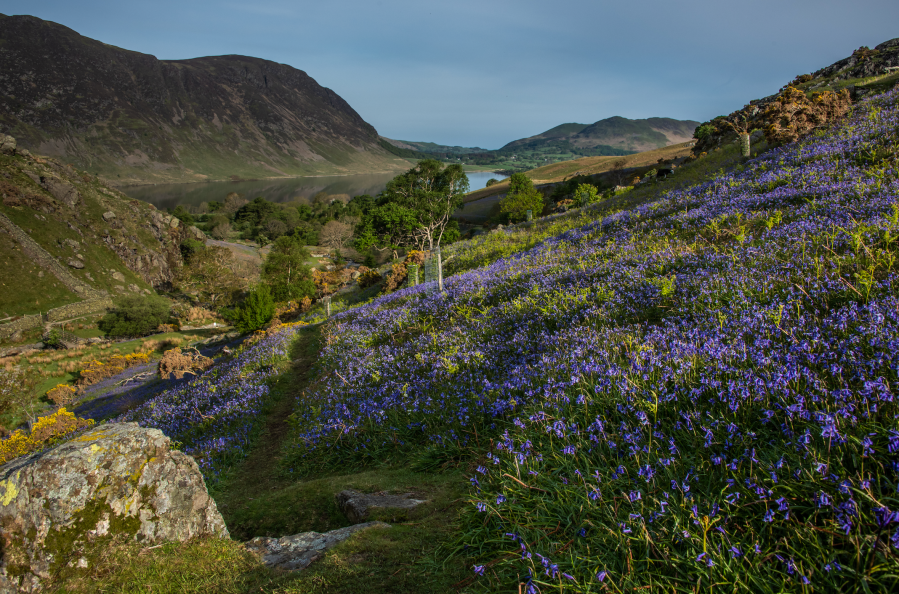
For the Ranger and Field Ranger roles (the more practical roles), we look for people who are great team players, have good written and verbal communication skills, and the ability to identify, plan, organise, budget and deliver countryside management projects. We would also be looking for people who have a proven ability to deliver practical solutions to problems on the ground and have good knowledge and experience of land management skills. It is also very useful for people to have the ability to work with and motivate volunteers and apprentices, alongside an awareness of health and safety and the ability to work successfully alone or as part of a team – in all areas of the national park and in all weathers!
Lucy Ford, Ranger Service Manager, Cairngorms National Park
There are a number of qualities we look for in our seasonal rangers are individuals who are passionate about connecting people to the nature of the Cairngorms National Park. These individuals need to be excellent communicators, friendly and approachable with the ability to engage in a positive, clear, persuasive manner and able to encourage individuals to experience the national park in a responsible way.
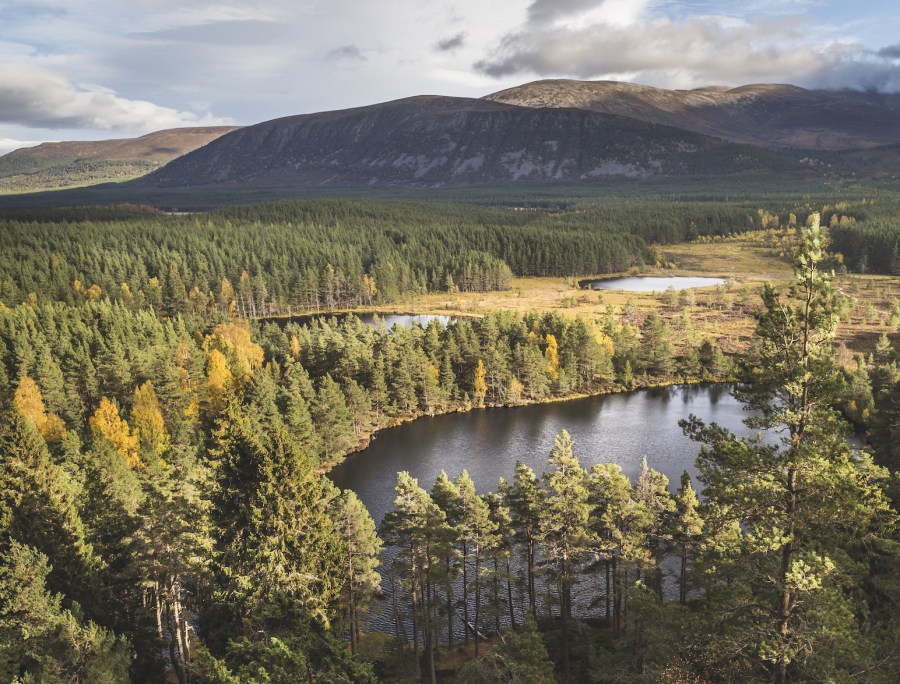
Previous experience of working with the general public in an outdoor environment is essential but much of the knowledge and skills of the job can be learnt through the support and mentoring from the wider countryside ranger team.
Simon Roberts, Senior Warden (North), Eryri National Park
At Eryri National Park Authority, our Wardens are experienced, knowledgeable professionals who play a key role in safeguarding the National Park’s landscapes, habitats, wildlife and cultural heritage. Each Warden is responsible for a specific area of Eryri, developing local expertise and working closely with landowners and land managers to address access, conservation and visitor management issues efficiently and effectively.
We look for candidates with a strong background in countryside management – typically a HND or equivalent in Land Management or a related subject – or substantial relevant experience. Practical experience in access, recreation and conservation work is essential, as are strong communication, negotiation and relationship-building skills.
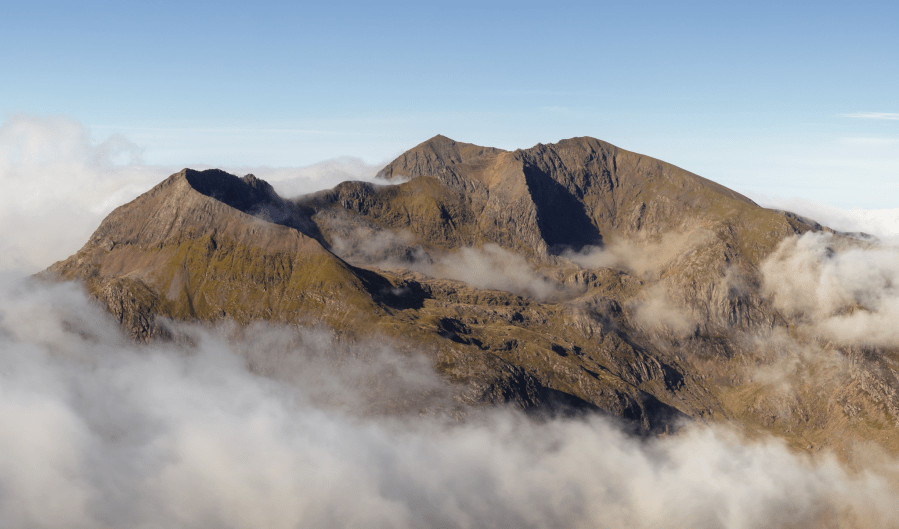
Many of our Wardens bring mountain skills, knowledge of outdoor activities, and experience of working with communities, volunteers or schools. Welsh and English language abilities are also crucial for communicating effectively with local residents and visitors.
Our Wardens deliver a wide range of duties, from maintaining paths, rights of way and Authority-owned sites, to leading guided walks, monitoring habitats, supporting public safety and promoting responsible behaviour through the Countryside Code.
Above all, we look for motivated, passionate individuals who are committed to Eryri’s sustainable future, capable of working both independently and as part of a team to help people enjoy, understand and care for this special place.
Leading & coaching
Nicola Jasieniecka-Evans, Mountain Training
Leading is not a regulated industry, so qualifications aren’t a legal requirement, but it is a legal duty to be competent in your role. If there’s a challenge and you have to defend yourself in court, you would need to prove your competence. And having a qualification is the easiest way to do that.
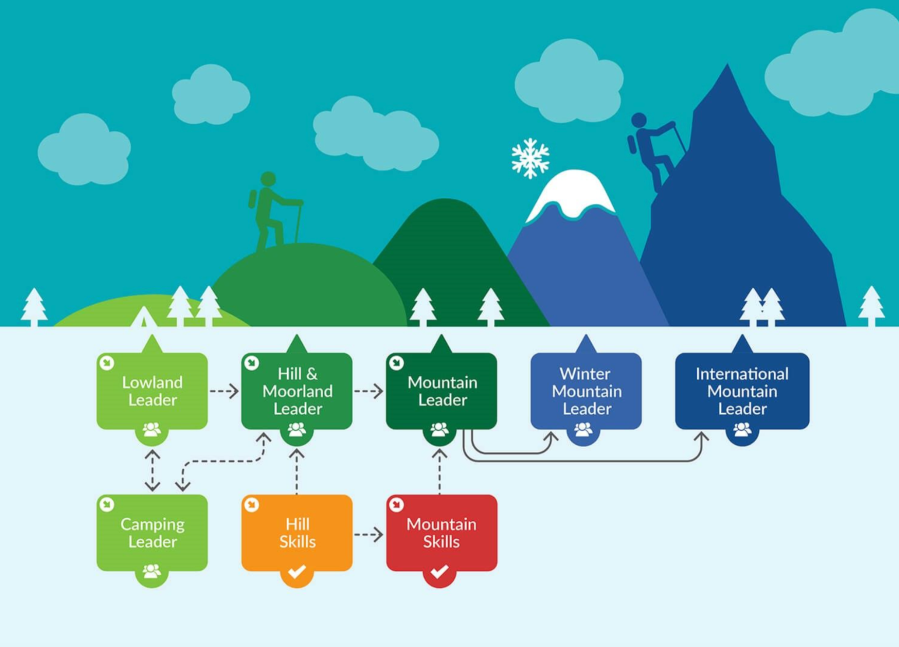
Mountain Training is the awarding body for qualifications in climbing and walking leadership in the UK and Ireland. We were founded in 1964 and to start off we just offered Mountain Leader, but now there are many other qualifications available. There are separate pathways for walking and climbing qualifications. These are partially progressive; A Winter Mountaineering and Climbing Instructor aspirant, for instance, must already be a qualified Mountaineering and Climbing Instructor and a Winter Mountain Leader – see the infographic below.
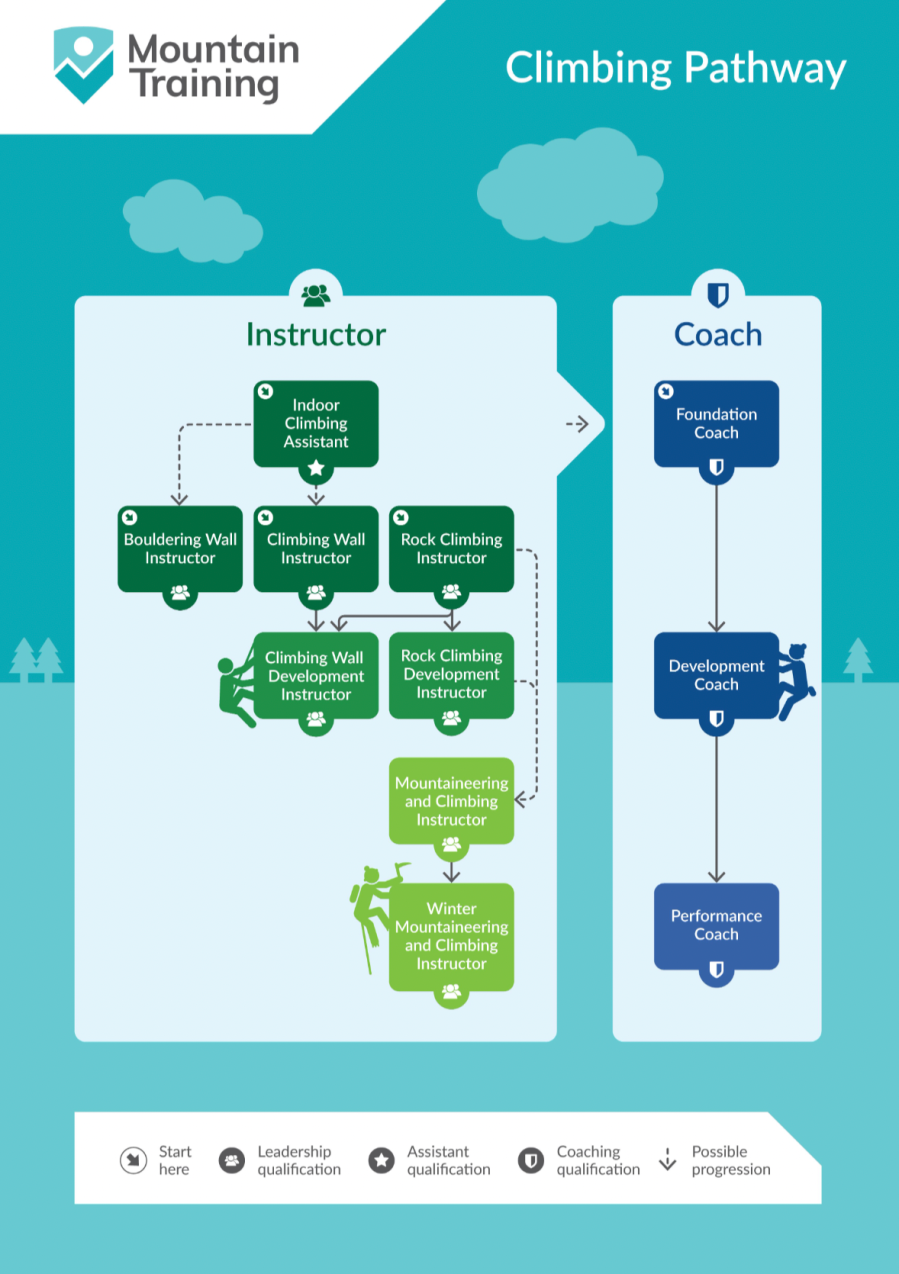
The question we spend a lot of time helping people answer is where to start. I think there are two different ways to approach that question: One is ‘what experience have I already got?’, and the other is ‘what do I want to do with a qualification?’ There’s not really a right way to do it: both work. The challenge of the second approach is that you do have to go and get that experience, because experience is the underpinning basis of our qualifications. You can’t shortcut it.
It used to be the case that many newly qualified leaders went on to work for outdoor centres. But the number of outdoor centres – certainly the ones run by local authorities – is diminishing. So a lot more people are becoming freelancers.
Ecology & nature restoration
Karen Sinclair, People Manager at Trees for Life
We are taking collaborative and pragmatic steps to rewild the Scottish Highlands. The key to rewilding’s success is people. Just as biodiversity enhances ecosystems, diverse people enrich our sector and help us take bolder, more impactful action for nature. We’re committed to building a diverse and inclusive team, and we know that skills and experience come in many forms. The right mindset, attitude, and ability to develop skills are just as important to us as ticking every box. If people are excited about the role, meet most of the core criteria and feel they can make a meaningful contribution – we encourage them to apply.
Our employees have different backgrounds and experience, and we look for candidates that are passionate about restoring nature.
We have qualified ecologists and similar experts on the team, covering different aspects of our work from habitats such as the Caledonian pinewoods through to species reintroductions. While our work includes conservation (e.g. in terms of protecting existing habitats or species) it is more broadly rewilding, i.e. large-scale restoration of biodiversity. Rewilding and conservation go hand-in-hand.
For those working on-site in ecology and nature restoration, we look for candidates with ecological credentials with significant experience in field surveys, methodology development, undertaking research and communicating technical information to diverse audiences.