
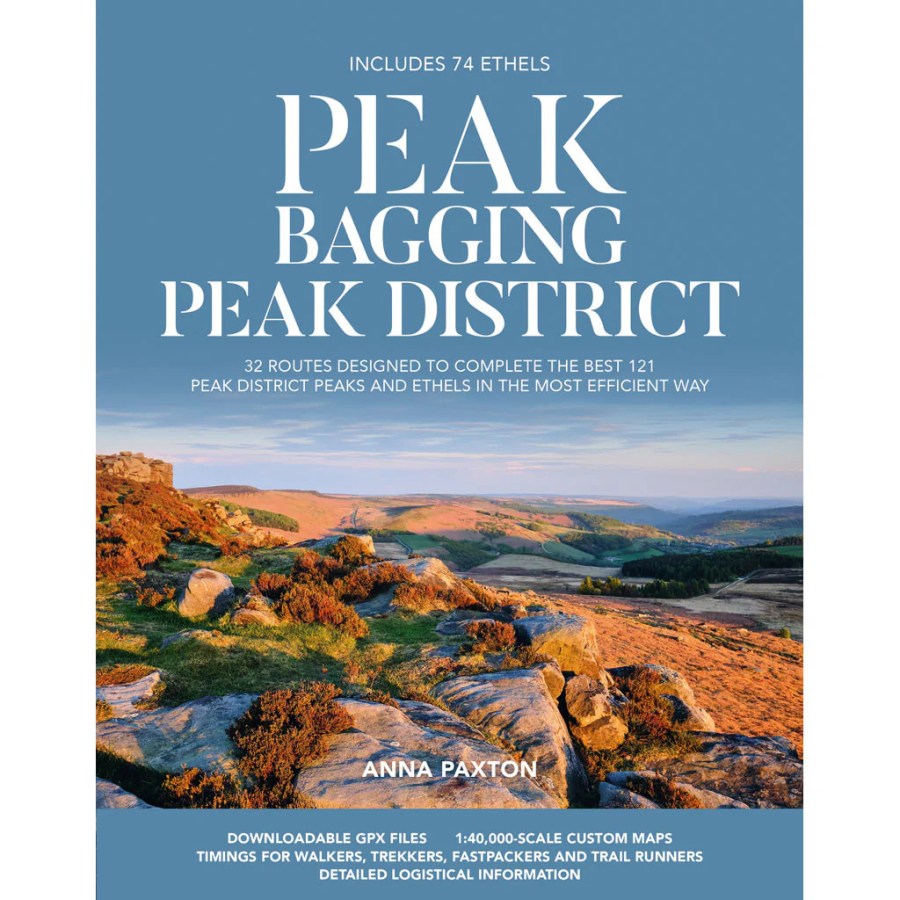
In Peak Bagging Peak District, Anna Paxton has compiled and mapped 32 routes designed to walk ‘the best 121 Peak District peaks and Ethels in the most efficient way’. Efficiency and hillwalking don’t necessarily go hand-in-hand. I myself prefer to take my time rambling through the landscape, getting to know it intimately. But for those with limited time, perhaps using the Peak District’s many public transport hubs to visit for sporadic escapes, this guidebook is a helpful companion and will ensure you can make the most of your time outdoors in our first national park. I’m biased because I’ve chosen to call our first national park home, but the Peak District is an underrated hillwalking paradise – if you know where to look.
Much like the Munros in Scotland and the Wainwrights in the Lake District, the Peak District has its own list of summits known as The Ethels – a series of peaks, generally over 400 metres, named after environmental campaigner Ethel Haythornthwaite, who was instrumental in establishing the Peak District as the UK’s first national park in 1951. It’s also peppered with Ordnance Survey triangulation pillars to bag, if that’s your cup of tea.
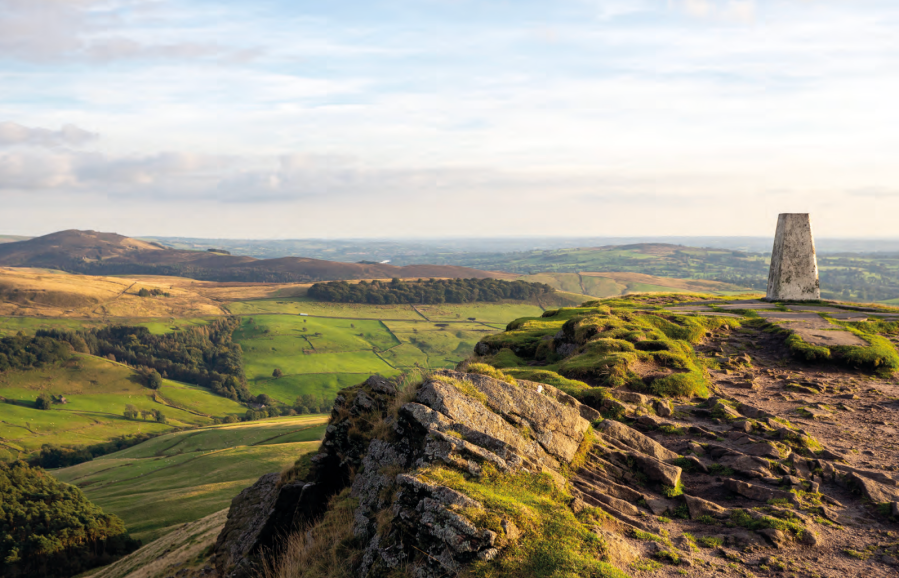
This guidebook from local hillwalker Anna Paxton includes mapped walks to the 74 Ethels located within the Peak District National Park boundary that can be accessed via public rights of way, and other prominent viewpoints, notable landmarks and publicly accessible trig points. There is also a list of those not included due to locations on private land. Paxton doesn’t mention respectful trespass or contacting the land owner for permission, which is a common practice among seasoned trig baggers.
Likewise, the Peak District’s expansive plateaus have become favoured for backpacking and the camping that multi-day hikes sometimes necessitates. While Paxton does touch on the Countryside Code, I personally would’ve welcomed a more nuanced nod to the Right to Roam movement in England and Wales.
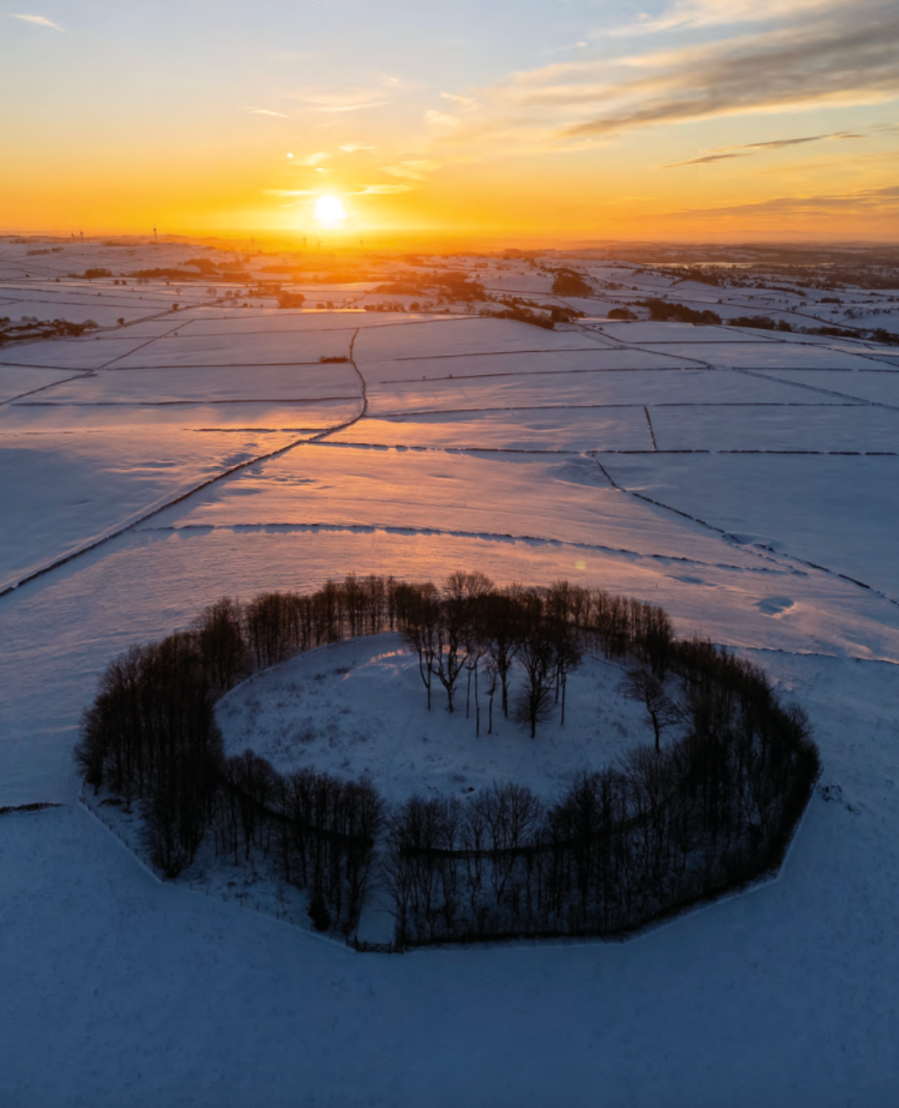
The 32 ‘time-efficient’ routes often include more than one summit or site of interest, making each a grand day out. They are also helpfully divided into three sections: the Dark Peak, White Peak and South-West Peak, with further divisions of the Dark Peak into North, Central and South, reflecting the varying geography and charm of those areas. There’s a slight favouring towards the Dark Peak in terms of the number of routes, but that’s understandable given the elevation gains and public transport hubs available. The often-underrated White Peak is still represented well.
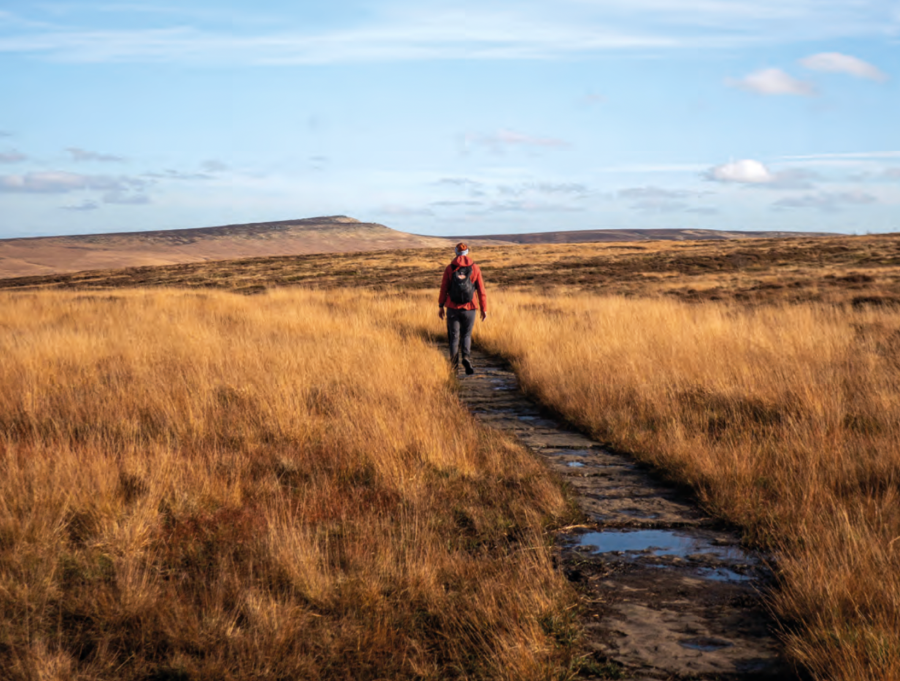
Accompanied by artfully shot landscapes illustrating the environs through all four seasons, this sits somewhere between a guidebook and coffee table book. It’s too bulky to take out with you for reference, but this isn’t really an issue as the routes are designed as day walks for which you can download GPX files.
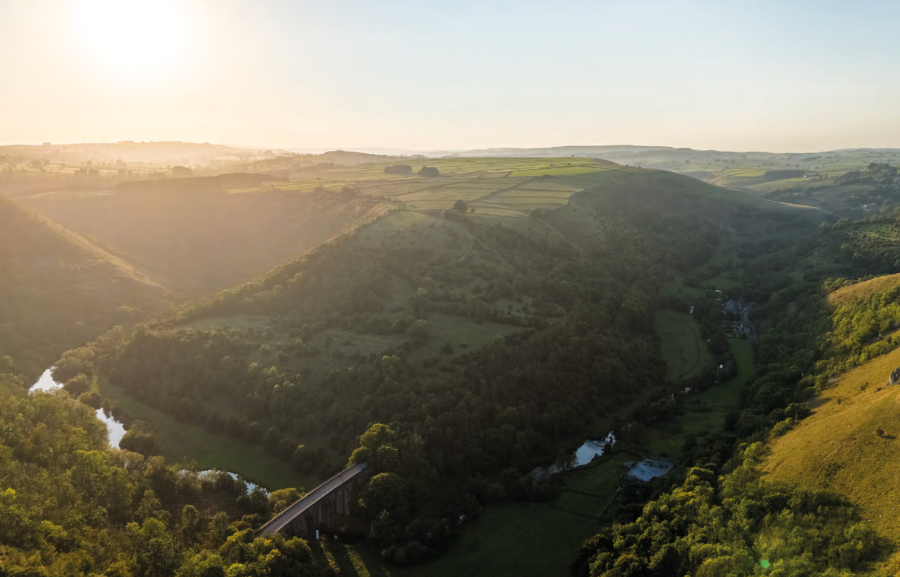
Each should take approximately eight hours or less to hike, says the publisher, with the longest route (The Great Ridge) being 24 kilometres and the shortest (The Dragon’s Back) being 11.5 kilometres. I was surprised, given the focus on efficiency, to see The Edale Skyline circular and the 9 Edges linear challenge omitted as these big mileage walks can be undertaken in a day.
Once you’ve selected your route, you’ll notice that each offers detailed further information on parking, public transport and refreshments, an elevation profile, timings for walkers, trekkers, fastpackers and trail runners as well as a detailed 1:40,000-scale route map.
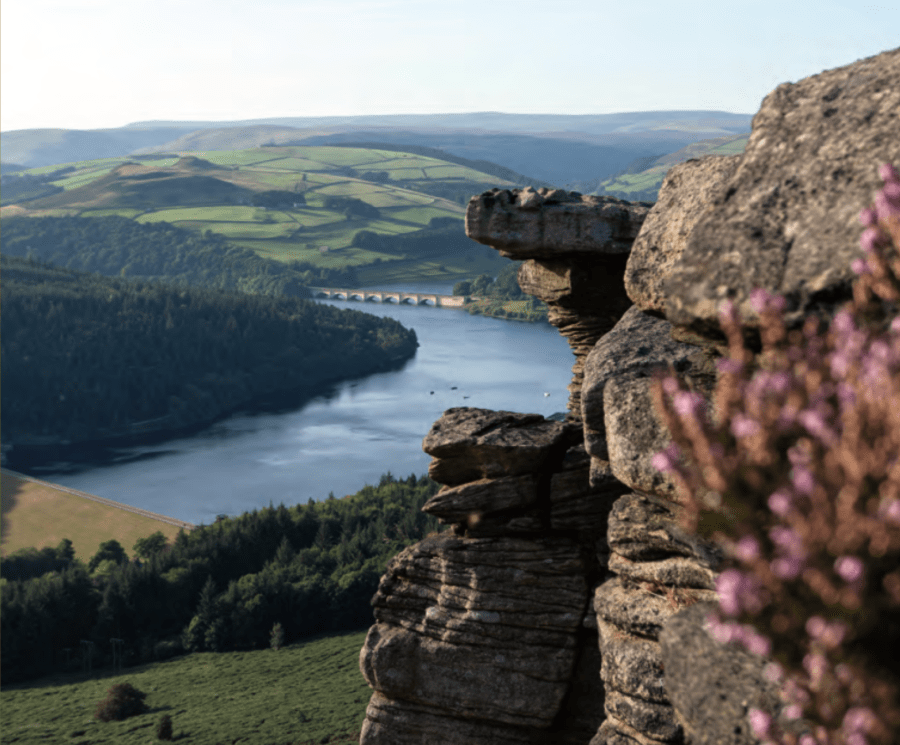
Paxton said: “While every route is rewarding in its own right, each summit forms part of a bigger picture that reveals itself the more peaks are visited. I found that walking these routes and spending time looking at the views brought new perspectives on familiar places, piecing together the incredibly diverse and beautiful landscapes of the national park and my small place in it.”
She added: “I hope you enjoy walking the routes in this book as much as I enjoyed creating them, and that, like me, the more of the Peak District you discover, the more you love it.”
Indeed, we’ve seen the park put under extreme pressure from tourism in recent years, largely concentrated on hotspots like Mam Tor where funding hasn’t caught up enough to build the infrastructure to cope. Guidebooks like this are a great first step to spreading the load across these magnificent hills, unburdening those places we often see overused on tourism board adverts and social media sunrise shots. Paxton’s guidebook is an excellent springboard to getting to know our first park more deeply and enjoying some excellent days out.
Peak Bagging Peak District by Anna Paxton is published by Vertebrate (£22).
When contributors to The Great Outdoors aren’t out walking, some like to relax with a good book. Read their outdoor book reviews and discover your next adventurous tale.