

Innovative thinking runs in the genes at Grubs Boots. The family business can trace its antecedents back to 1776 – and the design flair it still prides itself on today has been there right from the very start.
“It was my great-great-great grandfather, Samuel Foster, who first began making cricket bowling boots with spikes in,” says Grubs CEO David Foster. “He was based in Nottingham from the early 1800s, and he became locally famous making these boots for the Nottinghamshire cricket team.”
Chariots of Fire
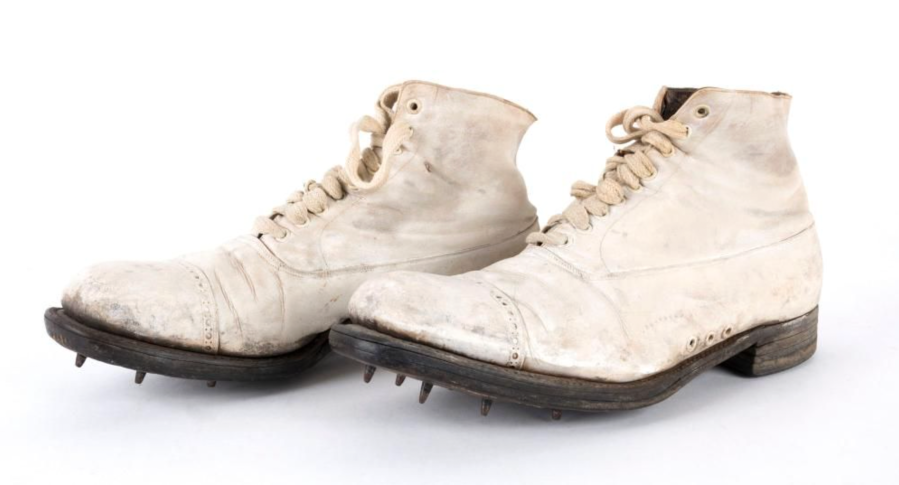
Samuel’s grandson, Joseph William Foster, was a keen runner, and a founding member of both Bolton Harriers and the northern branch of the Amateur Athletic Association (AAA). He saw how successful the use of reversed nails had been on his grandfather’s cricket boots, and decided to test the principle on shoes for his running friends.
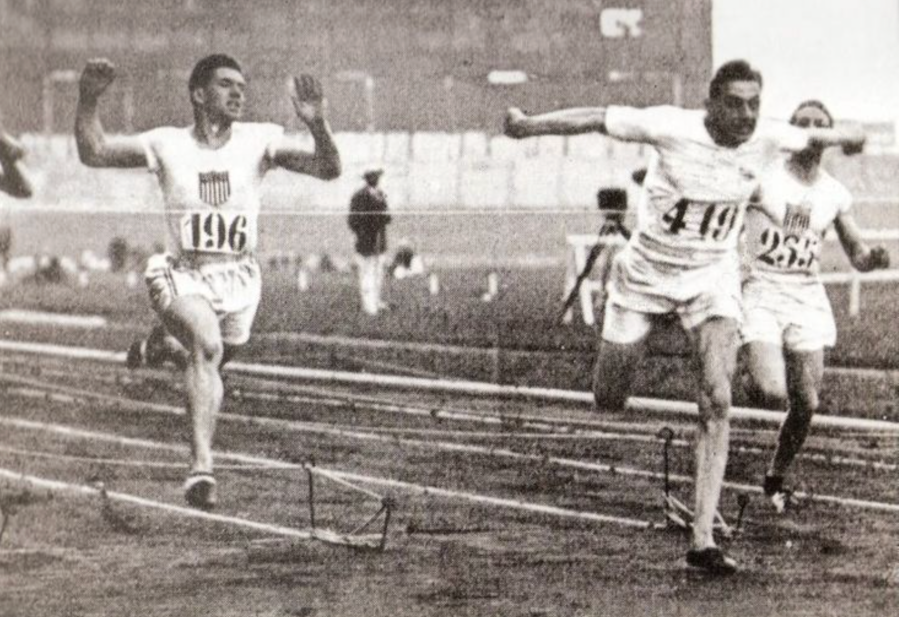
These new spiked running shoes were an instant hit. So much so that they were worn in the 1924 Olympics by Eric Liddell and Harold Abraham – the pair immortalised in Chariots of Fire. “When you watch that famous opening scene of them running along the beach, my great-granddad actually made the shoes!” says David.
In the years spanning World War Two, the Foster family sold their now-legendary shoes all over the world. But change was coming. When David’s uncle was sent to Germany on National Service after the war, he discovered new technologies that were transforming footwear design.
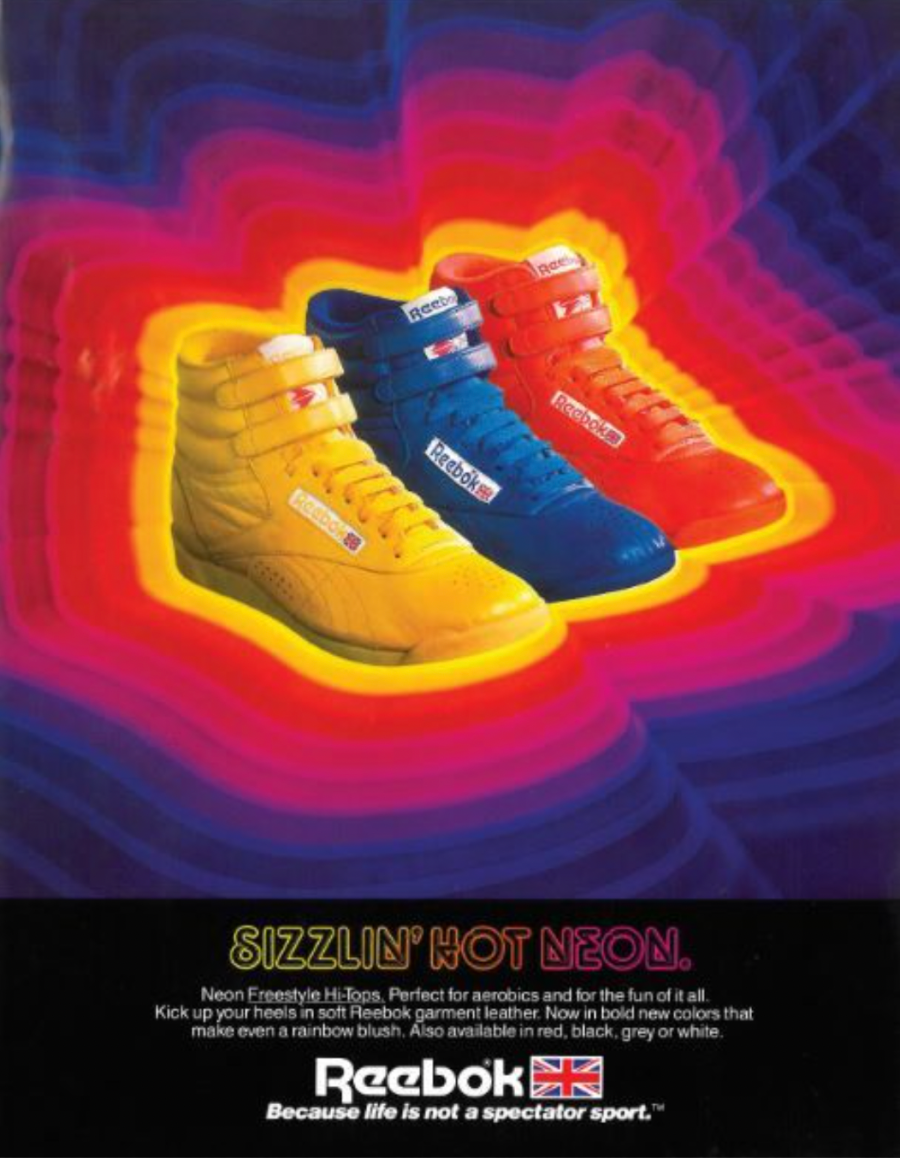
“He spent two years out there and came back bursting with innovation,” says David. “He said to my granddad: ‘Dad, you’re doing it all wrong! There are these companies called Adidas and Puma, and they don’t stitch the soles onto the bottom of shoes; they glue them. And they use marvellous lightweight materials like nylon!’ His dad said: ‘that’s nice, but we’ve been doing it this way for 100 years and we’re going to carry on’. So my uncle moved down the road to Bury, taking my dad with him, and they founded Reebok in 1958.”

Birthplace of brands
David describes his childhood as “Reebok, running shoes and muddy fields”. He spent school holidays folding catalogues and cementing insoles. By the time he was 17, he was working for his dad as a designer. “That was 1983, and Reebok had just gone into aerobics. So I spent my childhood making running shoes and my teenage years working on aerobics shoes and tennis shoes.”
Reebok was bought out by the American distributor in 1984. David continued designing for the company for a while before moving onto roles with Clarks and Karrimor.
He eventually set up as an independent design consultant, testing his creative flexibility on everything from retro tennis shoes for Fred Perry to Barbour wellingtons. From there, it was a natural next step to the founding of The Original Muck Boot Company and Grubs – a duo designed, says David, to be “both the number one and the number two brand on the market”.
A family affair
True to the Foster tradition, Grubs is a family affair. “I draw the pictures by hand, turn them into products and look after the manufacturing,” says David. “Jan, my wife, looks after logistics and holds the purse strings as financial director. My middle daughter Abigail works as head of UK sales. My eldest, Rachel, worked for us before heading off to be a geography teacher. And Bethany, the youngest, joined us four years ago as our online sales specialist and started to shadow me this year – we do a lot together on the development side.”

While Muck Boot has remained largely focussed on its founding principle – to revolutionise the wellie boot market by “building a rubber boot the same way we’d build a hiking boot”, Grubs has steadily been building a reputation for mountain-going performance. Each boot is made by hand, with separate pieces of rubber applied layer by layer before the different sole technologies are added on top.
“The boot consists of a nylon face fabric, neoprene – an excellent insulator with lots of small, closed-cell holes – and a super-dry lining made from polyester, which is there to wick moisture away from your foot,” David explains, “followed by insulating layers made from two faces with a connecting fabric, which trap air molecules in the same way as a sleeping bag, and finally a layer of fleece. That will keep you comfortable all the way down to -40°C.”
Bearline get a grip
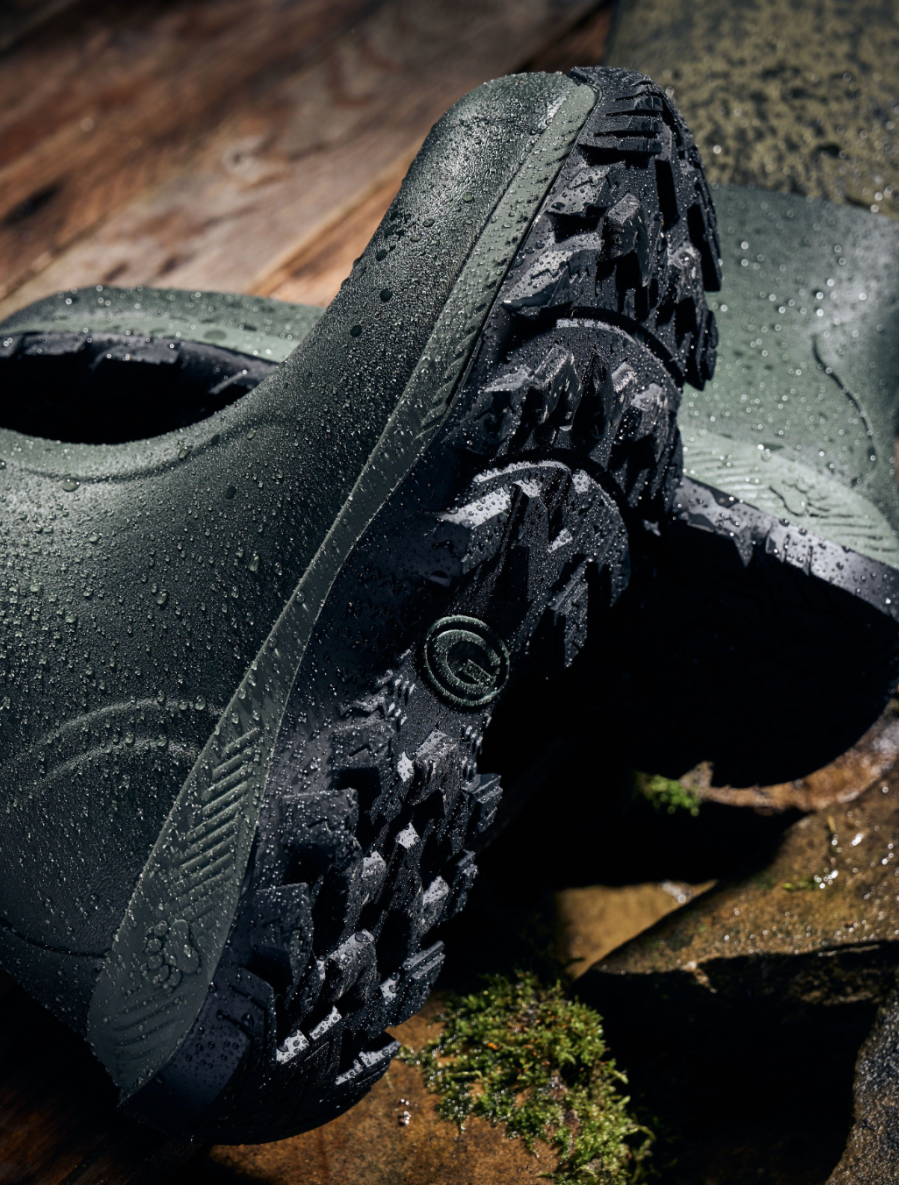
The latest Grubs boot is the Bearline. Three years in the making, it uses sole technology inspired by a bear’s paw to give unparalleled grip on wet surfaces. Combined with an inner sole that uses the same materials found in high-end running shoes, the Bearline delivers what David describes as “a level of comfort and performance for winter walking that leaves everybody else’s boots in the dust (or in the water!)”
It’s a long way from reversed nails in cricket boots. But the Bearline owes its existence to more than 200 years of design innovation from a family who continue to pass their passion for footwear on through the generations.
Learn more at grubsboot.com