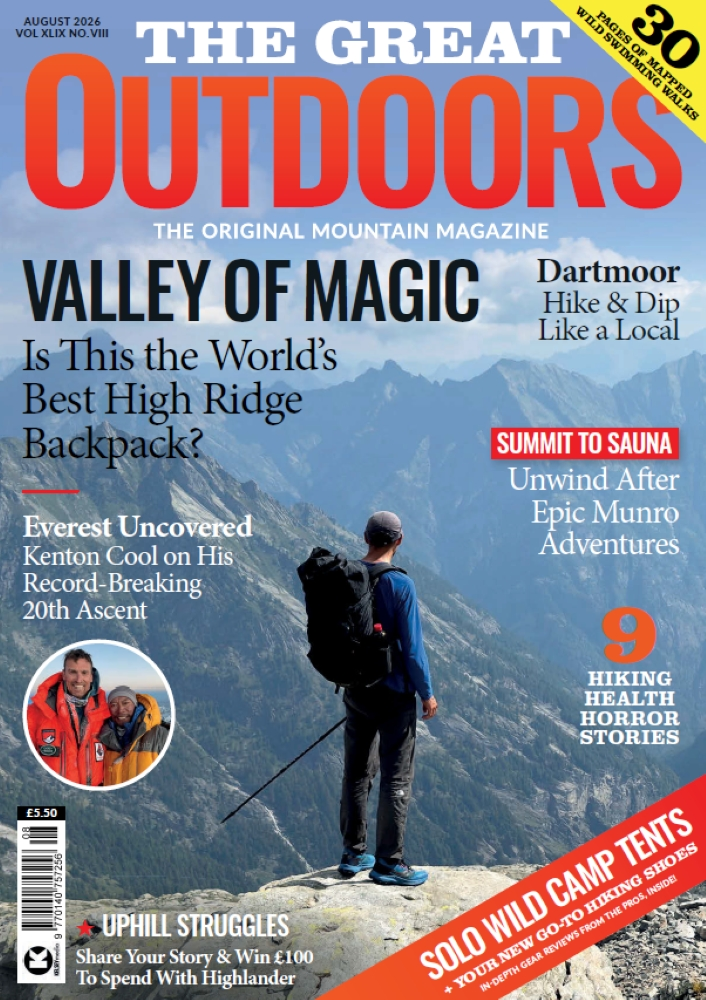

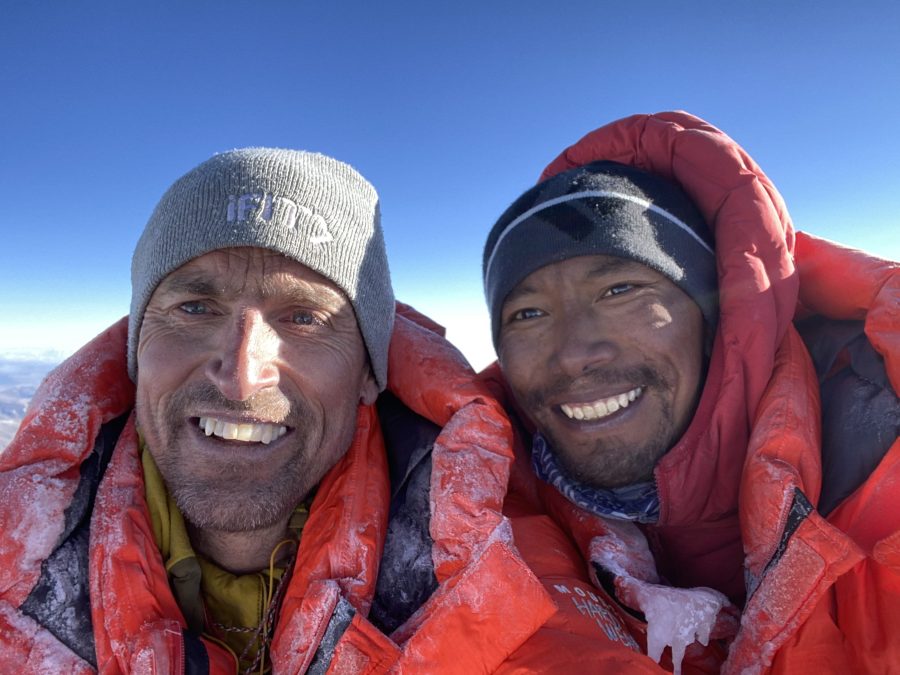
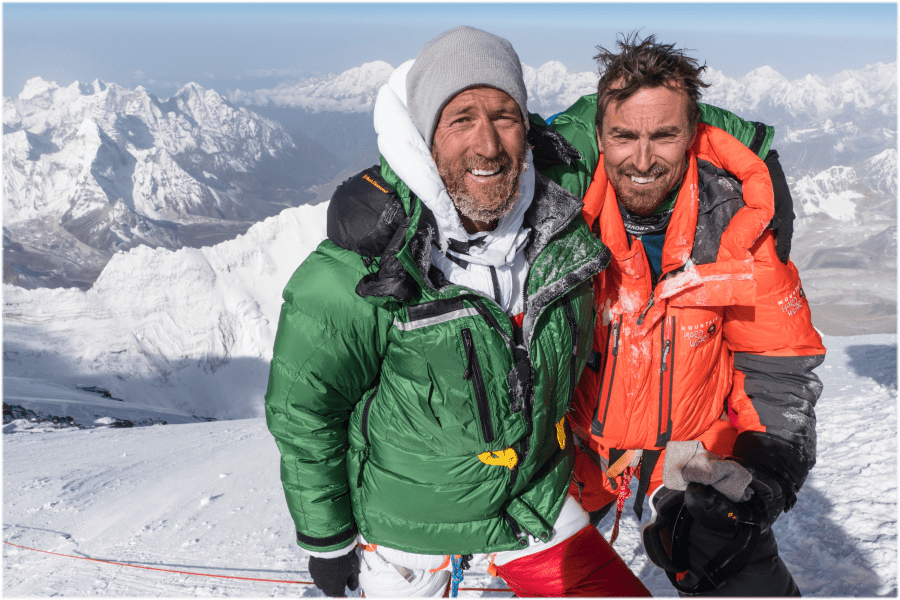
With 19 ascents of Everest under his belt, Kenton Cool already holds the record for the most summits by a non-Sherpa. This spring, 22 years after first setting foot on the mountain, he’s attempting to break his own record with a 20th ascent. He does so alongside Dorjee Gyelzen Sherpa. Together, they represent one of the oldest active climber/Sherpa pairings still guiding and summiting, and with Gyelzen attempting his 25th ascent, they have born witness to the shifting sublime of Everest – known as Chomolungma meaning “Goddess Mother of the World” in Tibetan and Sagarmatha, meaning “Goddess of the Sky” in Nepali.
Climate change, human traffic and technological advances have all impacted the experience of climbing Everest – and the landscape itself – over the past two decades. Kenton’s near-annual visits have allowed him to observe, first-hand, the changing face of the world’s highest mountain.
Here, he talks risk, euphoria, and what Everest can tell us about broader global challenges.
Main image: Kenton Cool and Dorjee Gyelzen Sherpa on Kenton’s 15th Everest summit
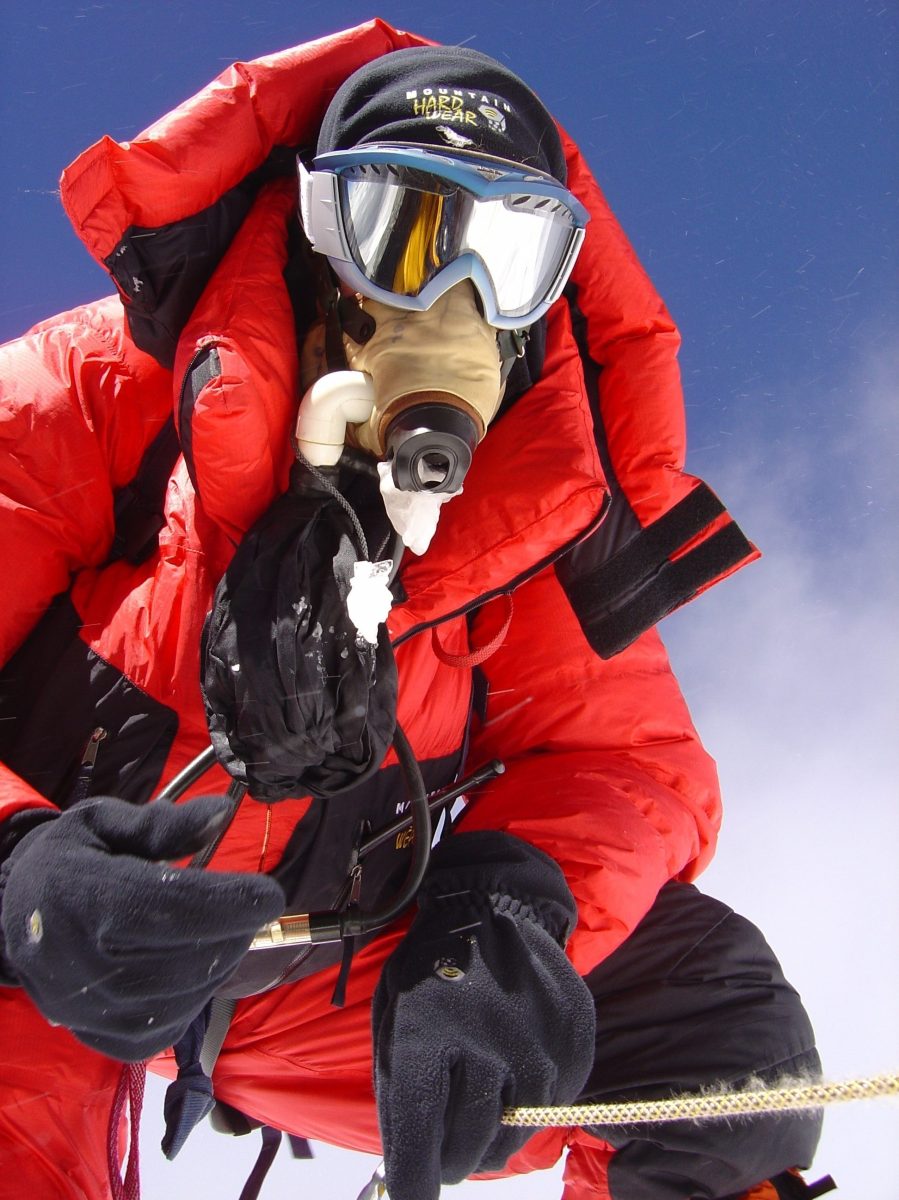
At first, I was drawn to Everest after reading stories from pioneering mountaineers – and being curious to experience the challenges for myself. What keeps bringing me back now, other than the fact that my job is to guide people up her slopes, is a deep respect for the mountain and a sense of belonging among the Nepalese people.
I will never fully understand Everest. Every season the mountain shifts and she throws new challenges at us, but I thrive in adapting to her moods and assessing the risks. With experience comes a sense that you can move more thoughtfully through a dangerous environment and help others do the same.
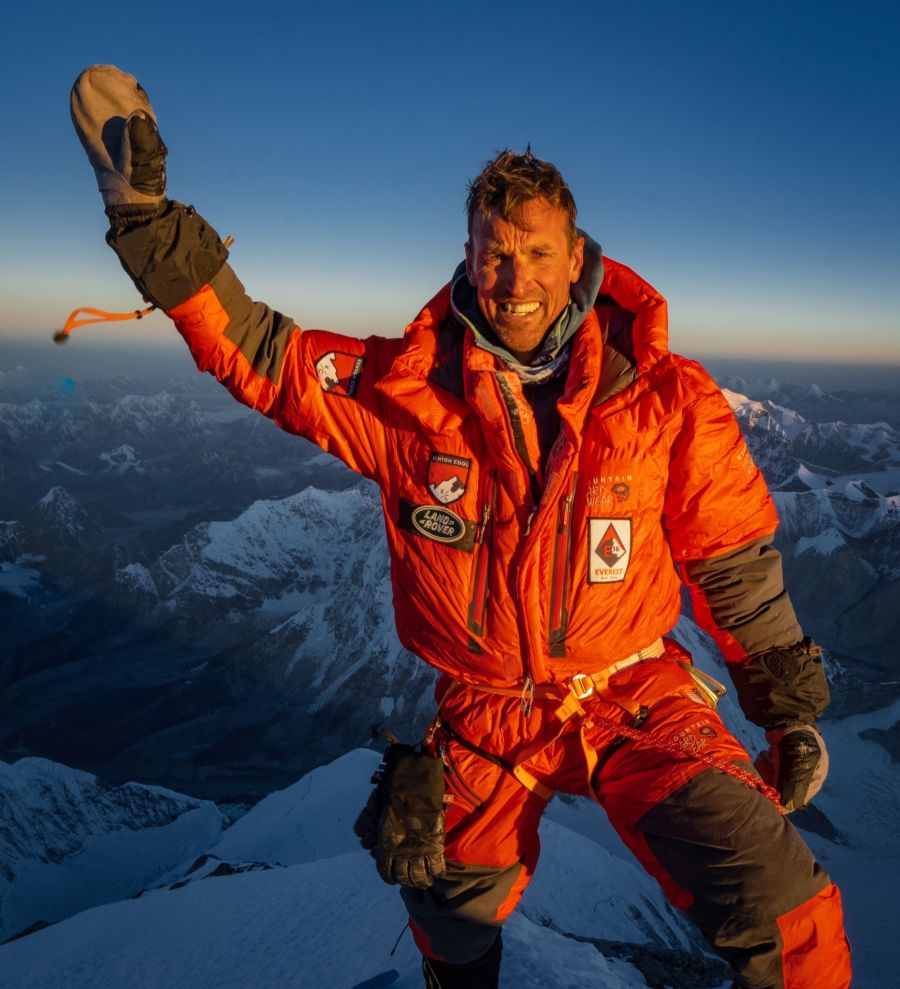
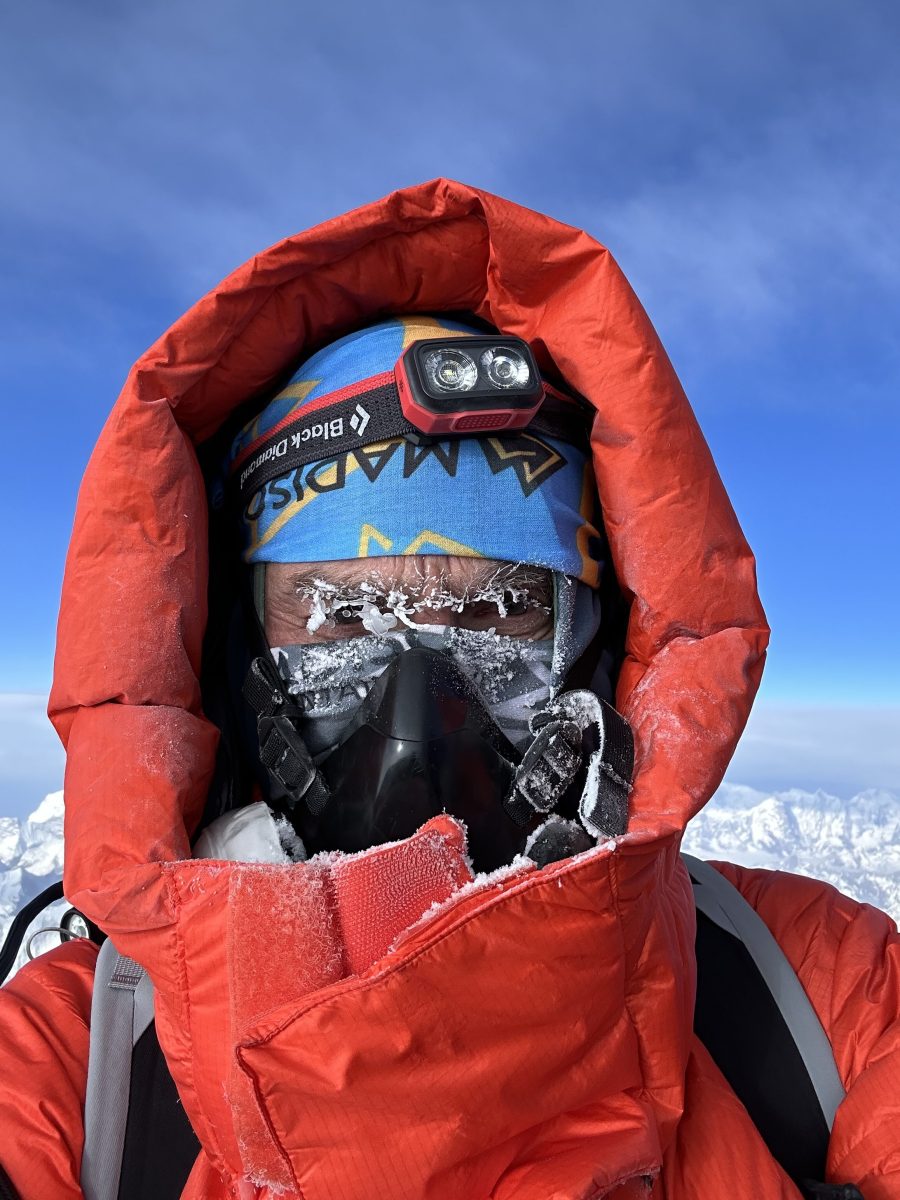
Reaching the summit is always euphoric. For a fleeting moment, I am the highest person on Earth and I’m able to celebrate with the people around me. I’ve been on the summit in all conditions – in the dark, in freezing cold winds, in temperatures so cold that all our equipment froze, and under pure blue skies – but no matter the conditions, it’s always memorable. What’s changed most as I’ve got older is perspective: I feel more relief than elation, and my thoughts turn to the crux of the expedition: getting back down safely. Because as I often say, the goal is getting home.
The mountain has undeniably changed in the 20 years I’ve been leading expeditions there. Glaciers are smaller, thinner and more broken, particularly in the Khumbu Icefall. Rivers form under the glacier regularly now, yet that never used to be the case even 10 years ago. There is more exposed rock higher up the mountain where there used to be thick snow and ice. Weather windows can be shorter but sometimes more intense with stronger winds, sharper storms, and less reliable patterns – although more high-tech forecasting helps mitigate this risk!
When I started my mountaineering career, waste was dismissed as an unfortunate by-product. Now it’s impossible to ignore. There has been genuine progress over the last few years – clean-up expeditions, strict deposit systems, better waste management – but foot traffic continues to increase dramatically. Even with best intentions, sheer numbers leave a mark: trampled camps, discarded gear, human waste. I was reflecting recently and realised that Everest closely mirrors the broader environmental challenge: improvement in awareness, but escalation in scale.
What Everest has shown me, simply through repeated exposure, is how quickly the presence of humans becomes visible, even in the most extreme places. Over the years I’ve seen glaciers reduce in size, familiar features become less stable, and routes feel more worn, not just from natural movement but from sheer foot traffic. None of these changes stand out in a single season, but they accumulate in ways that are obvious if you’ve been returning long enough.
Nationalities on the mountain have diversified enormously, which is a positive thing. Everest is no longer dominated by a handful of countries or elite alpinists. But experience levels have become more polarised. You now see exceptionally competent climbers alongside clients with very limited high-altitude backgrounds. Commercial logistics have made the mountain more accessible, but they can’t eliminate risk completely.
When climbers arrive at Everest basecamp and experience the enormity of the landscape around them, there is no doubt that it immediately demands respect. But when sitting in the comfort of their homes, I think it’s easy to scroll social media feeds and say “I’m going to book to climb Everest” without too much thought about the preparation, the risk and the commitment required to get there. While most climbers arrive with a deep respect for the task in hand and genuine preparation, there are a few to whom Everest has become a product – a tick in the box, you might say – rather than a privilege. The challenge is that Everest doesn’t differentiate; she treats everyone the same.
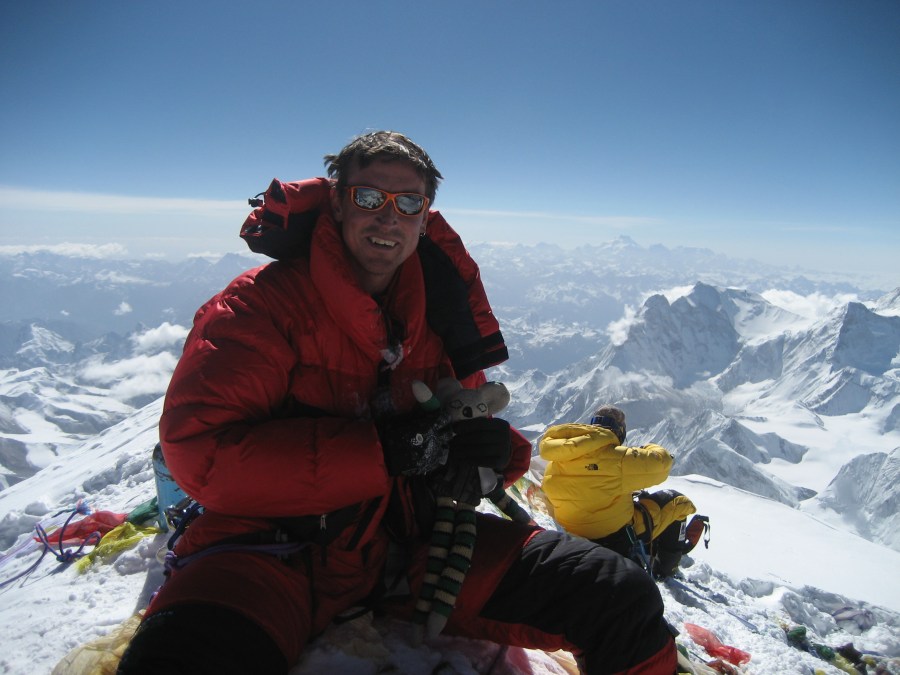
Kenton Cool’s Memories of Everest
Here, the highlights (and lowlights) of Kenton’s two-decade lover affair with the world’s highest peak.
The highs:
- Watching the sun rise over the Tibetan Plateau from high on the Southeast Ridge – quiet, vast, humbling
- Summiting multiple times with my number 1 Sherpa and friend, Dorjee Gyelzen, by my side
- Evenings at Base Camp playing cards and chatting to everyone around me
The lows:
- Turning someone around just short of the summit, knowing it’s the right call but feeling the weight of disappointment
- Passing memorials and remembering how thin the margin always is