
At around six or seven years old, I remember my parents telling me we were going on a weekend trip to the Yorkshire Dales village of Grassington. We had probably visited before, but those visits are blurred into the amnesia of my early childhood; this was the first time I was conscious of hearing about this place. But more than that, it was the first place I can remember understanding as a place in itself, rather than a general background to life. And I somehow knew we were going to a Happy Place.
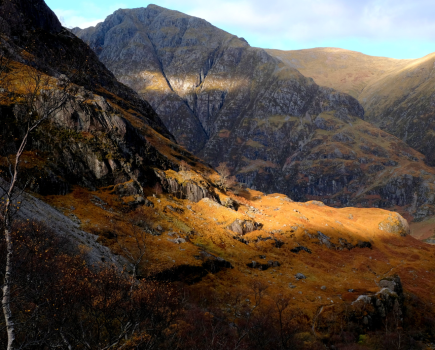
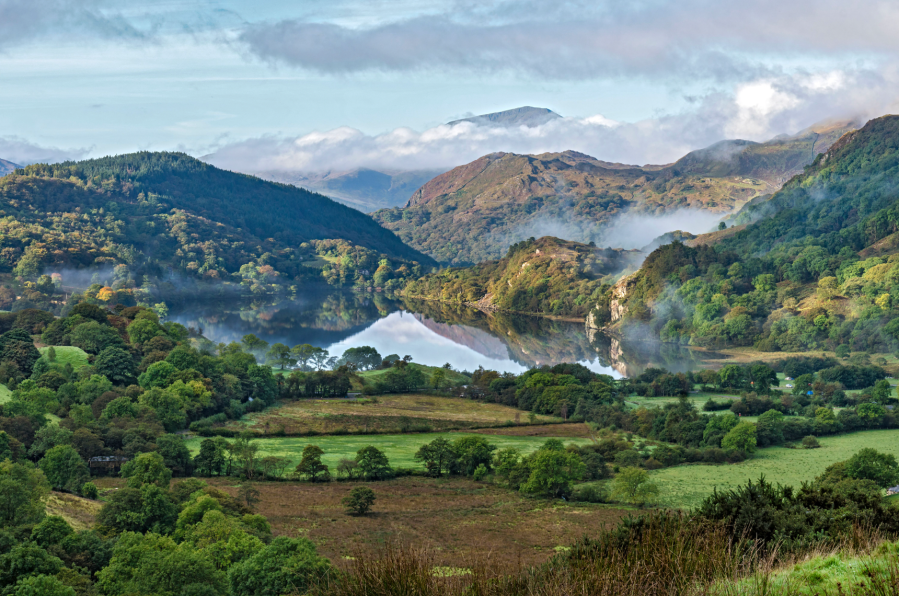
Main image: Gwynant Valley in Eryri National Park | Credit: Alan Williams / naturepl.com
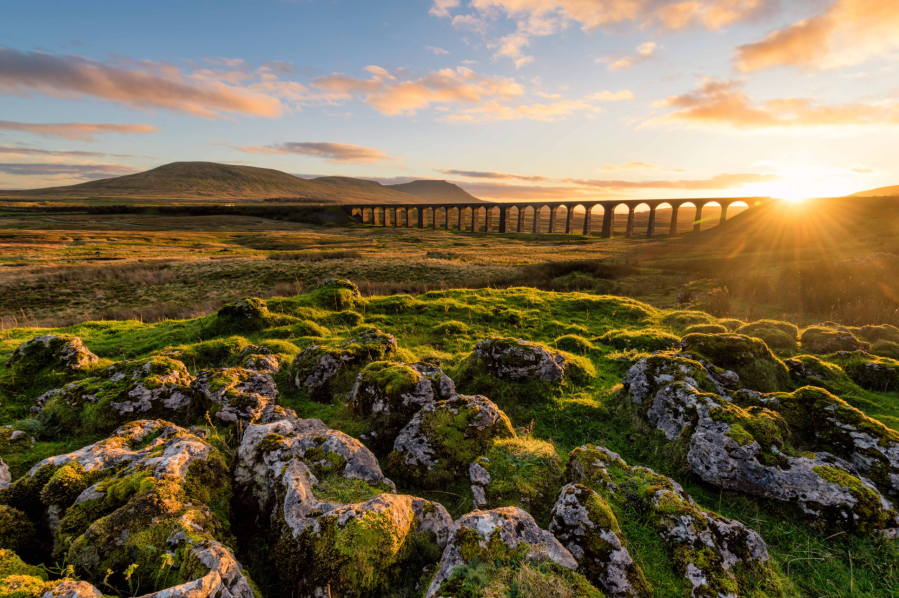
These family visits to Grassington would go on to regularly punctuate my youth. We stayed with different family friends and their kids in a house my mum was able to book through her work for a children’s charity. I had a warm and supportive upbringing, but at school I was awkward, nerdy and occasionally bullied. I had detentions piled on detentions for missed homework and ‘daydreaming’. But these escapes to the higher reaches of Wharfedale provided a reprieve from those struggles and took me into another world – a place I could be myself without fear, punishment, or shame.
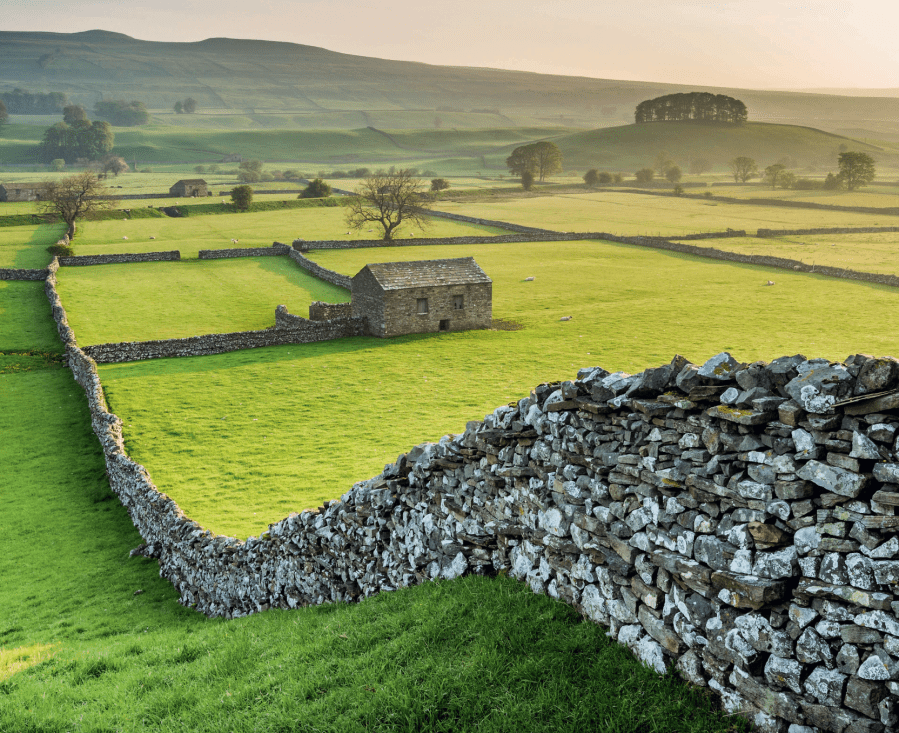
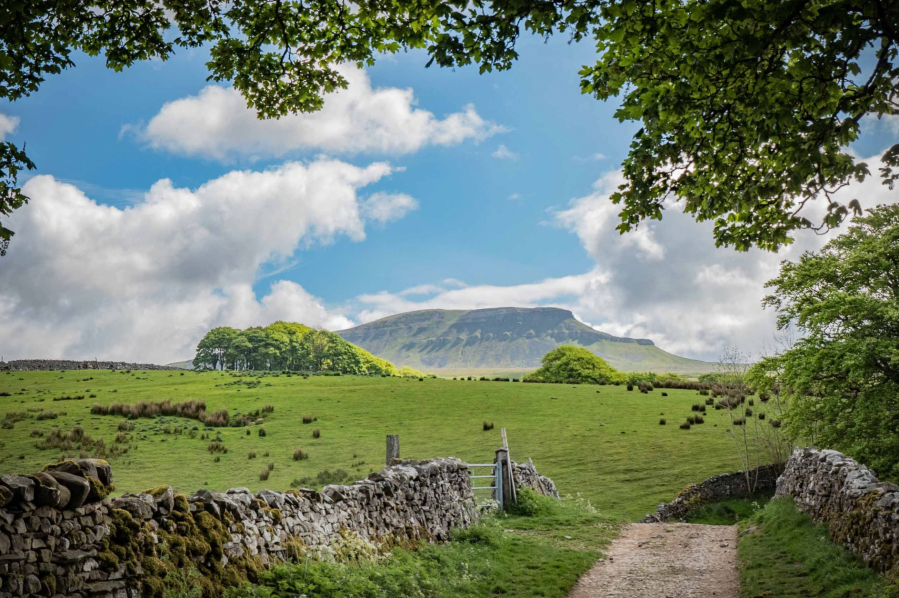
The surrounding landscape became indelibly associated with good things: a place of play, imagination, freedom, all underpinned by a sense of familial safety. It is the relatively humble parts of this national park’s landscape, rather than the big spectacles, that I remember the most – the drover’s tracks and dry-stone walls; the sinuously carved cataracts in limestone gills; the haunting lead mine remnants on the moors, which I found weirdly exciting. And all around was the gentle filigree of nature – ash woods, wildflower meadows, shoals of minnows in shallow pools of the River Wharfe – that undoubtedly worked its magic on me, even if I had little awareness or appreciation of it happening.
Sowing the seeds
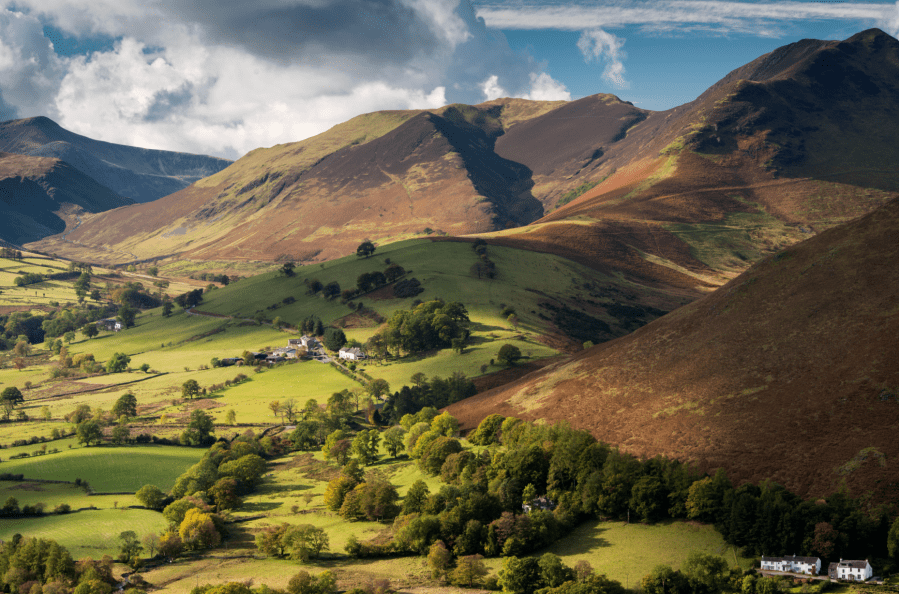
As I got older, we made visits to the Lake District too, where I got the bug for bigger hills; where I had my first days of hiking and hillwalking in a national park you could legitimately describe as mountainous. The first time I remember sensing what I now recognise as ‘the sublime’ was on top of High Street, looking west across the landskein of the Lake District, with its seemingly endless sea of summits and ridges, an awesome testament to volcanic upheaval, tectonic forces, and deep time.
The seeds of an outdoor life were planted, but it wasn’t until my journalism postgrad in Cardiff that I started making my own forays into the countryside. Things were messy at first. A couple of close shaves with hypothermia on Pen y Fan and other high parts of Bannau Brycheiniog (the Brecon Beacons) forced me to buy my first bits of ‘proper’ outdoor gear and get a bit more serious with my navigation skills.
From then, I gradually unlocked the moors and mountains, gravitating in particular to the Black Mountains region of the national park, with its long roomy ridges, red sandstone and wonderfully secluded valleys dotted with priories, woods and wonky churches. The fascinating human and natural history of this landscape fed my growing fascination with the links between landscape, geology and culture.
I left Wales for a far-flung ‘gap year’ in Southeast Asia and New Zealand, and not long after returning home, feeling somewhat lost, I saw an advert for an assistant editor position on this very publication a few hours before the deadline. I dashed off an application, and soon moved to Glasgow to start work.
Learning more
For almost three years I made regular forays into Scotland’s mountain landscapes – places that were often made of sterner stuff than I had known before, but also which had the potential to repay the effort with astonishing beauty. I worked my way around the Munros of the Southern Highlands, many of which lie within Loch Lomond & Trossachs national park.
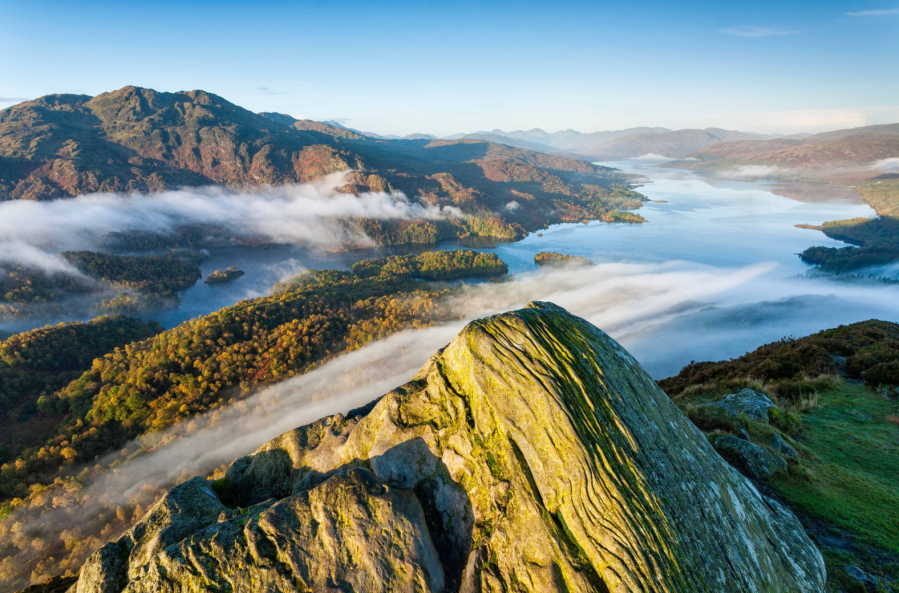
I got a taste of the arctic ferocity of the Cairngorms plateau, but I was also struck by the sprawling scale of the Caledonian forest in places like Rothiemurchus, where I heard the click-clacking of capercaillie and marvelled at being able to walk for hours on end through arcades of trees. It was a thrill to discover a national park in Britain that shared such an affinity with the wild boreal landscapes of Siberia, Scandinavia or North America. The sight of regenerating woodland pushing up almost to the 800-metre contour on places like Meall a’ Bhuachaille also offered an imagination-stirring glimpse of what more of our upland landscapes could look like with less grazing pressure.
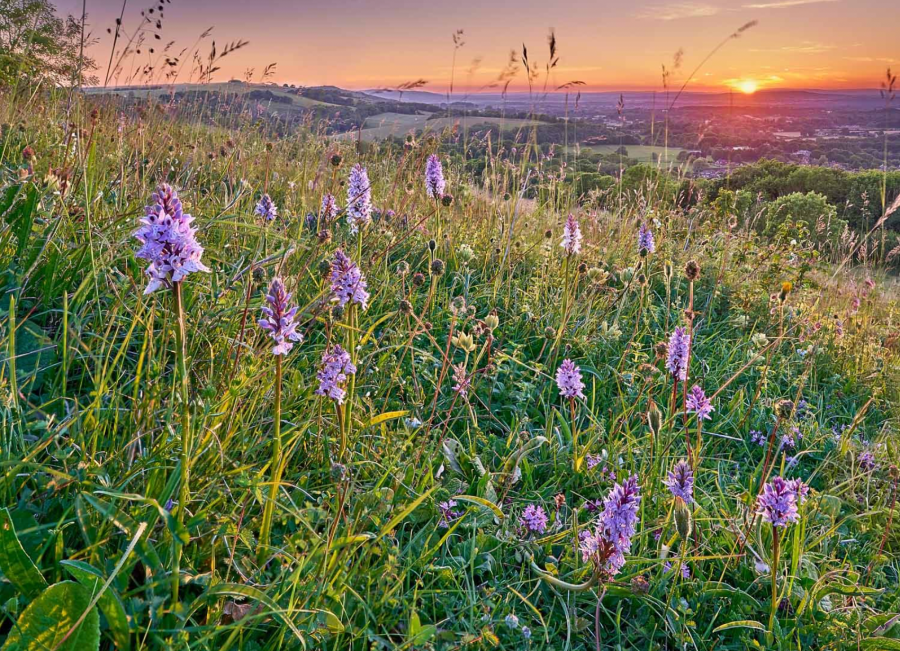
As the magazine changed hands, I moved to London. Working on a hillwalking title in the shadow of City skyscrapers and St Paul’s cathedral was an odd combination, but I enjoyed the contrast, and during those six months I had the South Downs national park a short train ride away. Not long before that I’d been staggering through blizzards and whiteouts in the Cairngorms; now I was strolling through soft chalk hills, wildflower meadows and vineyards. What an incredible range of landscapes exist on this one island.
A few years spent in Manchester and then Sheffield, either side of the Peak District national park, deepened my affection for the heartland of England’s access movement. The place I grew fondest of was – where else? – Kinder Scout; that wild plateau ringed by Millstone Grit escarpments, veined with a maze of peat groughs where the rules of time and space seem to distort, and everything feels far wilder than it should only a few miles away from the edges of Manchester. Seeing the miracle of moorland restoration was powerful, too: otherwise dark and dour morasses of bare peat transformed into lush upland steppes full of waving cottongrass, sphagnum moss and bog asphodel.
A sense of belonging
After a decade ‘touring’ Britain, I finally worked my way back to where I began – the town to the north of Leeds where I grew up. Now I live on the edge of the Yorkshire Dales once again, with three other national parks in striking distance, immensely fortunate to be surrounded by landscapes I love.
There is no question that Britain’s national parks underpinned my upbringing and development. They were the places that fostered my love of nature, and where I found ways to express it through walking and movement, which in turn deepened it further. They are literally fundamental to my understanding of landscape, grounding my sense of belonging in the warp and weft of geography. They have nurtured a growing attentiveness to birds and flowers and the bones of the earth, and deepened my understanding of how they all knit together in the web of ecology.
I am far from alone. Our national parks are by no means the end of the story when it comes to scenic splendour, but each is a unique interweaving of human and natural history; each part of a historical jigsaw along with the animal and plant life that we share these islands with. They are vital breathing spaces, often found on the very edge of great cities, and cradles of culture which inspire our collective imagination.
Created during a time of austerity 76 years ago through a law described as “a people’s charter for the open air”, our national parks were envisaged as the ‘natural health service’ that would complement the NHS, healing the country after the horrors of war. The fact that the formation of national parks was prioritised in such a severe time reminds us that there was a once a crop of politicians who weren’t embarrassed to admit an obvious truth – that nature is not simply a nice thing to have, to be derided and discarded for the sake of growth, but is the wellspring of joy and the foundation which underpins all our material accomplishments.
Green space in context
The idea of national parks has deep roots in Britain. William Wordsworth helped to inspire the national park movement, both here and abroad, with his nineteenth century description of the Lake District as “a sort of national property” which every person “had a right to enjoy”.
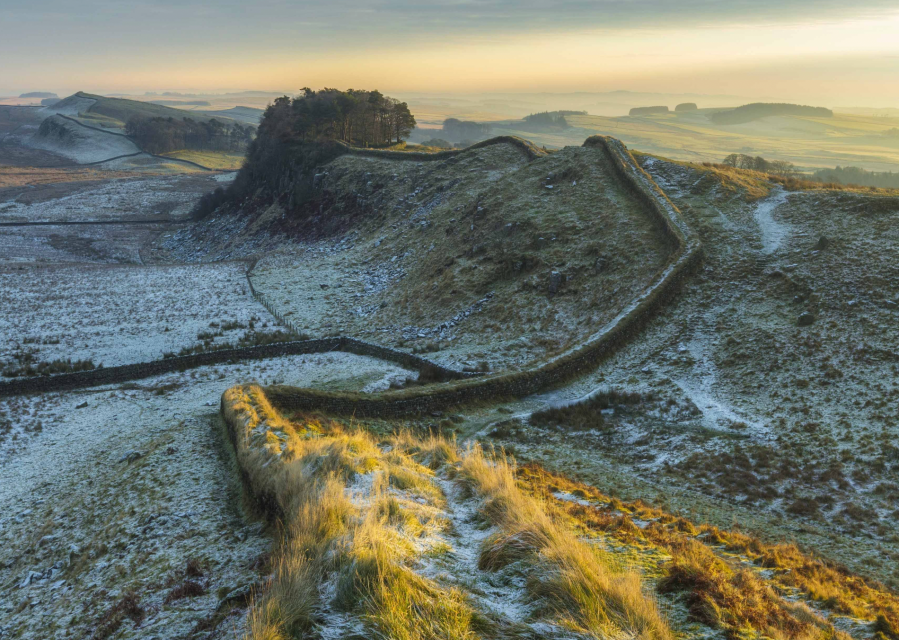
But in global terms, Britain’s national parks are something of an exception. Unlike in other, wilder parts of the world, our national parks are not designed to preserve extensive tracts of ‘wilderness’. These are deeply inhabited places with long histories of settlement, agriculture and industry, home to around 400,000 people in total. Between 50% to 82% of their area is used for farmland (across Britain as a whole it is 70%.) They have a role as cultural preserves, protecting farming methods, traditional forms of architecture and older rhythms of life which may otherwise have been lost.
In the United States, the idea of ‘national property’ is taken literally. In Britain, on the other hand, over 90% of the land within our parks is privately owned. Our national park authorities have powers over planning and development, but otherwise – with the exception of compulsory purchase powers that are only used conditionally and infrequently – have no direct control over what happens on most of the land within their boundaries. For the most part, they have work with the grain of private ownership, even if that reflects deeply entrenched inequalities or controversial land management practices.
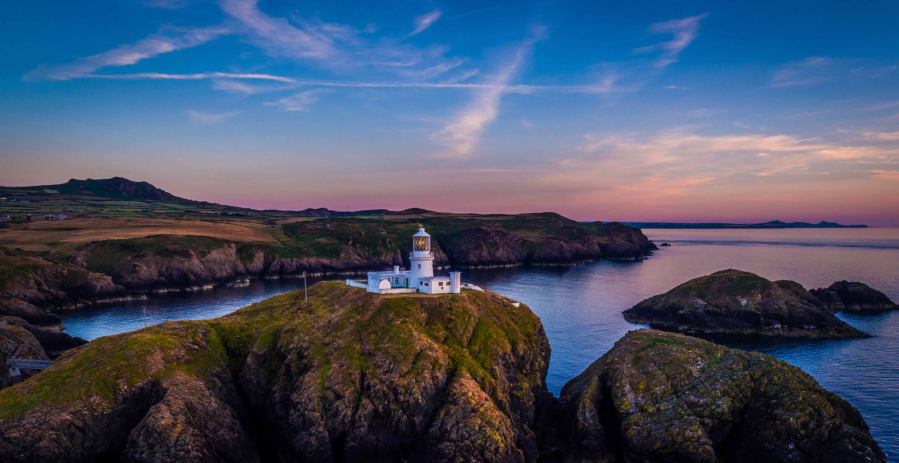
In particular, England’s national parks have come under fire for a poor record on nature. Only 26% of Sites of Special Scientific Interest (SSSIs) within national park boundaries are in “favourable condition”. This is actually a lower proportion than across England as a whole, where the figure is 38% – hardly fantastic either. The context for these numbers is somewhat stark. Key bodies – such as Natural England – charged with looking after nature have been defunded and defanged, making it easier to get away with water pollution, overgrazing, moorland mismanagement and other abuses (many of which disproportionately affect national park landscapes, as most are in the uplands).
National park authorities themselves have also had a torrid time – England’s, for example, have endured on average of 40% real terms cut to their budgets over the last 15 years and are now staring down the barrel of even further reductions.
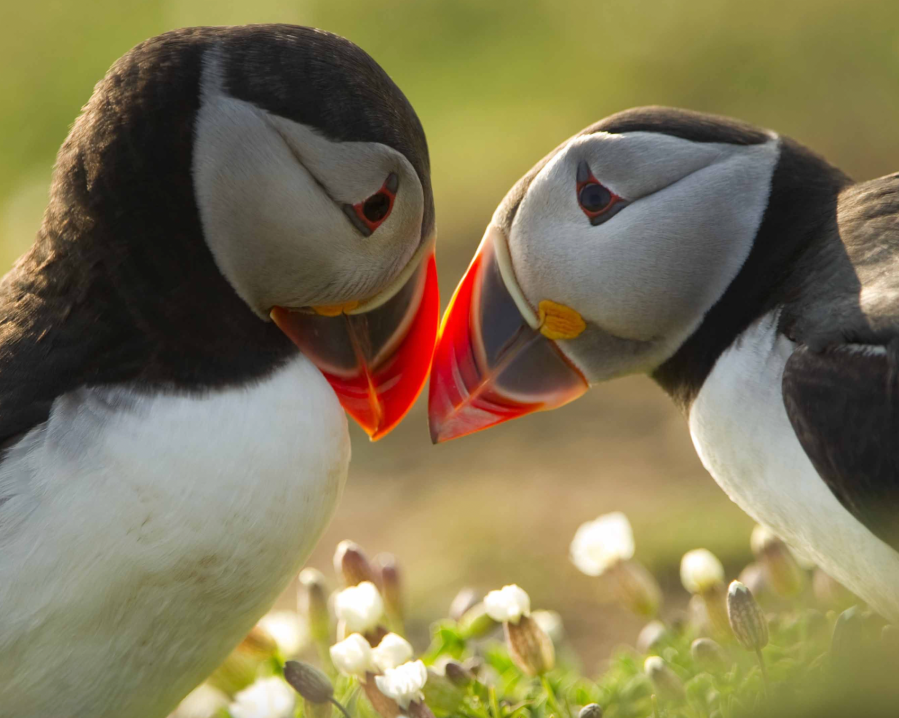
We want and expect national parks to make it easier and more enjoyable for the public to visit, to preserve and enhance nature, to conserve heritage and foster thriving communities. As diagnosed by Julian Glover’s 2018 Landscape Review, the gulf between large sections of society and national parks – represented by the under-representation of visitors from poorer and minority ethnic backgrounds – demands vision and boldness to address. All these things can’t be done on a shoestring. Scotland’s two national parks are better-resourced than their English and Welsh counterparts, and their achievements for nature alone in just over two decades are impressive.
Cairngorms Connect, for example, is restoring Caledonian forest and other habitats across an area roughly the size of the Isle of Man. The Great Trossachs Forest has created a wildlife-friendly habitat about the same size as Dublin. Yet even the beleaguered parks of England and Wales can still point to their own successes, like the restoration of Peak District peatland, working with farmers to create new hedgerows in Bannau Brycheiniog, or reviving species-rich grassland in the South Downs.
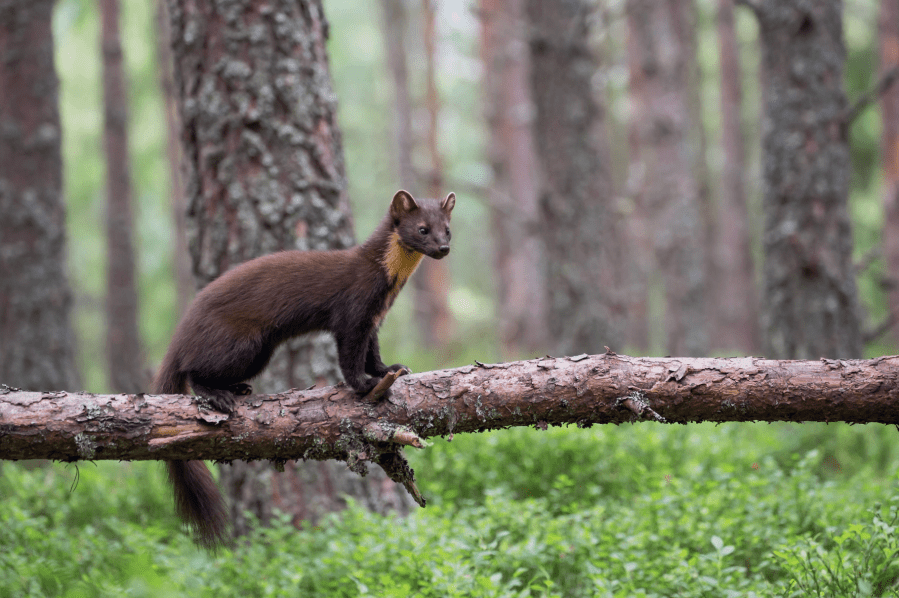
Celebrating potential
Our National Parks may be complex and historied, but when asked to write a book celebrating the 75th anniversary of the law that created them, I couldn’t resist the opportunity. As the work drew to a close in January 2024, fresh campaigns against the proposed creation of a new national park in Scotland dispelled any lingering doubts I may have had about championing this essential component of the commons. Only 3% of the Scottish public oppose the creation of new national parks, but in the early months of 2024 the mainstream media was awash with detractors.
Journalism cooperative The Ferret later exposed both the ‘Lochaber National Park No More’ and ‘No Galloway National Park’ campaigns as backed by a PR company founded by Jack Irvine (former Scottish Sun editor, client of Nigel Farage and campaigner against the repeal of Section 28) and well-financed by large landowning bodies. It was a sharp reminder that we should never take the existence of our national parks for granted. One of the Trump administration’s first actions was to fire around 1,000 staff members of the National Park Service; Reform, British standard-bearers of Trumpism, are topping the polls at the time of writing.
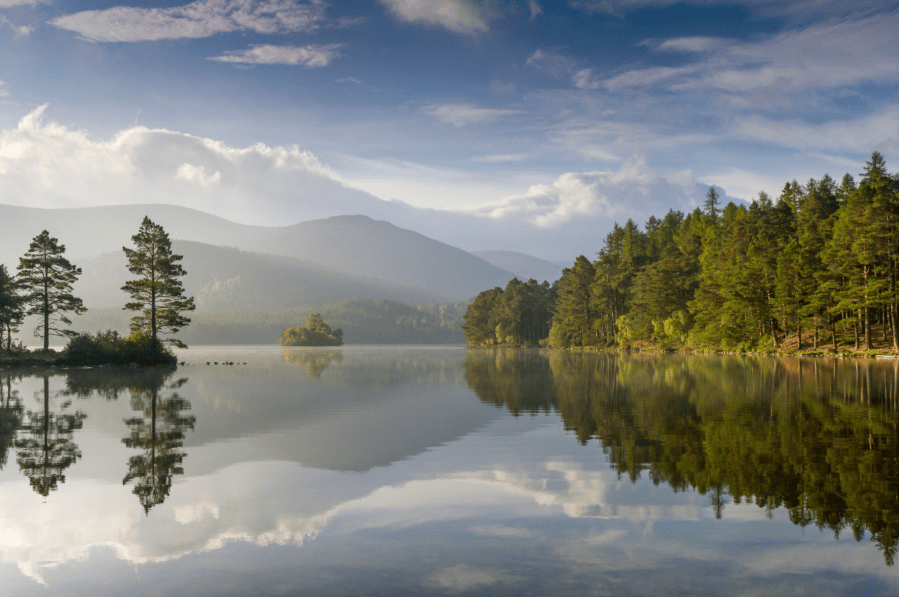
The experience of writing the book, and travelling to visit and research the parks I didn’t know so well, also helped to change my perception of these places. As a hillwalker, the parks I knew the best were the more mountainous ones. But over the years I have become a wildlife enthusiast as well as a walker, and the natural richness of the gently undulating New Forest, with its intermingled mosaic of ancient oakwoods and rough heathland, proved a tonic to the paucity of life I’ve often witnessed in the uplands.
But perhaps the biggest ‘surprise’ for me was The Broads. I visited in the dead of December, but the landscape was still vividly alive with overwintering wildfowl and other birds. I saw dozens of marsh harriers come in to roost as dusk fell over Hickling Broad; sailed a boat along the River Bure with coots, cormorants and kingfishers darting and diving around me; and watched 200,000 murmurating starlings writhing above the reedbeds, making a sound like waves rolling along a pebbly beach as they twisted and turned, slicing the cold air.
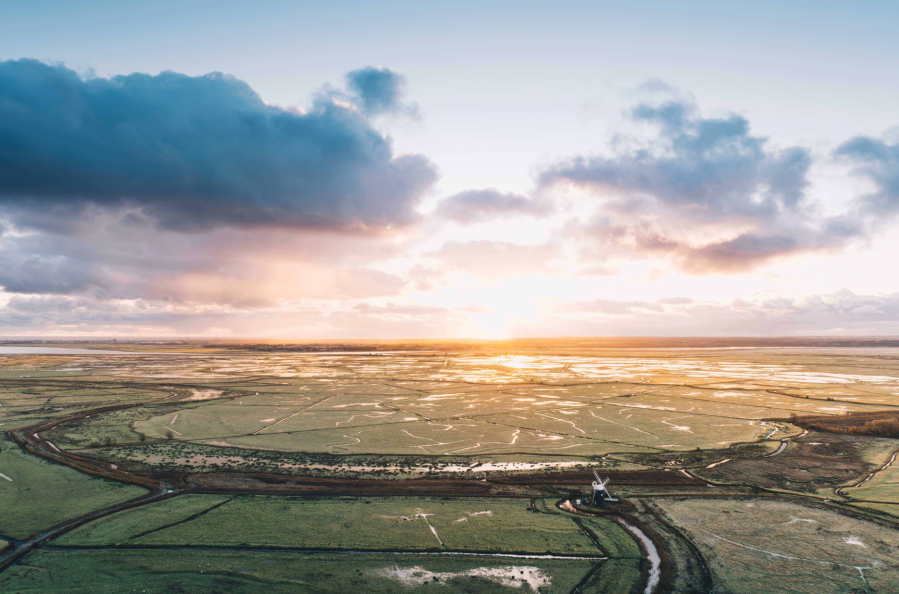
As debates over the use of land intensify with the governments ‘Land Use Framework’ consultation in England, a place like The Broads also upends the idea that nature and humanity can only exist apart from one another. This is a wildlife-rich waterworld, but one created from medieval peat diggings that were flooded and reoccupied by nature, and surrounded by some of England’s highest-quality agricultural land. At their very best, our National parks can exemplify ways we can live alongside nature without overwhelming it.
Above all, national parks are where I learned the centrality of place to the human condition. I think this is something which can be missed by environmentalists critical of the nature deficit in Britain. How a landscape looks and feels is how we key in. I think a love of place is, for many people, the starting point their love of nature; the latter is rooted in the former and grows from it over a lifetime. Landscapes can help, heal, hold, teach and change us. That, at least, is what happened for me.
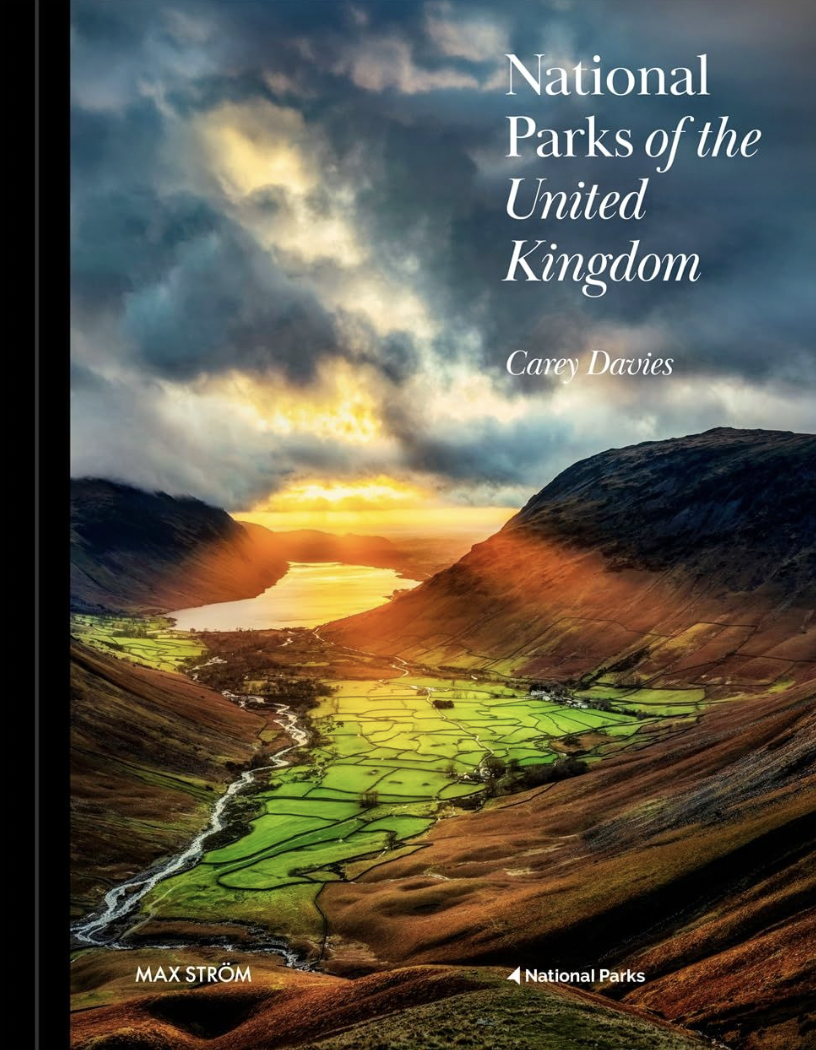
National Parks of the United Kingdom is a journey through the natural history, cultural heritage, and artistic legacy of the UK’s national parks, illustrated with more than 200 stunning images from a range of wildlife and landscape photographers. It was selected as one of the Independent’s books of the month for July 2024 and described by Rory Stewart – former UK environment minister – as “a splendid book – lively, affectionately observed, capturing the extraordinary range and variety of the parks and all that is inspiring about our landscape.”