
Going outside and connecting with the natural world looks and means something different to us all. My own connection with nature has particularly grown through my experience of chronic illness. For many years, I haven’t always been able to leave my home. That’s not meant a disconnection with the outside world, even if it has meant a disconnection from the human one.
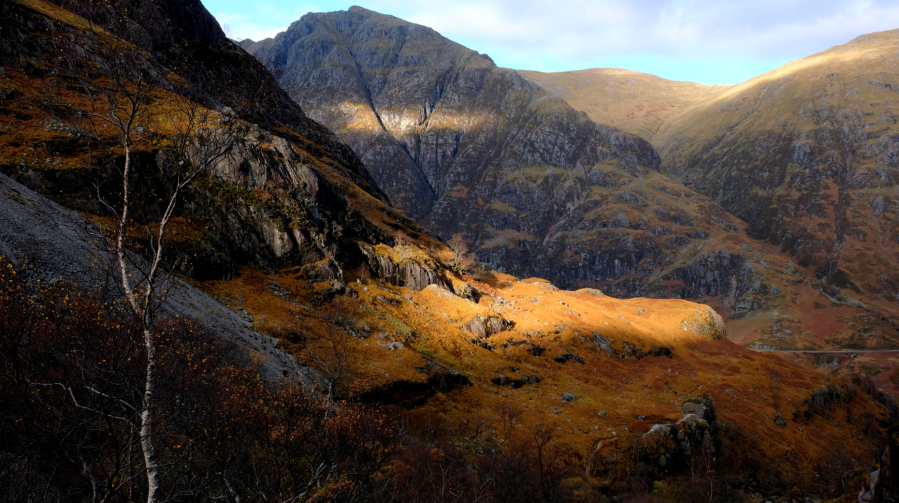
Main image: Light and shadows in Glen Coe | Credit: Lenka Filova / Shutterstock
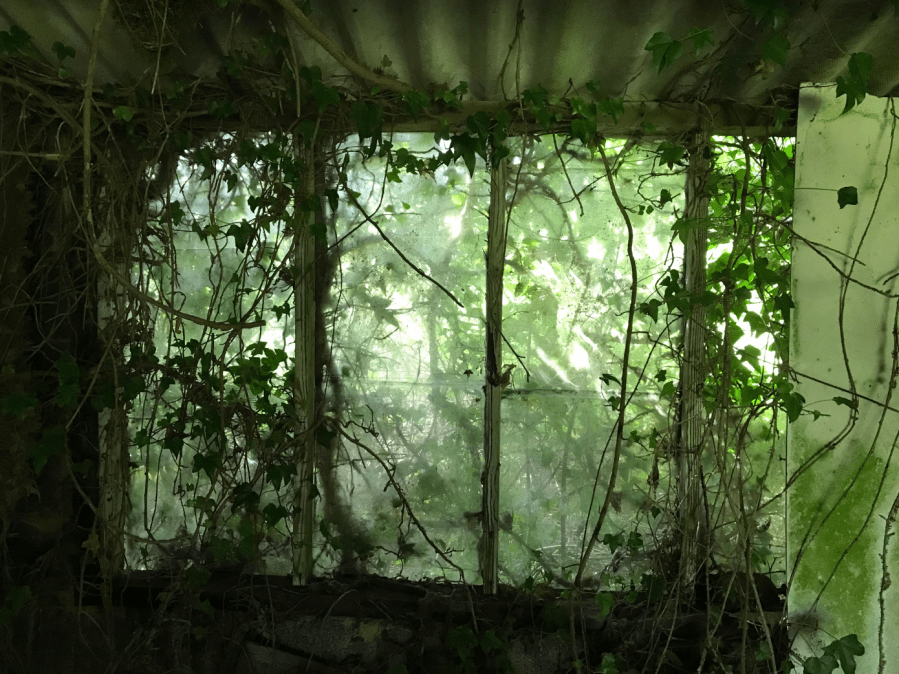
Noticing the small and slow has helped me navigate my own periods of smallness and slowness. More readily overlooked, these are no less significant to the large and fast movements across landscape outside we more typically see represented. I have learned a great deal from these quiet times. I look more closely and notice things more readily. Light changing and shadows dancing up the walls showed me fragments of life beyond my window when I was bed bound. It reminded me that change is constant, something that has been invaluable to hold on to, even if there are times when it feels impossibly slow.
Complex spaces
Recent years have seen a rise in valuing the human connection with the more-than-human. Spending time in nature has increasingly become associated with good health, improving mental and physical wellbeing. Notions of ‘healing’ through nature might seem innocuous enough. Walking, jogging, cycling, forest bathing and wild swimming, all sound like fine things to be doing. With such blanket advice and wholescale expectation there’s a risk that implies they are accessible, beneficial to all. The messaging assumes that ‘healing’, or recovery, is always possible.
Simplistic, easy to repeat messages inevitably evade nuance. Disability and chronic illness is proliferated by nuance, by fluctuations in energy and pain, changing levels of functioning and support. Living with chronic illness is often more about management (and tolerance) rather than recovery or cure. Disabled people live in more complex spaces than generic advice can reach.
The monotone message of the benefits of nature risks leaving people feeling frustrated, ashamed or stigmatised for not being able to do x, y or z; for not ‘getting better’. Frustration, shame and stigma can be feelings already experienced by many of us as societal norms impose ideals of bodyminds as healthy, functioning, valuable only if they are productive and ‘fit in’ with normative ideals of society. The social model of disability inverts this notion of people needing to fit into and around imposed systems. Rather it asks that systems accommodate and provide for the diversity of people that exist – in turn lifting barriers, accommodating and including everyone. What those easily repeatable messages miss out on is the rich and varied experience of the sick and disabled person in their connection to the world.
Depth in quietness
During the prolonged periods I spent bedridden, venturing online as concentration allowed, I began to find a network of people similarly living with disabling energy limitations. I encountered the work of writers and artists engaging with the natural world from their beds and their homes, people who moved slowly through the world. These quiet times in our lives can be enormously frustrating, painful and challenging to tolerate. Beneath this, they can nonetheless be rich with great depth; and it was this awareness that inspired a project which became my anthology Moving Mountains: Writing Nature Through Illness and Disability.
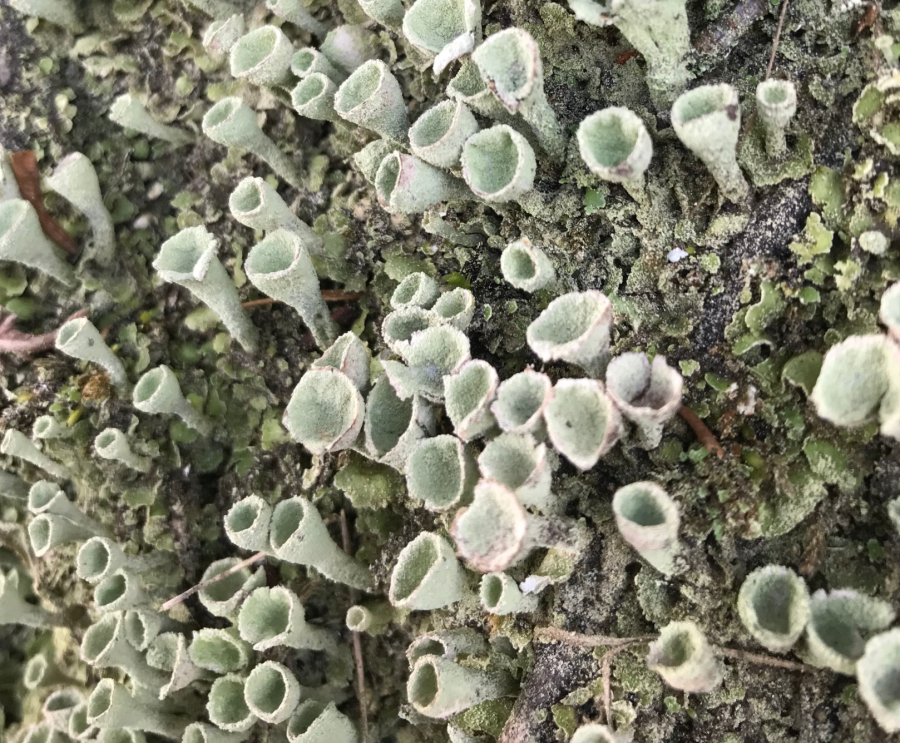
In Moving Mountains, I wanted to expand the visibility of disabled people in centring our bodies and experiences. Traditionally absent from nature writing and books representing the outdoors, it’s a genre which has tended to focus on physical dexterity: of climbing and walking, hiking, running, swimming, or some other physically exerting activity that brings the individual into contact with the landscape. It’s often a privileged perspective, in class, gender, race, religion, ethnicity, sexuality and age too.
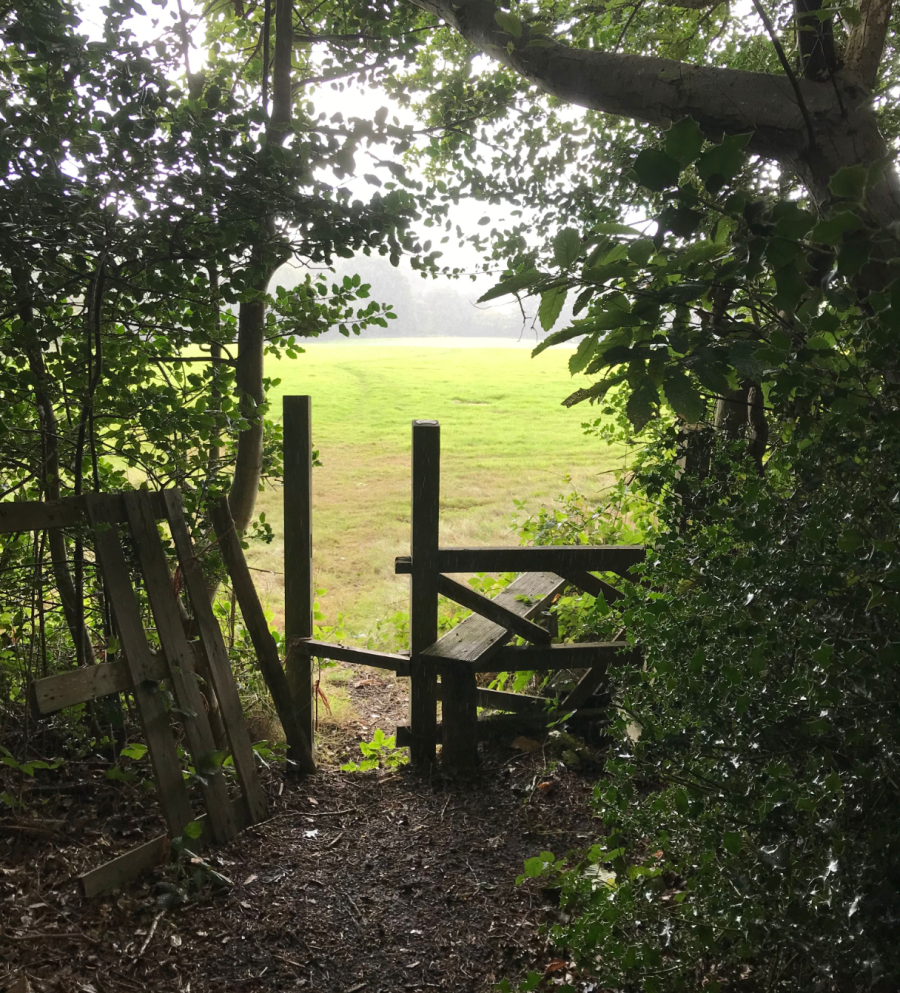
For disabled people, going outdoors may be hampered or blocked by access: stiles, uneven paths, lack of accessible transport. The access and the barriers are different for each of us. For people with energy-limiting conditions, the very idea of getting outdoors might be impossible at times, due to physical limitations and the energy demands involved in stepping out the front door.
There are as many ways of connecting with the outside world as there are people to connect with it. We routinely have to be more creative, more thoughtful, more patient with ourselves, others and the world around us, to simply exist, and to manage our lives day to day. Different environments will require new sets of problem solving and planning. The ways we connect with the natural world can be equally creative and thoughtful.
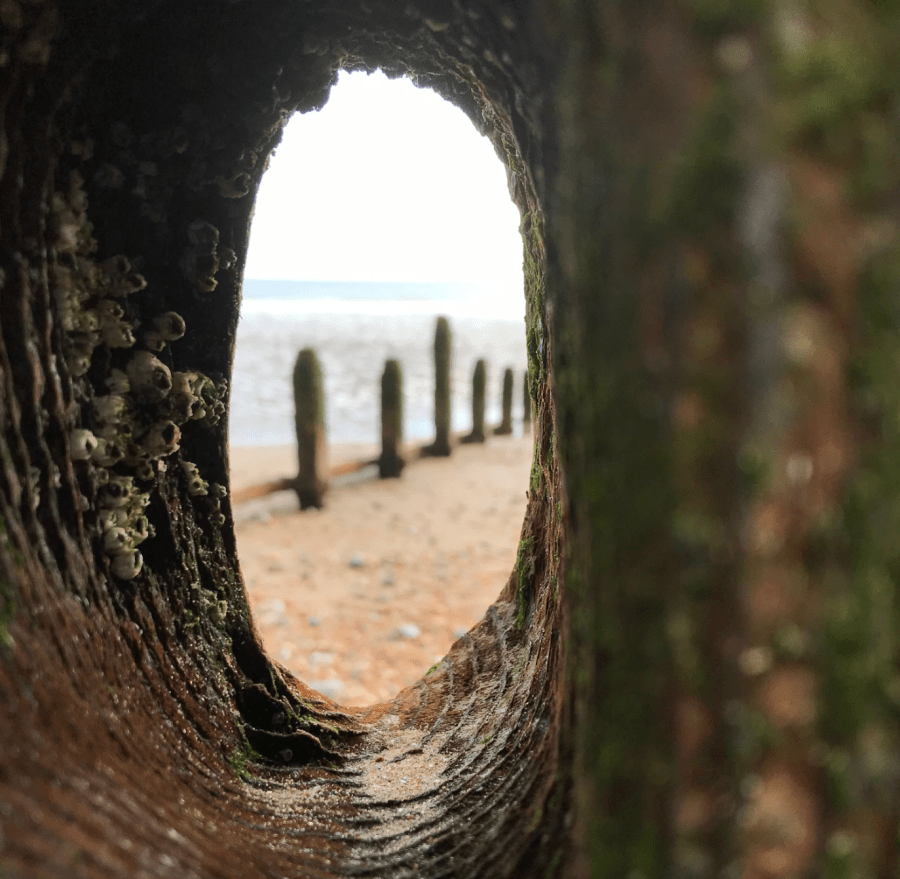
Growth & renewal
If disability was at the heart of considering access to the outside world, that world would become more accessible for everyone. Implicitly intersectional, disability encompasses diversity of class, gender, ethnicity, age, sexuality, religion and race. It is the one marginalised group we are all likely to join at one point or another in our lives. To be able to continue to enjoy and thrive, irrespective of illness and disability, will indeed make for a greater sense of wellbeing. While this may help with some people it is not a cure, nor treatment for all. Health and social care, financial support, are all under greater pressure than ever, and the outdoors can sometimes feel like it is being promoted as an alternative place holder. Equally, the idea that we can gain something from nature follows a colonial extractivist notion of the natural world rather than a more reciprocal, mutually beneficial one; we need the latter perspective more than ever as our biodiversity is depleting and the climate crisis escalating.
The natural world is so much more than a space for humans to feel better about themselves in. It can be a solace, companion, guide and teacher. It can parallel our own processes of tolerating and weathering the world. It can also model decay and death, as much as it can engender notions of growth and renewal. By focussing on a single type of relationship with the natural world we miss out on its richness, on what it can teach us, and the complexity and reciprocity required to care for and engage with it. By ignoring or denying disability and all its complexities, we miss out on the people, the knowledge and creativity that disabled people bring.
Throughout Moving Mountains, bodies are centred, whether overtly described or not – it is the centring of the ill and disabled voice that is important here. The voices that are so often ignored or silenced in our society can bring so much: in understanding and knowledge, perspective and sensitivity; in being nothing other than themselves and being valued for that alone. The overarching premis of the anthology ultimately ties climate and disability justice together, the necessity of regarding both as different sides to the same coin. We need to consider both in the same breath for us to hope to address either.
A world of nuance
In these extracts from Moving Mountains, four disabled authors reflect on their relationship with the natural world
Eli Clare
I find a belonging in the more-than-human world that I rarely experience among people. Trees don’t gawk. Boulders don’t call me inspirational. Oceans don’t believe that I and my communities might well be better off dead than disabled. Certainly, ableism follows me into the forest and onto the beach. Humans impose all the forces of domination – white supremacy, colonialism, capitalism, patriarchy, and more – on the more-than-human world. These systems rip people from earth and sky. They disrupt air and water. They shape who has access and who doesn’t. They create the conditions under which many beings experience violence, including environmental destruction, and struggle for survival. They corrode love and belonging. At the same time, sitting in the woods or at the beach, I glimpse a world that relishes crookedness, wholeness and brokenness, an explosion of sizes and shapes. In the more-than-human world, my shaky asymmetrical body is just one among many. I find spaces and relationships neither saturated with nor defined by ableism.
Abi Palmer
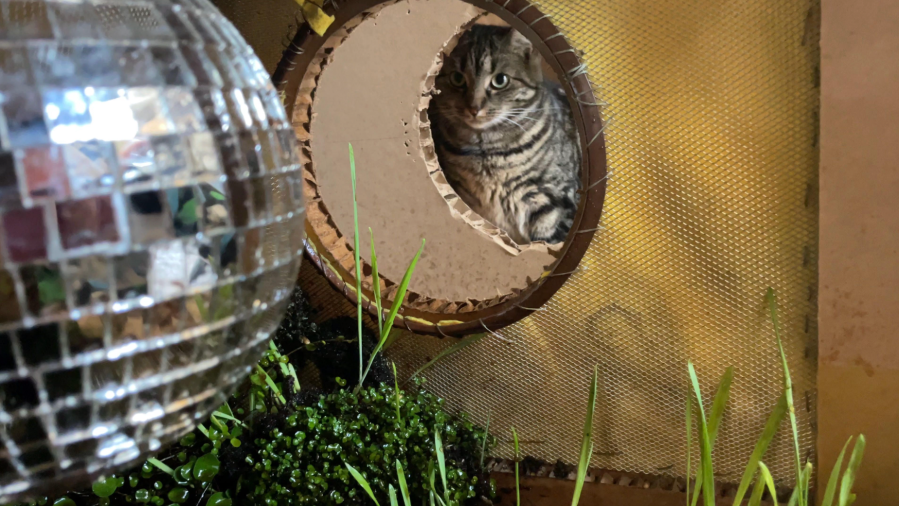
On talking to her indoor cats about the outside world:
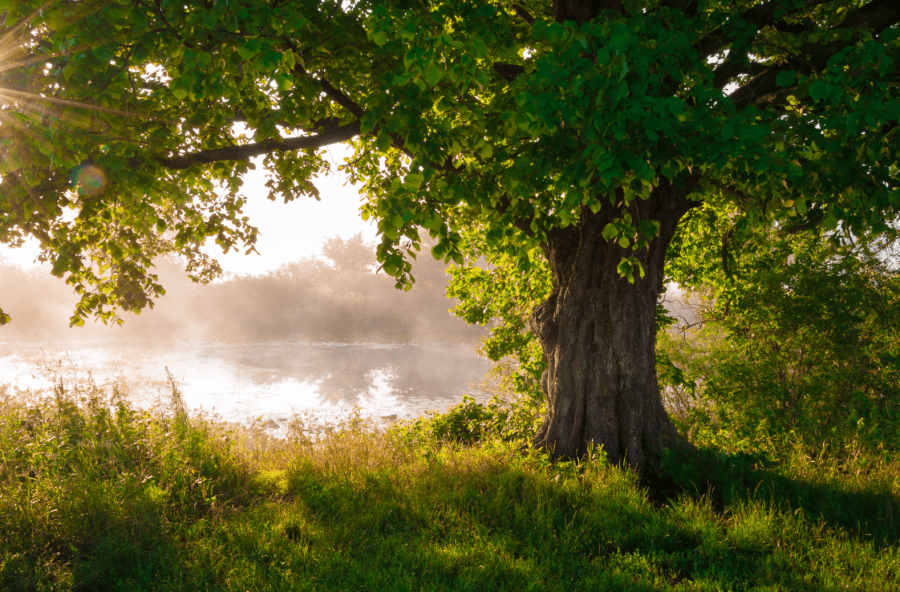
My friends, I’m not sure you’re going to understand this, Because there is so much of the sky you haven’t seen. But in autumn, everything falls from it. Leaves fall from the trees and land in red-and-yellow clusters. Feathers fall as geese fly south, in time for winter. The sun falls – every evening, fast into darkness. Rain falls more than anything. I can tell it is raining without ever needing to leave the house. My joints thicken and warp in the damp air. My left knee stiffens. My toes swell and creak. My knuckles form knots, like an old and twisting oak tree.
Khairani Barokka
Writing from a pain clinic opposite Big Ben in London and reflecting on the impact of ecosystem loss of rainforest destruction in her home of Java:
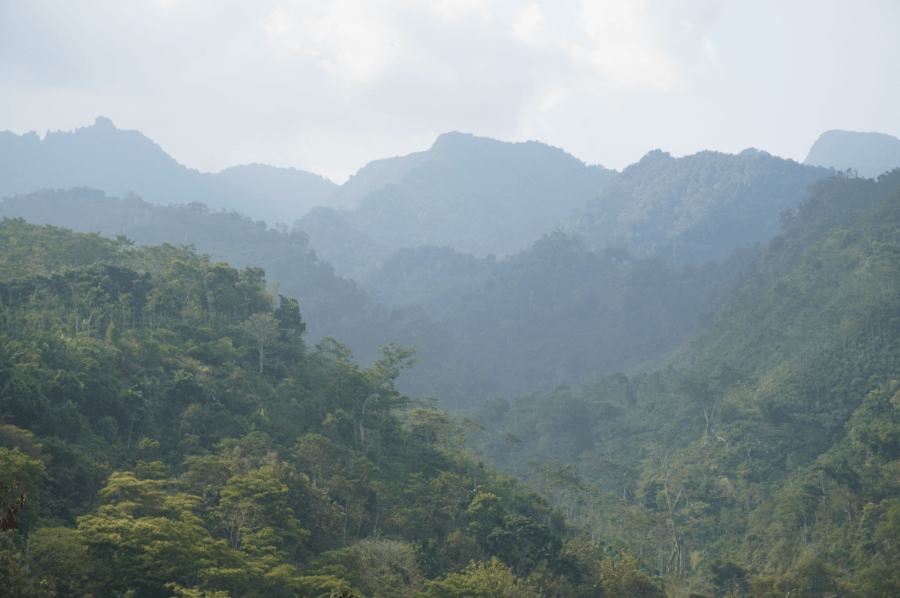
I close my eyes and imagine the canopy of trees that calmed the bodies I come from – likely, other disabled bodies in the lineage – in the Kendeng mountain region, in the Tanah Datar region of West Sumatra, in Banten, in the Middle East where my grandfather has heritage. I imagine all the different waterways that calmed them; lakes, rivers, oceans that carried Chinese, Gujarati and Arab traders to the Indonesian archipelago, that intermingled so many waves of migration to those islands. There are visible traces of all these communities in the faces of my family, in their skin and bones, in mind.”
Alec Finlay
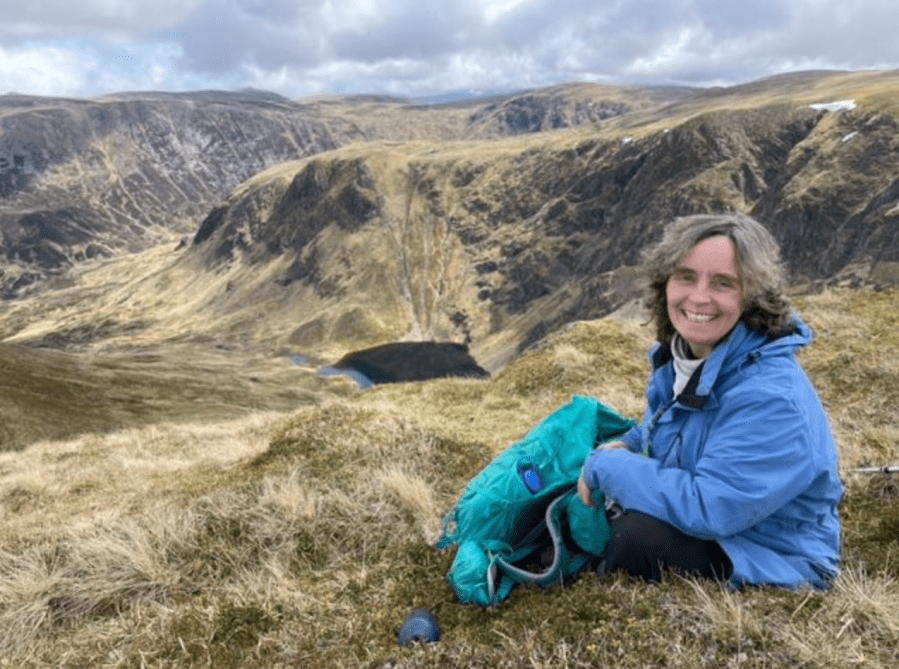
The pandemic produced a collective awareness that healing must include access to nature, good food, clean air, safe working conditions and the absence of domestic violence. These are inalienable rights. Now the left-behind are being left behind, leaving millions in poverty, grieving, cold, hungry, or with symptoms of pain and Lag that are denied care…the passage of time affirms patient-led activism and environmental campaigns are largely accurate in the depiction of ill bodies and degraded landscapes. If the people with ME had been listened to years ago, we may have treatments available for Long Covid now. Until medical science cracks these genetic puzzles, we require models of recuperation that are closer to rewilding than graded exercise. Is the ecological remediation of bogs and montane scrub so different to the treatment of post-viral diseases? Studies of the gut biome and mitochondria confirm symptoms discussed by ME support groups for years. Patient descriptions of unexplained diseases are oracles of future cure. Gains in healing are gifts of the Goddess Rest, not the God Exercise.
Moving Mountains: Writing Nature through Illness and Disability is published by Footnote (£16.99, footnotepress.com)