
If you’ve ever had a multi-day walk blighted by oozy blisters, weird rashes or dodgy bowels, you’re in good company. Most long-distance walkers will suffer from a trail-related hiking health issue or two at some point – and when we asked the online outdoors community to share their tales for this issue, the response was overwhelming.
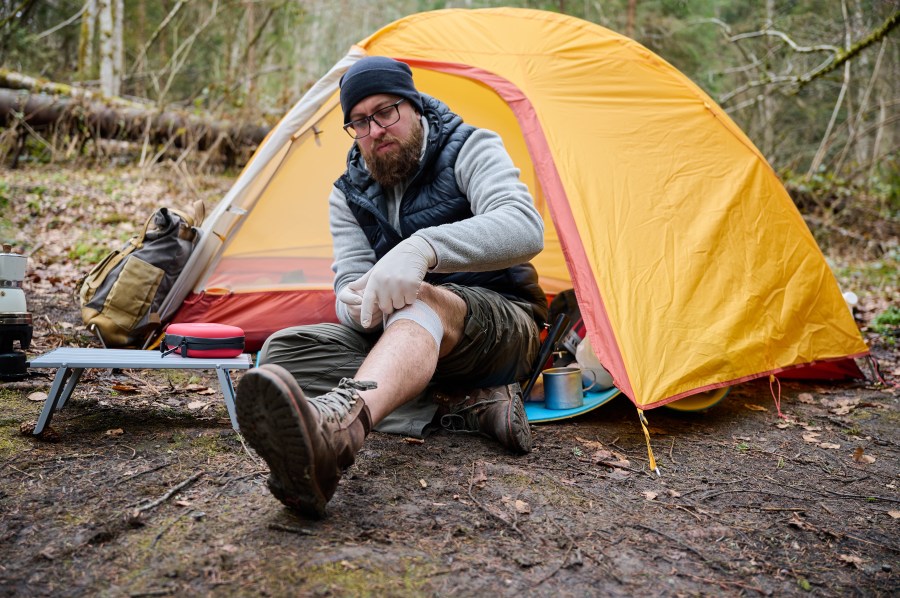
Main image: Sprain, strain or fracture? On the trail, it can be hard to tell | Credit: Dr D / Shutterstock
You’ll find a selection of these stories below, along with expert commentary from Cory Jones of the First Aid Training Co-operative. As they show, not every health challenge will spell the end to a multi-day adventure. But being aware of the problems you can face – and having some basic first aid knowledge under your belt – will help you make that crucial call.
Hiking horror stories – and how to avoid them
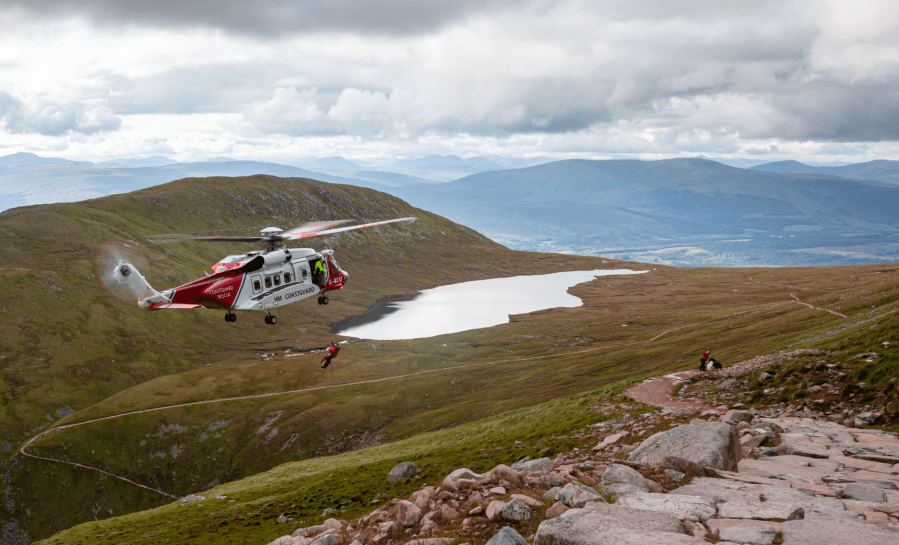
BREAKS, CUTS & STRAINS
Hiking health horror story 1: I was hiking the Juan de Fuca Marine Trail on Vancouver Island with my husband – it was his first multi-day hike. My husband somehow stumbled off trail and into some shrubs that somebody had crudely trimmed with a machete. The sharp end of a branch sliced through a vein on the back of his hand. The blood was literally spouting out of that wound. I cleaned it with some water, but I knew I had to stop the bleeding. Luckily, I remembered how to put on a pressure bandage, and it worked. However, it was obviously hurting, needed stitches and we also didn’t feel comfortable hiking on and sleeping in the tent with a wound like that and bears around!
I was so glad that it was just a hand and nothing more serious. Since then, I carry a bigger first aid kit and I also took a course especially for outdoor first aid. Unfortunately, though, my husband never went on a hike with me again, so I always have to go by myself (or sometimes with my dad on easier trails)!
Karin Drewnitzki
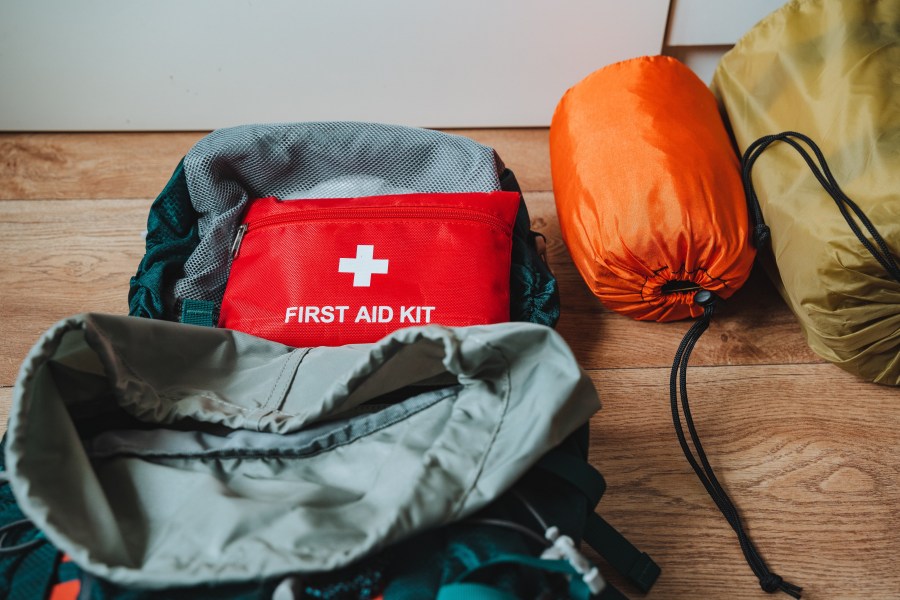
Hiking health horror story 2: I dislocated a shoulder when I stumbled in a river whilst trekking in Nepal. Some 16 hours later, after swallowing every painkiller I could get hold of, the ligaments were stretched enough that I could manipulate it in back in myself.
Ash Bolton
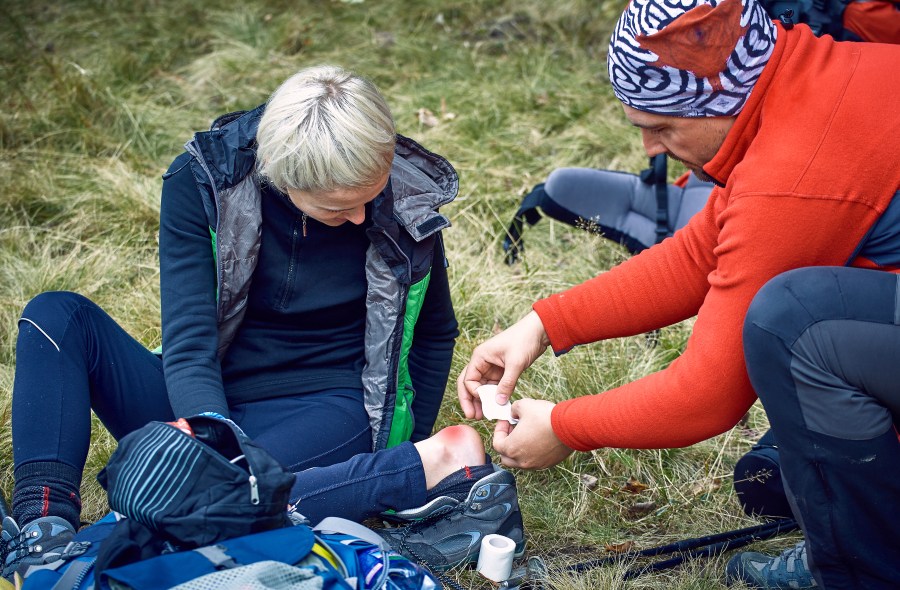
CORY SAYS…
Is that injury a sprain, strain, dislocation or fracture? In the field, it is often difficult for non-experts to decide on a clear diagnosis. If the injury is too painful to walk on, it would be sensible to end your activity. Continuing to walk on an injured ankle may make the problem worse and lead to a long-term issue. Better to be pragmatic, end your activity early and not cause a long-term injury. Carrying some Vet Wrap to bind and support the injury would be useful. (Note – Vet Wrap goes by other names, including ‘cohesive bandage’).
For cuts, any water you have cleaned for drinking is good to use for wound hygiene. If you use a water bottle with a sports top or pressure top then that will create a little bit of pressure to help flush the wound of dirt.
For severe wounds, use a pressure bandage to stop the blood flow. You can improvise these with pretty much anything which is absorbent – t-shirt, glove, buff, or a real bandage if you have one. Elevating the limb would also slow the blood flow. Another thing to consider for your first aid kit would be ‘steri-strips’ which are thin adhesive strips used to hold the edges of a cut or wound together while it heals. These can be improvised by finely cutting tape into thin strips.
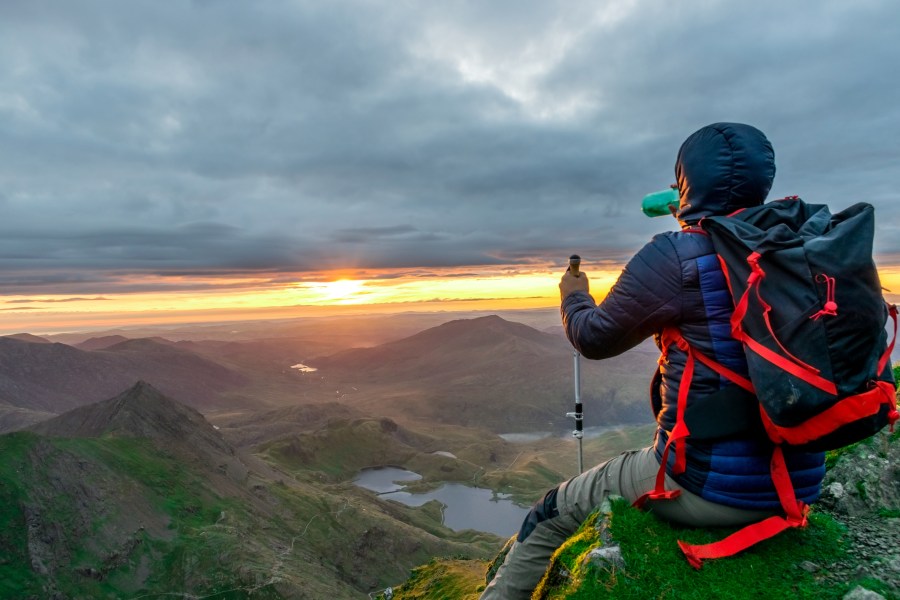
BITES & RASHES
Hiking health horror story 3: On the Cape Wrath Trail in 2023, I managed to get cellulitis at the front of my leg about six days in – probably from an insect bite or fording all the rivers. My leg felt weird in the evening as I walked into Maol-bhuidhe. The next day, if I put weight on it then I got stabbing pains. I walked out to Strathcarron on my planned route, but very slowly. The next day I tried to continue a bit, but the pain was too much so I got a lift to Achnashellach and caught the train into Inverness, where I went to minor injuries. I thought I’d got a stress fracture, but the doctor had a look and said it was cellulitis. He gave me some antibiotics and sent me on my way. I spent three nights in the cheapest hotel I could find, which was in Dingwall. Then I got the train back to Acnashellach and continued, taking it easy for a good while and reducing my distance. But I still managed to make it to Cape Wrath about 10 days later!
Tom Yudin
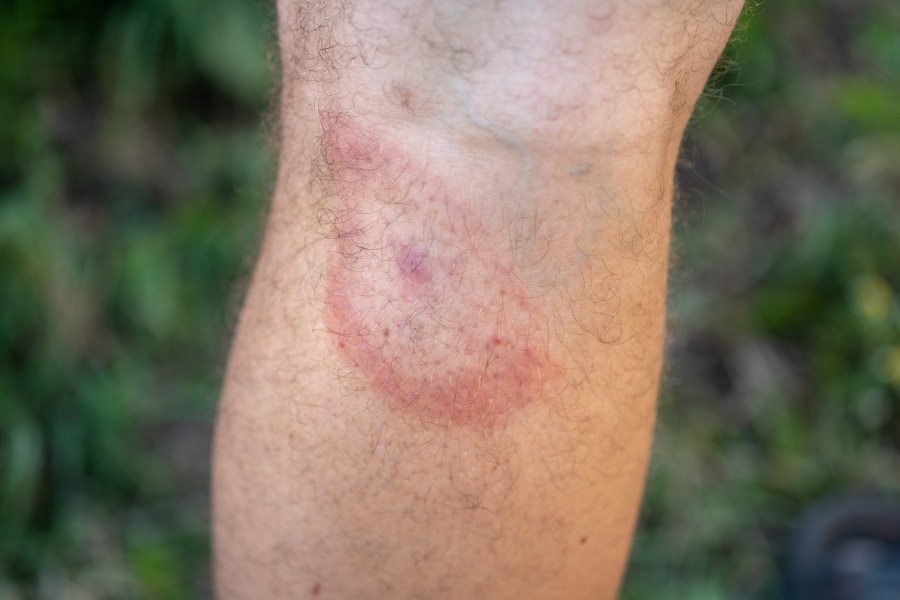
Hiking health horror story 4: I got caught very ill in Shap with horrendous stomach issues whilst wild camping the Coast to Coast. A farmer passing me sat outside a coffee shop gave me a lift to his brother’s pub at the other end of the village, and I stayed there for four days. I did have a bull’s eye at the top of my bottom, but I’ve no idea if it was a tick bite.
It was day four before I felt well enough to stumble to the Co-op at the other end of the village. A friend came and collected me and drove me home – my GP was happy to treat me for Lymes as soon as I got back as a preventative measure. Eight weeks later, I returned with an ultralight set up and completed the trail in six days.
Keith Driver
CORY SAYS…
Red itchy skin on a long walk? Cellulitis is a bacterial infection of the deeper layers of the skin and the tissues underneath. It can be treated with antibiotics. It is usually just in one leg. Vasculitis is much rarer, often affects both legs, and is inflammation caused by exercise causing an itchy or burning sensation. In both cases, leaving the trail for treatment is recommended.
A bulls-eye rash is commonly associated with a tick bite, although having a bulls-eye rash doesn’t necessarily mean you have Lyme disease. It would be worth going to the doctor to check with them. Lyme disease is a bacterial infection carried by ticks that can cause long-term problems if not diagnosed and treated early. If in the weeks following a tick bite you start to feel tired, achy, lethargic, or develop sore joints, go to the doctor to check if you have Lyme disease. Of course, you can prevent tick bites by regularly doing tick checks when you’ve walked through long vegetation, wearing long trousers and using insect repellent.
TUMMY TROUBLES
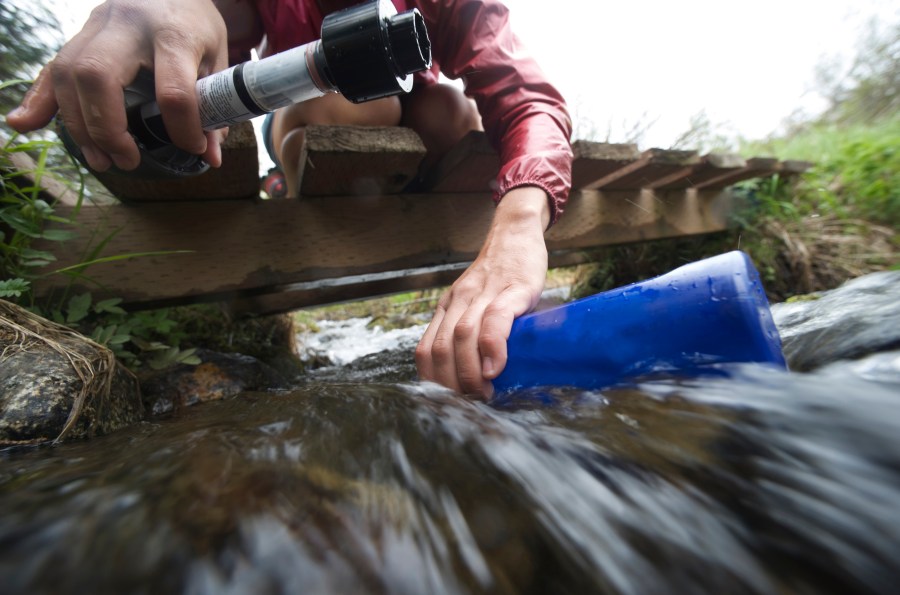
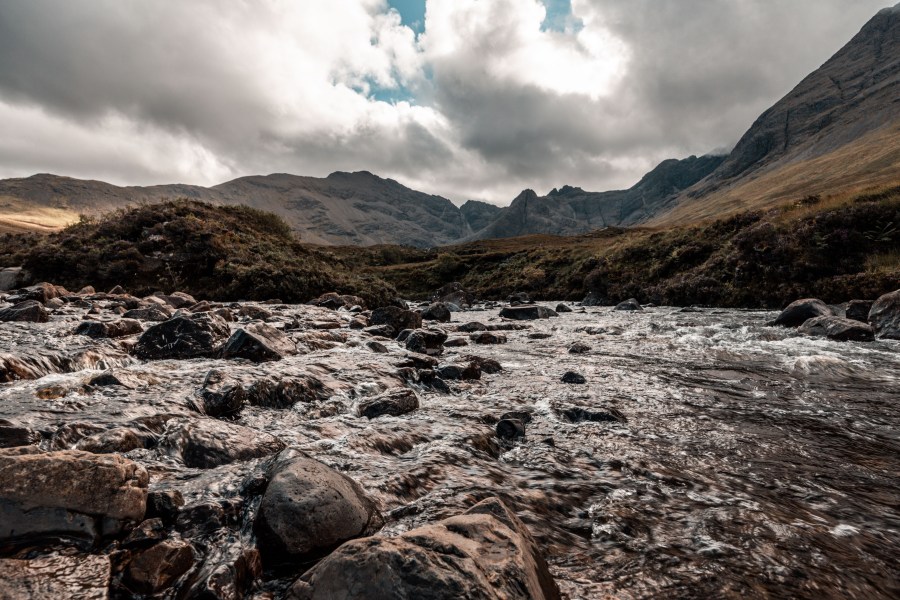
Hiking health horror story 5: I drank water from a stream while doing the West Highland Way without boiling it. That was the first – and hopefully the last – time I poo and vomit at the same time while trying to escape from my sleeping bag!
James Williamson
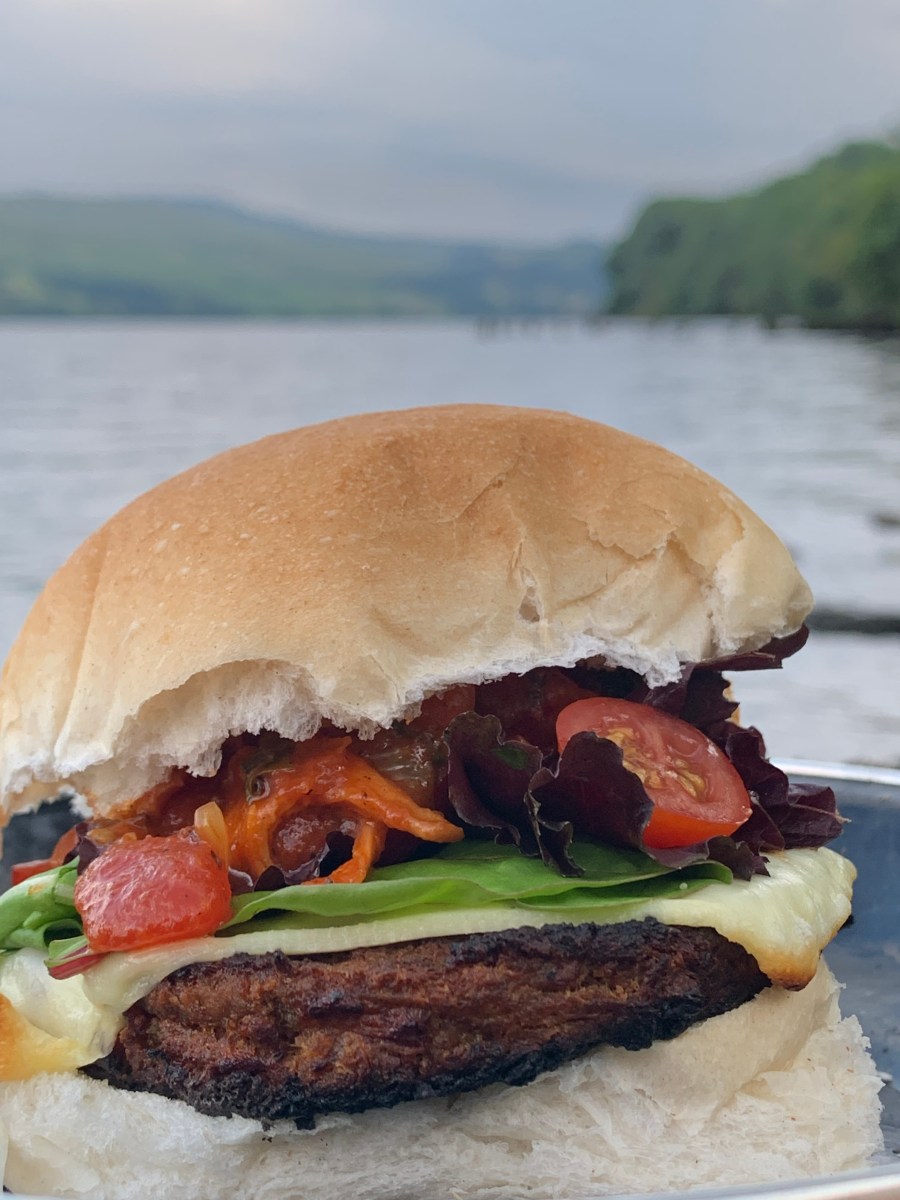
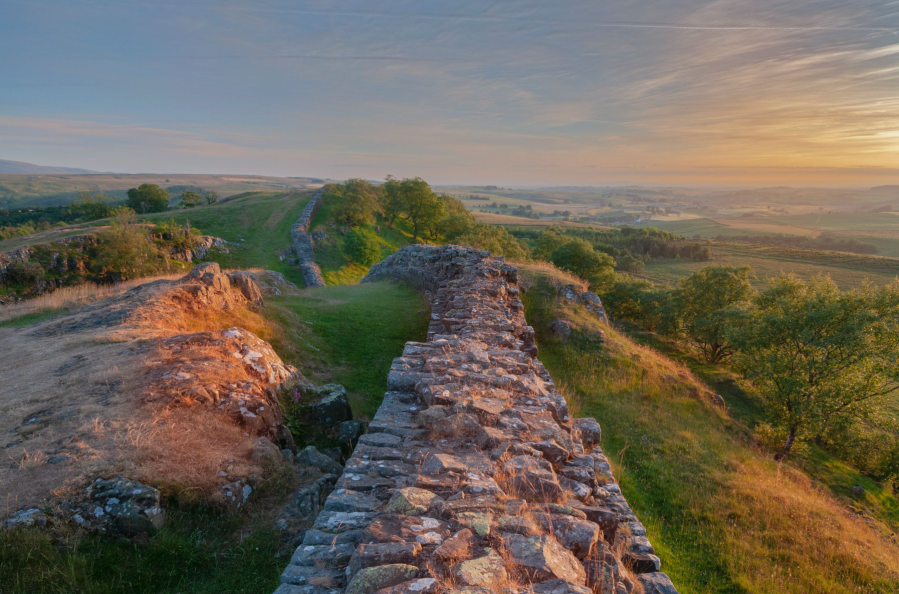
Hiking health horror story 6: Walking Hadrian’s Wall, I decided on the last night that instead of having dehydrated trail food I’d treat myself to a pizza from a kebab shop. The next day while walking, I suddenly got a rumble in my tummy and thought: I gotta go!! I jumped over a gate into a field full of cows and was umming and ahhhing about whether the cows were gonna be bothered by me or not… but I couldn’t hold it anymore, and went for it! Thankfully they didn’t flinch – but as I was going, I did have visions of being chased with my pants round my ankles!
I don’t think it was food poisoning, more a really fatty meal that my body wasn’t used to.
Anonymous
Hiking health horror story 7: I got norovirus on the Cape Wrath Trail in 2024 and had to abort at Kinloch Hourn. A few weeks later, quite a few participants in the Cape Wrath Ultra also got it around the same bothy.
Michael Harrison
CORY SAYS…
If you don’t trust a water source then filter and clean the water before cooking and drinking. Wash hands after toileting and before food preparation, cooking and eating.
HEAT & HYDRATION
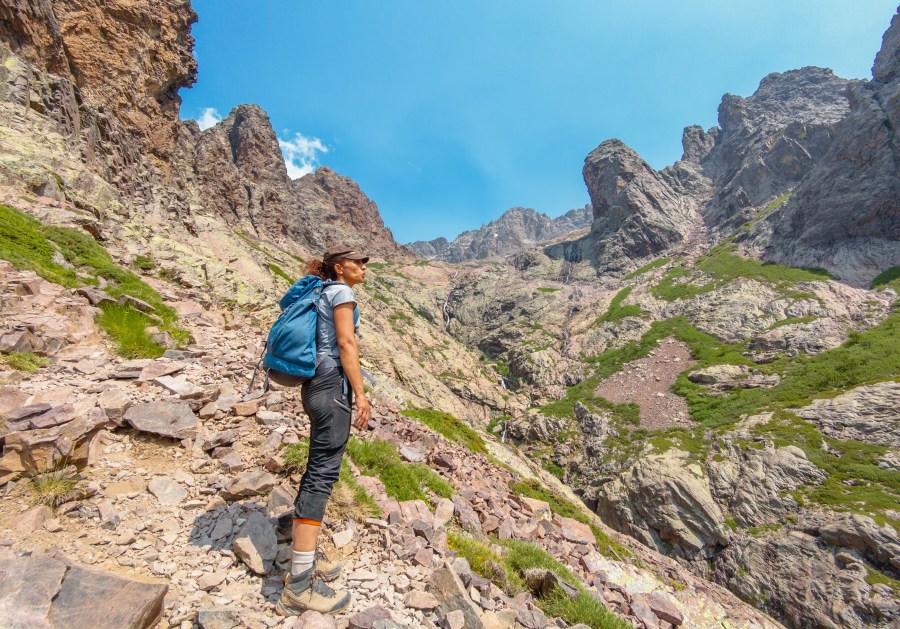
Hiking health horror story 8: I contracted hyperthermia in Spain. I was hiking as part of organised group in 38°c heat. I had three litres of water but drank it all in two hours. I got confused and wanted to sleep – there was a proper discussion about drinking urine! Five of us were suffering. There was no phone signal. All of us got out of the ravine late that evening once temperatures fell, but two or three were ill for next two days. I learnt a lesson about not ever letting someone else take me anywhere without me researching the route / terrain and relating it to the weather first!
Emma Burgh
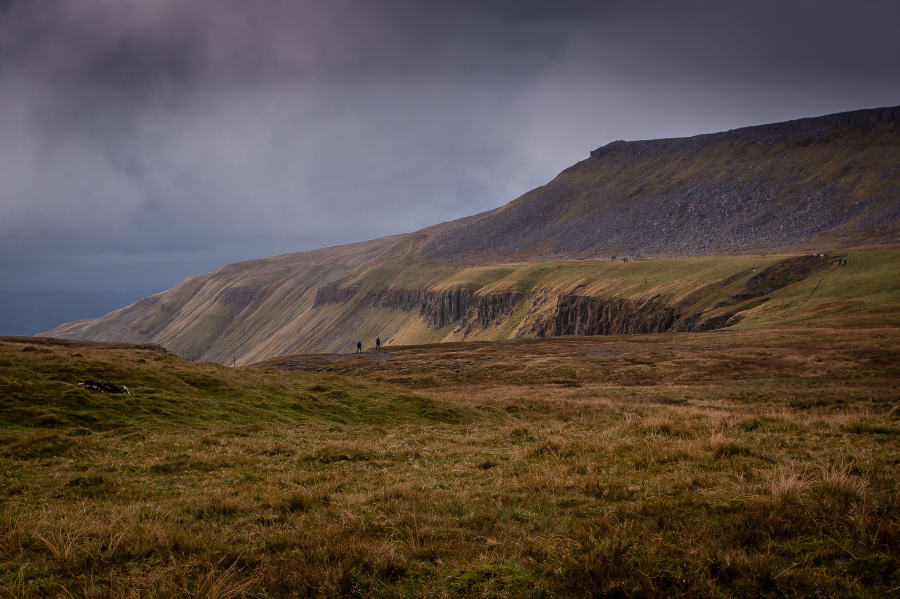
Hiking health horror story 9: I caught what I thought was a chill the first day of walking the Pennine Way. I couldn’t get warm and walked on for two more days struggling to eat, even though I was hungry. I wasn’t sick – I just couldn’t force it down. I made it to Hebden Bridge and called it a day. I later realised I was probably suffering from dehydration and electrolyte imbalance. It took me about a week to get over it fully. It was a warm day but windy, so I’d kept my waterproof on – that was probably a mistake in hindsight and led to extra sweating, which made the problem worse. Lesson learnt and I’ve not had anything like it since. Hydrate, hydrate, hydrate!
Amanda Phillips
CORY SAYS…
Prevention is better than cure. Staying hydrated in the outdoors when exercising is sometimes challenging, but it is vital to maintain good body health. If you don’t need to pee regularly then you are dehydrated. Drinks are best little and often and if you only have water then use oral rehydration powder to help your body absorb the water more easily. This will also help to prevent cramps. Your urine should be clear, colourless and copious – if it’s not then drink more. The human body isn’t tolerant of being heated up. Even on cool days you can suffer from heat exhaustion if you don’t keep your bodies fluid levels topped up.
- The First Aid Training Co-operative runs a range of outdoors first aid courses. Find out more at firstaidtrainingcooperative.co.uk/outdoor