
The 2026 Everest season got off to an uncertain start. Three weeks after the route-setting ‘icefall doctors’ reached Base Camp, onward access to Camp 1 was still blocked by a vast, unstable chunk of glacial ice. It wasn’t until the end of April that the team managed to open a passage through the Khumbu Icefall and acclimatisation rotations could finally begin.
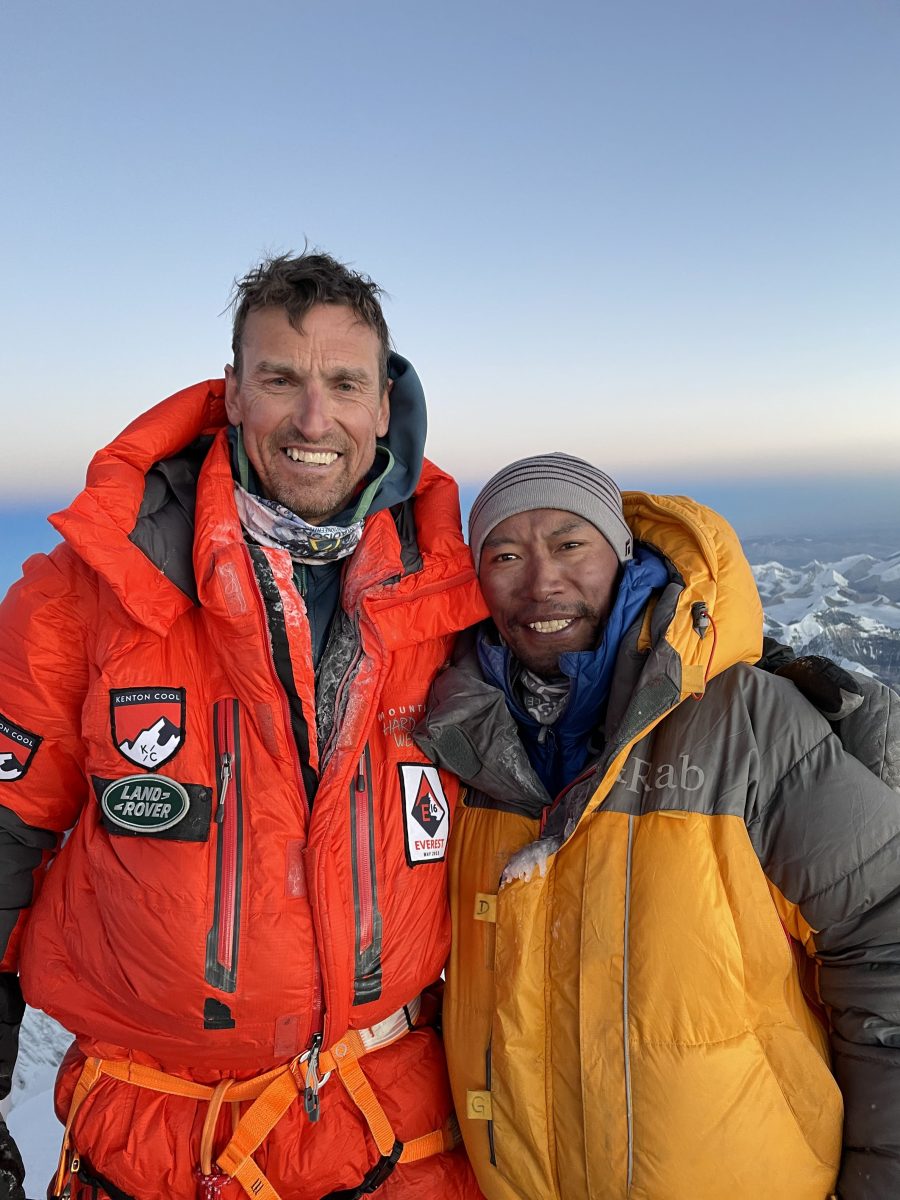
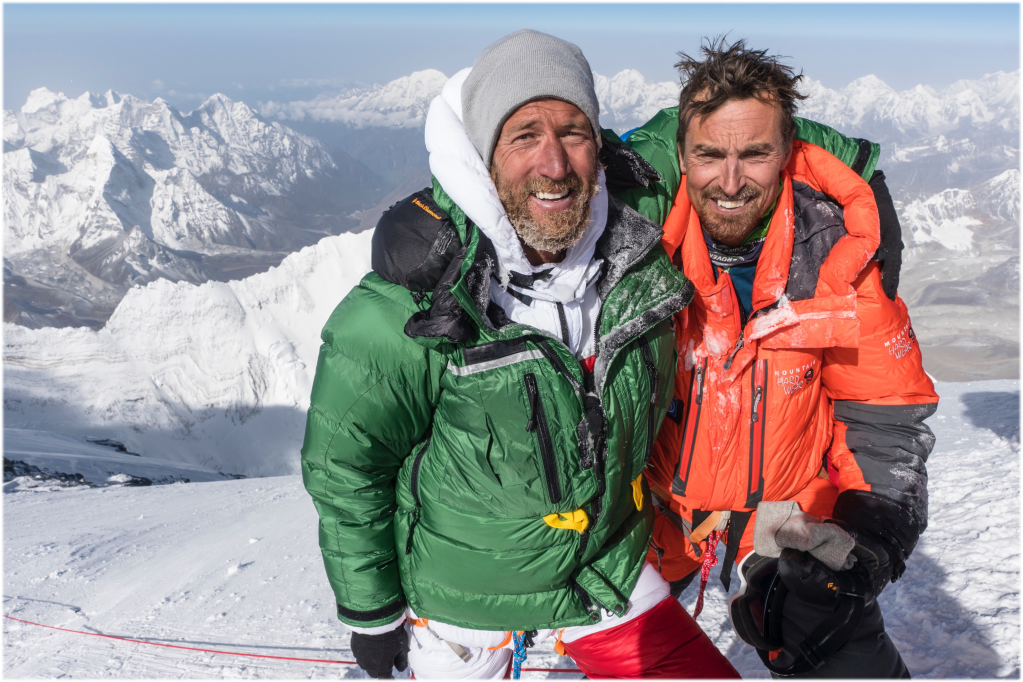
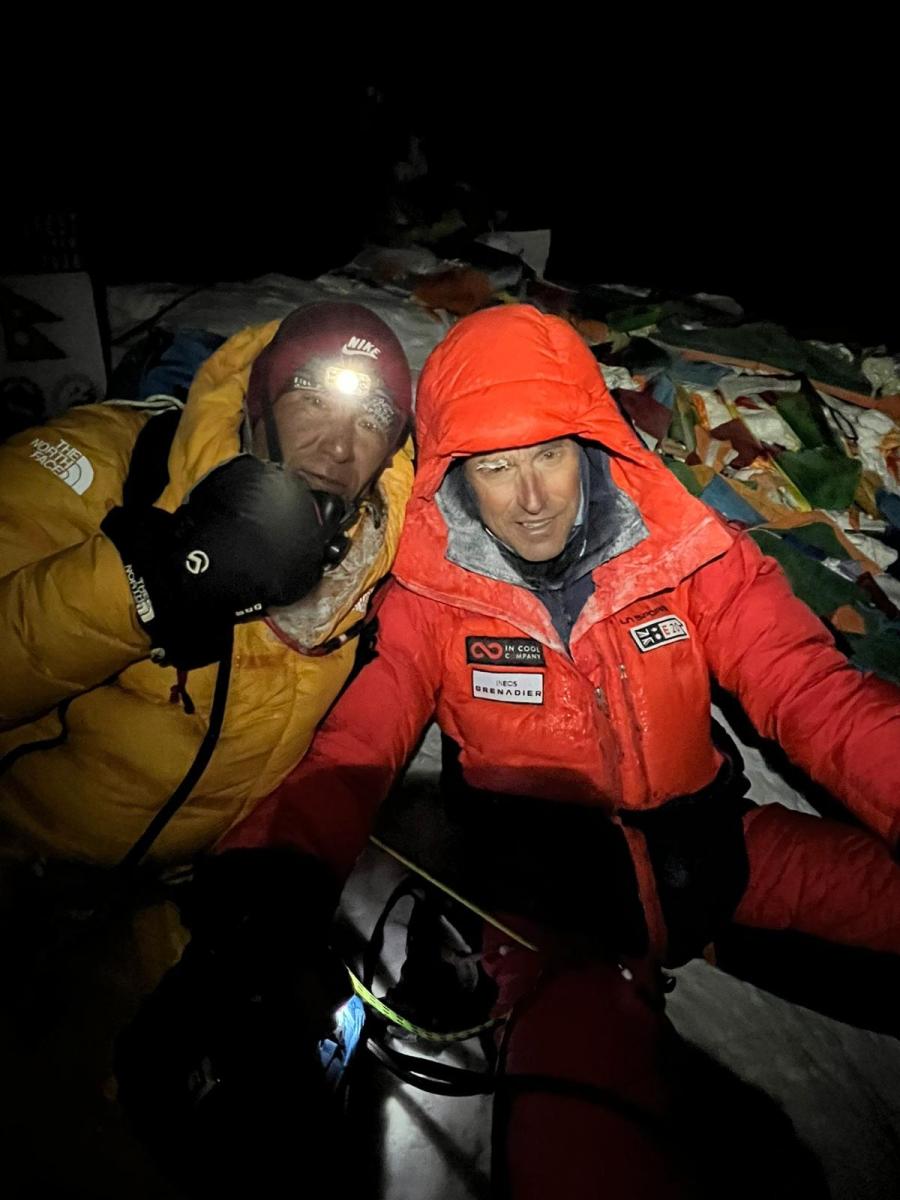
Main image: Kenton Cool and Dorjee Gyelzen Sherpa | Credit: Kenton Cool
Among the climbers waiting to ascend the world’s highest peak this spring were Kenton Cool and his long-term friend and Sherpa partner Dorjee Gyelzen Sherpa. With over 40 ascents under their collective belts, the pair are accustomed to the capriciousness of Chomolungma. “I will never fully understand Everest,” Kenton told us, as he waited at Base Camp, preparing to summit the mountain for the twentieth time (it would be Dorjee Gyelzen’s 25th time on the top). “Every season the mountain shifts and she throws new challenges at us, but I thrive in adapting to her moods and assessing the risks. With experience comes a sense that you can move more thoughtfully through a dangerous environment and help others do the same.”
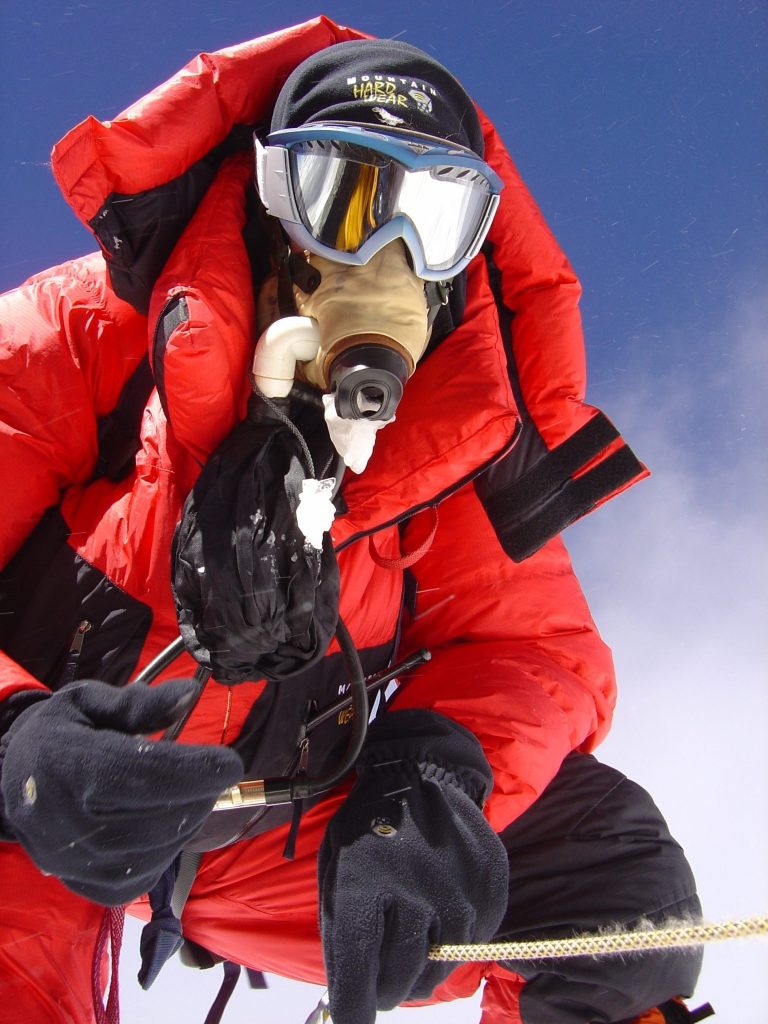
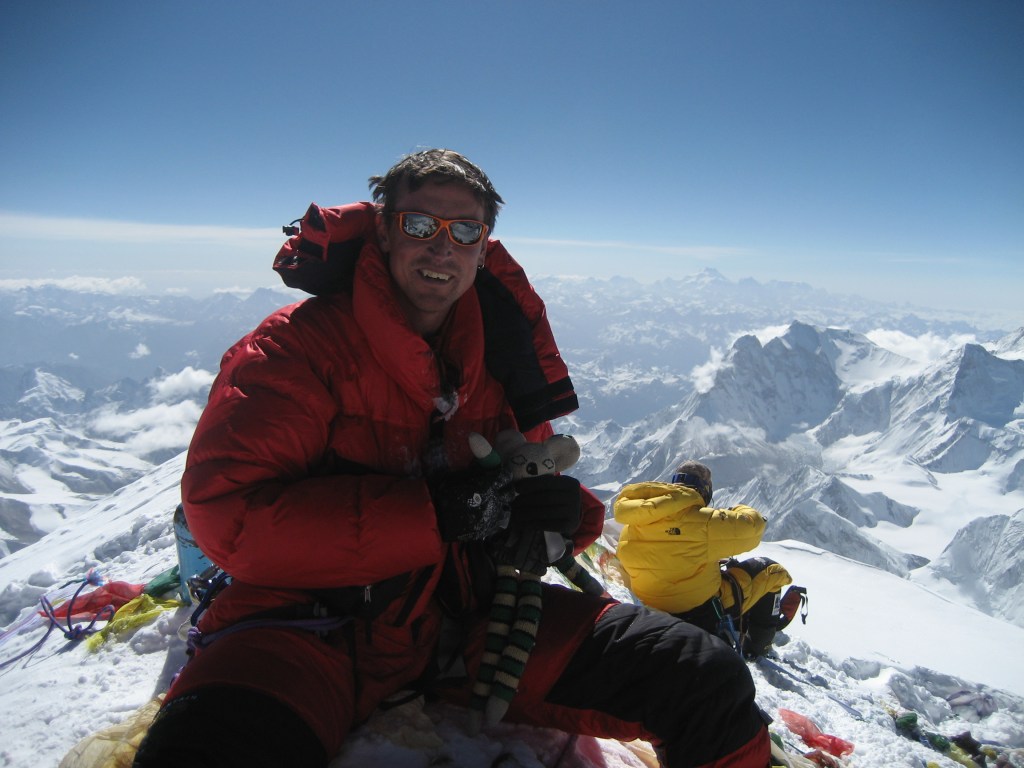
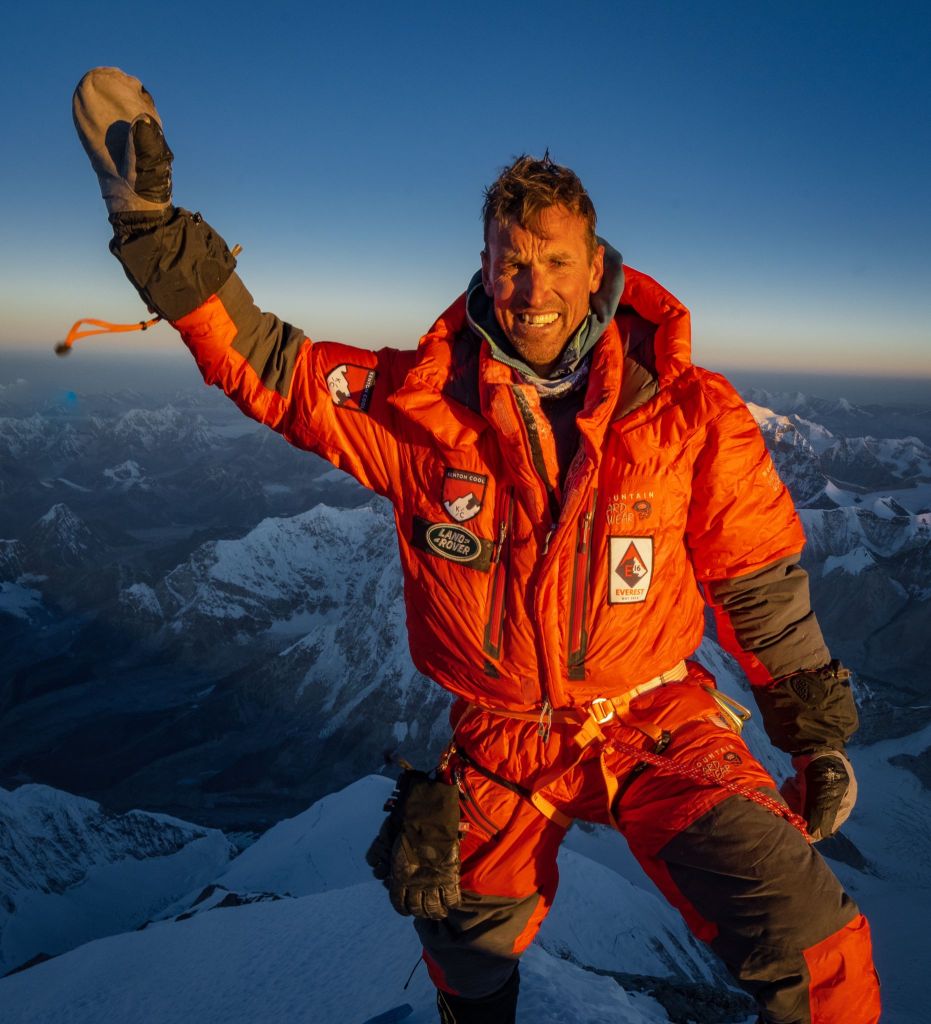
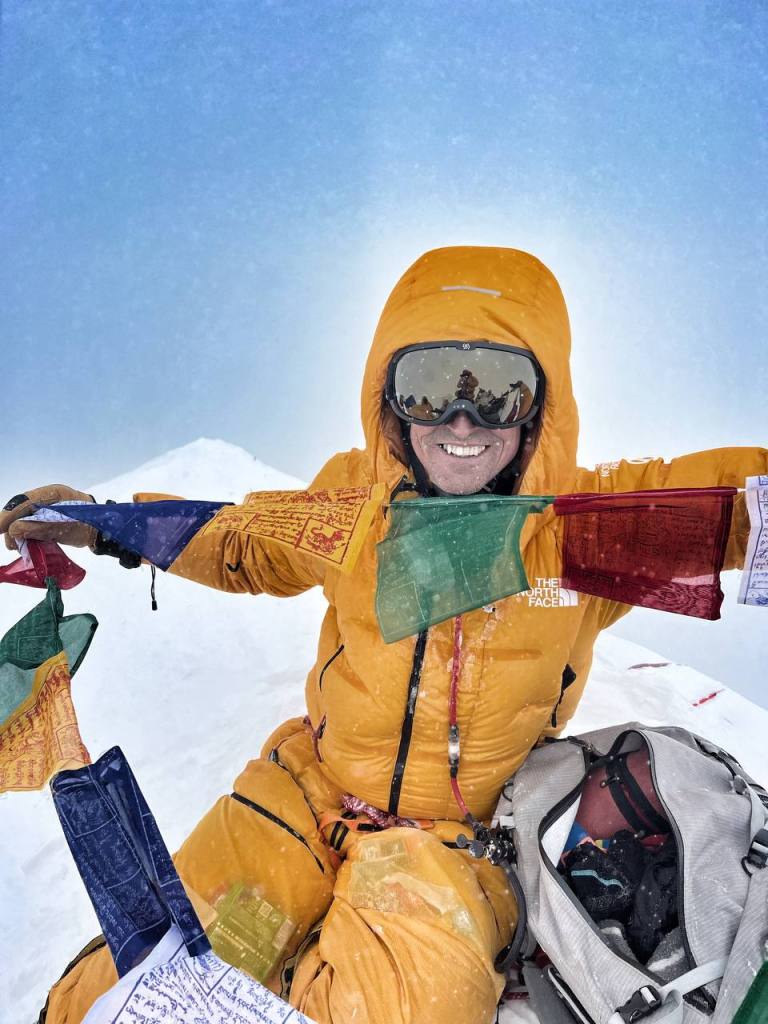
No other non-Nepali has climbed Everest as many times as Kenton. He first summited the peak in 2004, just eight years after a climbing accident that doctors said would leave him permanently unable to walk. Since then, he’s returned for almost every season – drawn not just by his guiding work and a self-acknowledged competitive streak, but by “a deep respect for the mountain and a sense of belonging amongst the Nepalese people.”
He says that some things about climbing Everest never change, however many times you make the ascent. “Reaching the summit is always euphoric. For a fleeting moment, I am the highest person on Earth and I’m able to celebrate with the people around me. I’ve been on the summit in all conditions – in the dark, in freezing cold winds, in temperatures so cold that all our equipment froze, and under pure blue skies – but no matter the conditions, it’s always memorable.”
The euphoria of summit day might remain a constant; but over two decades of Everest expeditions, Kenton has witnessed some seismic cultural and environmental changes. The climate crisis in particular is starkly visible on the roof of the world. “Glaciers are smaller, thinner and more broken, particularly in the Khumbu Icefall,” he says. “Rivers form under the glacier regularly now, yet that never used to be the case even 10 years ago. There is more exposed rock higher up the mountain where there used to be thick snow and ice. Weather windows can be shorter but sometimes more intense – stronger winds, sharper storms, and less reliable patterns (although more high-tech forecasting helps mitigate this risk).”
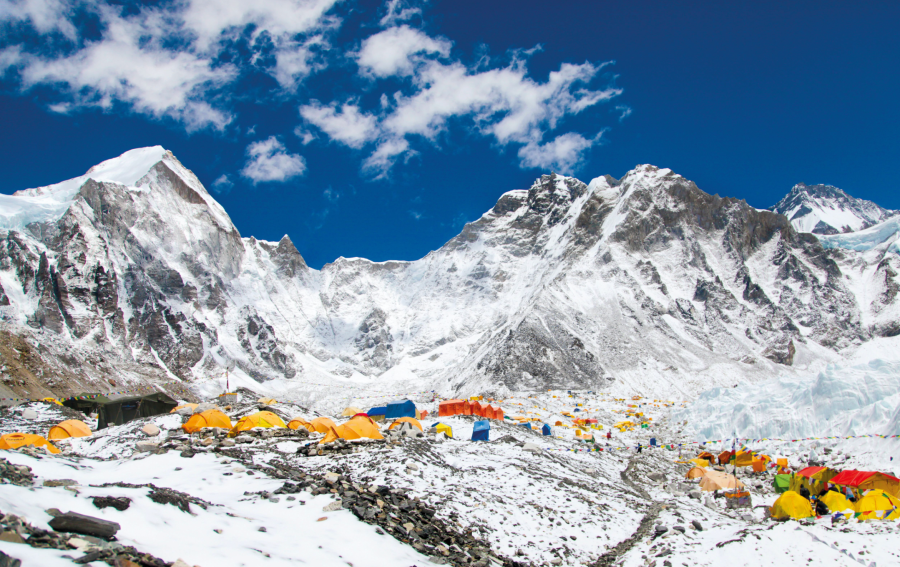
The increasing numbers quite literally queuing up to climb the world’s highest mountain have also left their mark. Last year, more than 700 people – including guides – summited Everest from the Nepalese side. Permit prices have recently been hiked to combat over-tourism, but clear weather windows still cue a snail’s trail of climbers making their way towards the summit. At least 274 people topped out on 20th May this year from Nepal – a record for a single day. And their presence takes its toll.
“What Everest has shown me, simply through repeated exposure, is how quickly the presence of humans becomes visible, even in the most extreme places,” says Kenton. “Over the years I’ve seen glaciers reduce in size, familiar features become less stable, and routes feel more worn, not just from natural movement but from sheer foot traffic. None of these changes stand out in a single season, but they accumulate in ways that are obvious if you’ve been returning long enough.”
He sees the mountain as a bellwether for some of the environmental challenges facing humanity. “When I started my mountaineering career, waste was dismissed as an unfortunate by-product. Now it’s impossible to ignore. There has been genuine progress over the last few years – clean-up expeditions, strict deposit systems, better waste management – but foot traffic continues to increase dramatically. Even with best intentions, sheer numbers leave a mark: trampled camps, discarded gear, human waste. I was reflecting recently and realised that Everest closely mirrors the broader environmental challenge: improvement in awareness, but escalation in scale.”
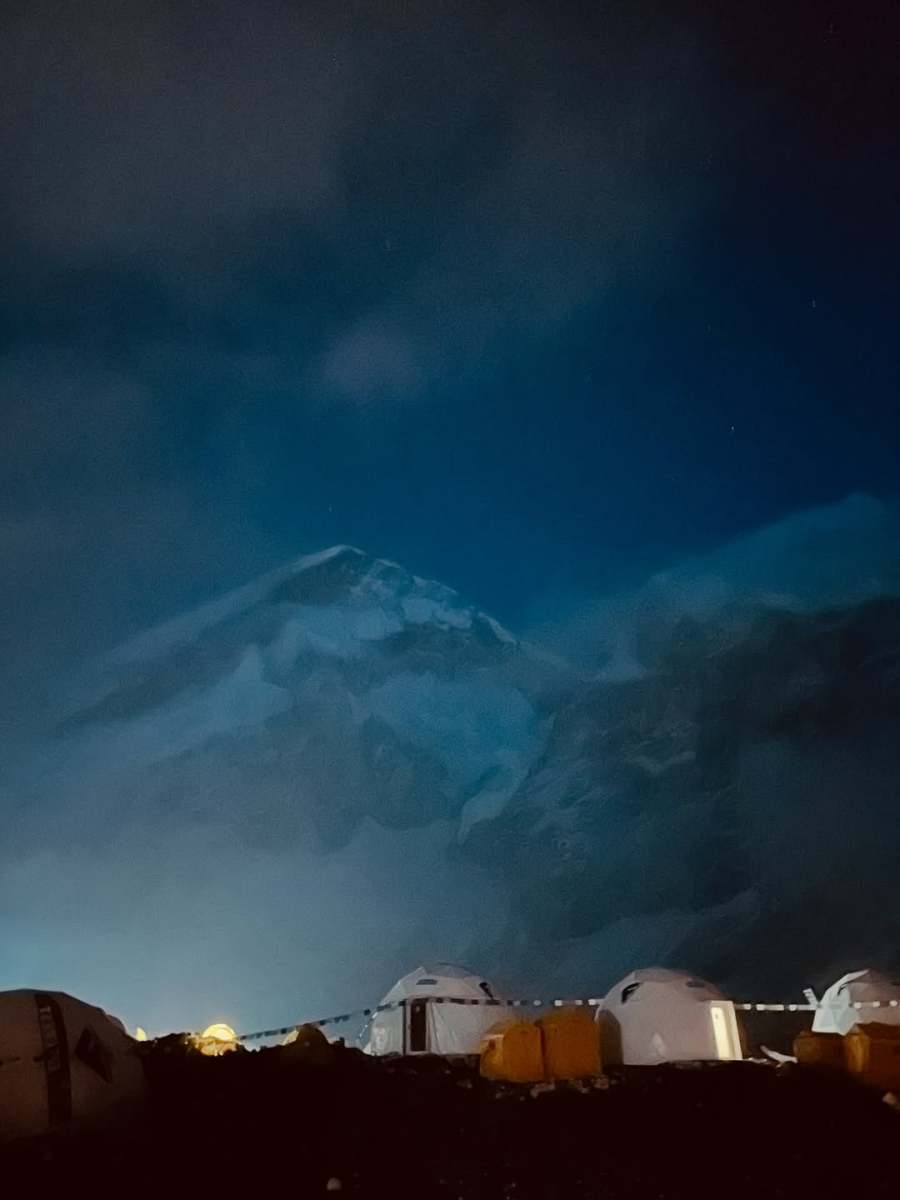
Not all change has been negative. A new study found that, on average, climbing Everest is becoming safer. It suggested that improvements in weather forecasting, communication systems, logistics and oxygen delivery systems were instrumental in decreasing the mortality rate in those venturing above Base Camp from 1.4% to 0.7% between 2007 and 2024. But that still means that 7 out of every 1,000 people who attempt to reach those heights won’t come down.
On 21st May, the team at The Great Outdoors watched live online as Kenton and Dorjee Gyelzen Sherpa began their final summit push. Kenton’s avatar, a static selfie on the 3D map, slowly made its way out of Camp 4 and up towards the Hilary Step. It’s hard to imagine how the families and friends of Kenton, Dorjee Gyelzen and their client must have felt watching that circular icon ascend to the top of Everest – and, almost more importantly, begin to edge back down. Because, as Kenton has learned over the years, the summit is most definitely not the end goal when it comes to Everest.
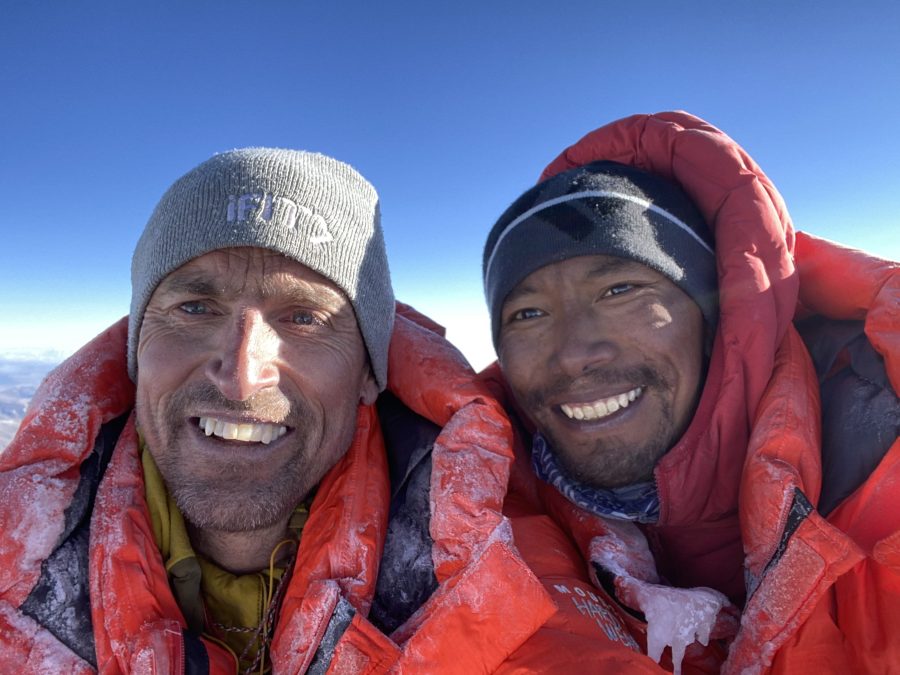
“Standing on the summit for the twentieth time is incredibly special,” he said during the descent. “But what’s changed most as I’ve got older is perspective. I feel more relief than elation, and my thoughts turn to the crux of the expedition: getting back down safely. Because as I often say, the goal is getting home.”
Guiding light
Dorjee Gyelzen Sherpa, who achieved his 25th Everest summit this season, has been climbing with Kenton since 2007. Sherpa guides like Dorjee Gyelzen – who Kenton describes as “a man full of empathy and compassion” – are integral to most expeditions on the mountain. They also hold the majority of ‘all time’ records. A few days before Kenton Cool summited the peak for the 20th time, Kami Rita Sherpa bettered his own record for the most ascents of Everest. The 56 year old reached the top for the 32nd time on May 17th – the same day that Lhakpa Sherpa, who holds the record for most ascents by a female climber, stood on the summit for the 11th time.
Timeline of an Everest ascent and summit push
Behind every successful Everest attempt are weeks of planning, preparation and acclimatisation. Here’s how Kenton’s 20th summit push panned out.
20 April: Kenton leaves for Nepal
23 April: Begin Base Camp trek
29 April: Arrive at Base Camp
3 May: Start acclimatisation with a short trip into the Icefall
6 May: Climb halfway through Icefall
9 May: Climb through Icefall to Camp 1
10 May: Team moves from Camp 1 to Camp 2
11 May: Team moves from Camp 2 and climbs partway to Camp 3 for acclimatisation
12 May: Team returns to Base Camp
13 May: Nepali Sherpa climbers successfully fix safety ropes to summit of Mount Everest
15 May: Kenton returns to Kathmandu with his client, who has to retire due to ill health
17 May: Kenton is back at Base Camp
18 May: Set off for Camp 2
19 May: Stay at Camp 2 for rest, food and sleep before continuing to Camp 3
20 May: Continue to Camp 4
21 May: Summit push, leaving Camp 4 at 9pm and summiting at 3.30am local time before returning to Camp 4 and ultimately descending to Camp 2, arriving around 4.30pm
22 May: Continue down back to Base Camp
23 May: Leave Basecamp for Kathmandu
Memories of Everest ascents past
Kenton shares the highlights (and lowlights) of his two-decade lover affair with the world’s highest peak.
The highs:
- Watching the sun rise over the Tibetan Plateau from high on the Southeast Ridge – quiet, vast, humbling.
- Summiting multiple times with my number 1 Sherpa and friend, Dorjee Gyelzen, by my side.
- Evenings at Base Camp playing cards and chatting to everyone around me.
The lows:
- Turning someone around just short of the summit, knowing it’s the right call but feeling the weight of disappointment.
- Passing memorials and remembering how thin the margin always is.