
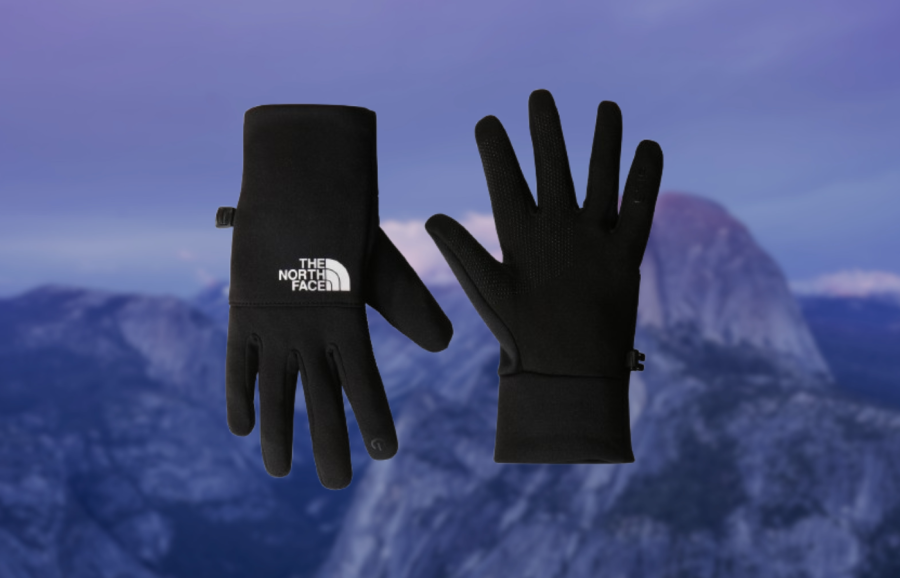
James Roddie has been testing a pair of The North Face Etip Gloves. Here’s his verdict on the touchscreen compatible pairing.
The high content of recycled materials in the The North Face Etip gloves is a stand-out feature in the specifications. The North Face claim that 93% of the polyester is recycled. This will certainly appeal to many, although of course the overall sustainability credentials of a product extends far beyond the materials themselves.
James Roddie’s verdict
These gloves have some fine qualities and are made from 93% recylced materials.- high recycled material content
- pairing clip
- fit
- durability
| Quick specs |
|---|
| Price: $50 | £40 (available from Cotswold Outdoor) Weight: 55g (Size M pair) Materials: 93% Recycled Polyester, 7% Elastane Double-Knit Fleece Sizes: XS-XL Women’s version: Yes thenorthface.co.uk |
I found the fit to be slightly on the small side overall, with some caveats. The finger length seems perfect (for my hands), but the overall feeling is a little tight. The cuff has very little stretch, and initially it feels quite tight to pull on, particularly if you have wet or sweaty hands. Once the gloves are on however, then I found there was enough of a gap around the cuffs to noticeably let the cold in. I would have preferred a more elasticated cuff.
Overall I found these to be the least warm gloves in the test. The North Face use R® Powered fleece, which allows touchscreen compatibility on all fingers of the glove. It seems to work very effectively even when the gloves are soaked through. There is a silicone printed grip but it is substantially less grippy than many others I have used. It only extends over the thumb and first two fingers and does not provide much grip on (for example) the shaft of a walking pole. I also found that it showed very early signs of wearing off.
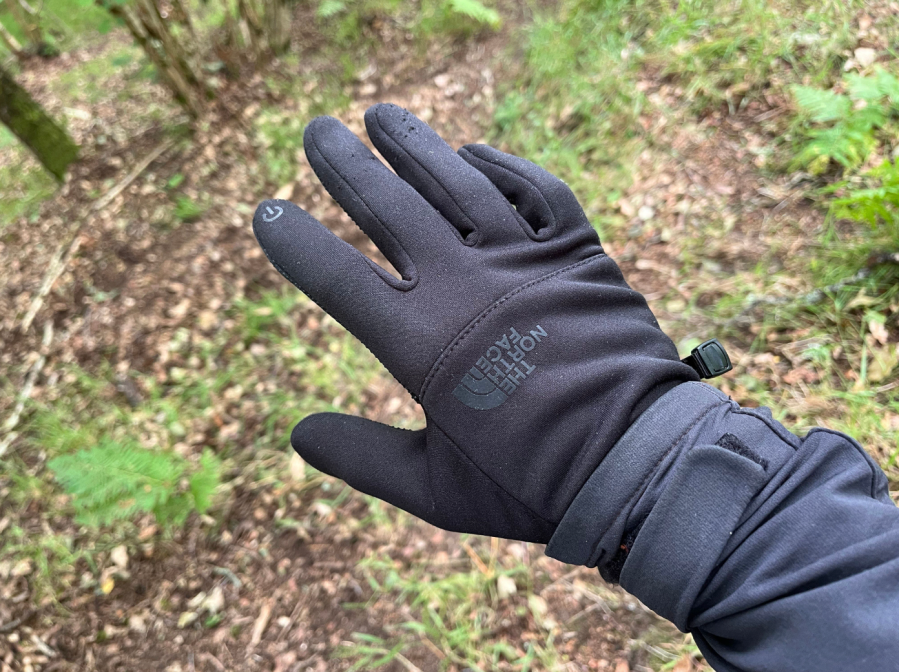
I had another durability concern with the stitching around the cuff rim starting to come undone with only very little use. Other features of note are a pairing clip and small internal hanging loops. It is very easy to lose thin gloves such as these, so these are welcome features. These gloves have some fine qualities, but I have some reservations about the fit and durability.
How we tested
James tested these gloves in a variety of conditions during winter, spring and early summer in the Scottish Highlands. Weather included high winds, heavy rain showers, and bright and breezy days. James usually wears size medium gloves and his hands run slightly cold. Weights were measured on James’s own scales.
This review was first published in the November 2025 issue of The Great Outdoors magazine. Compare this with other models in our guide to the best hiking gloves.